



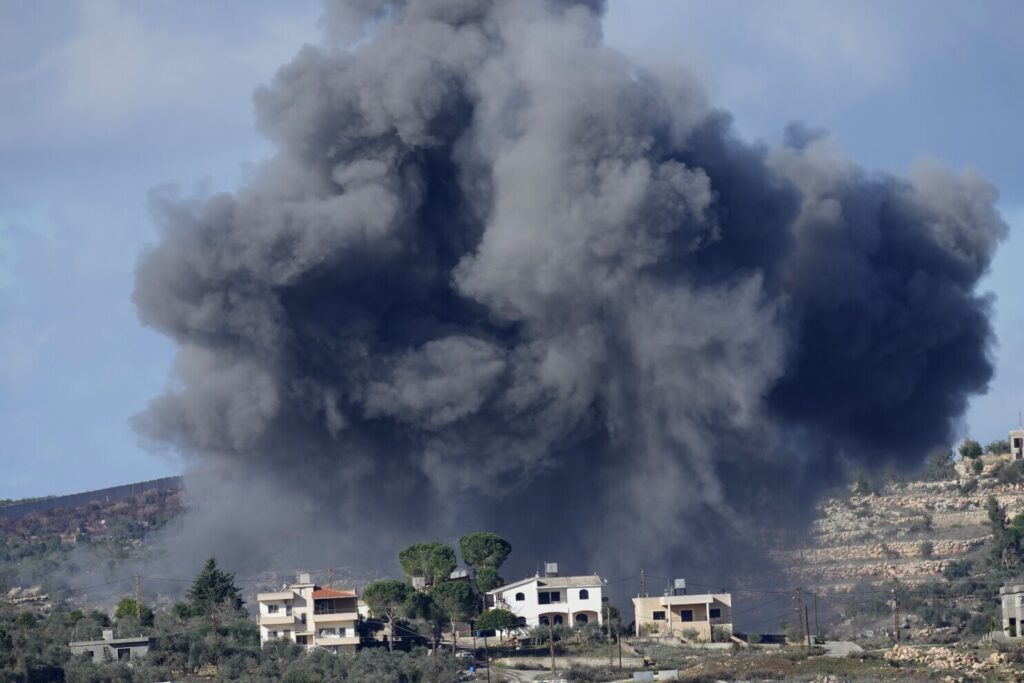
Nigeria has faced years of extremist violence from Islamic State affiliates and Boko Haram, with attacks frequently hitting civilians and religious communities across northern regions. Militants exploit weak governance, poverty, and local grievances to maintain influence, displacing thousands and creating widespread insecurity. The ongoing attacks have drawn international attention, as local populations continue to suffer from trauma, disrupted livelihoods, and threats to religious freedom. Analysts emphasize that both Christians and Muslims face dangers, complicating simplified narratives about the conflict’s religious dimension. The persistent violence highlights the need for comprehensive security and development strategies to stabilize affected regions.
Also read: Dhanashree Verma Responds to Chahal’s Denial, Says She Caught Him Cheating Early On
U.S. Strikes Militants in Northwest Nigeria After Attacks on Christians
U.S. President Donald Trump announced that American forces carried out “numerous” airstrikes against Islamic State terrorists in northwest Nigeria. In a statement on his Truth Social platform, he claimed the strikes targeted militants who were attacking Christians. Trump said he ordered the strikes as Commander in Chief and warned the extremists beforehand to stop the violence. He described the operation as “deadly and precise,” praising U.S. military capabilities while linking the action to his broader stance against radical terrorism. He concluded with a holiday message, expressing blessings for the military and wishing citizens a Merry Christmas.
The U.S. government recently designated Nigeria as a “country of particular concern” under the International Religious Freedom Act. In November, Trump directed the Pentagon to plan potential military responses after reports of Christian persecution. The State Department also imposed visa restrictions on Nigerians connected to violent attacks against religious communities. Officials framed these actions as accountability measures while emphasizing that military intervention alone cannot resolve Nigeria’s security challenges. Experts stress the importance of combining diplomacy, governance reforms, and socioeconomic development to address the root causes of violence.
Also read: Sources: Mohsin Naqvi Presents Trophy to UAE Board as BCCI Considers Impeachment Action
Vows to Protect Religious Freedom Amid Ongoing Security Challenges
Nigeria’s President Bola Tinubu responded by reaffirming his commitment to protect religious freedom across the country. In a Christmas Day statement, he highlighted efforts to safeguard all citizens from violence, regardless of faith. Tinubu emphasized that security operations and national policies aim to stabilize affected areas while upholding the country’s unity. The government has repeatedly argued that extremist attacks target both Muslims and Christians, reflecting complex security dynamics rather than systematic persecution. Authorities continue to seek international cooperation while maintaining sovereignty over Nigeria’s internal affairs.
The recent events underscore Nigeria’s fragile security environment and the challenges of addressing extremist threats. International involvement may deter militants but also carries diplomatic and operational risks. Analysts recommend that military action must be paired with development, justice, and community support initiatives to ensure lasting peace. Religious and community leaders continue advocating for interfaith dialogue and protection of vulnerable populations. As the situation evolves, careful monitoring and coordinated responses remain critical for both Nigerian authorities and international partners.
Also read: Dhanashree Verma Responds to Chahal’s Denial, Says She Caught Him Cheating Early On



More Stories
कौन हैं मोजतबा ख़ामेनेई, जिन्हें अगल सुप्रीम लीडर माना जा रहा है
RSP Leads Nepal Election 2026
AIIMS जोधपुर से पढ़ाई, UPSC में टॉप कर बने मिसाल अनुज अग्निहोत्री