
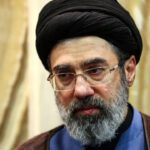




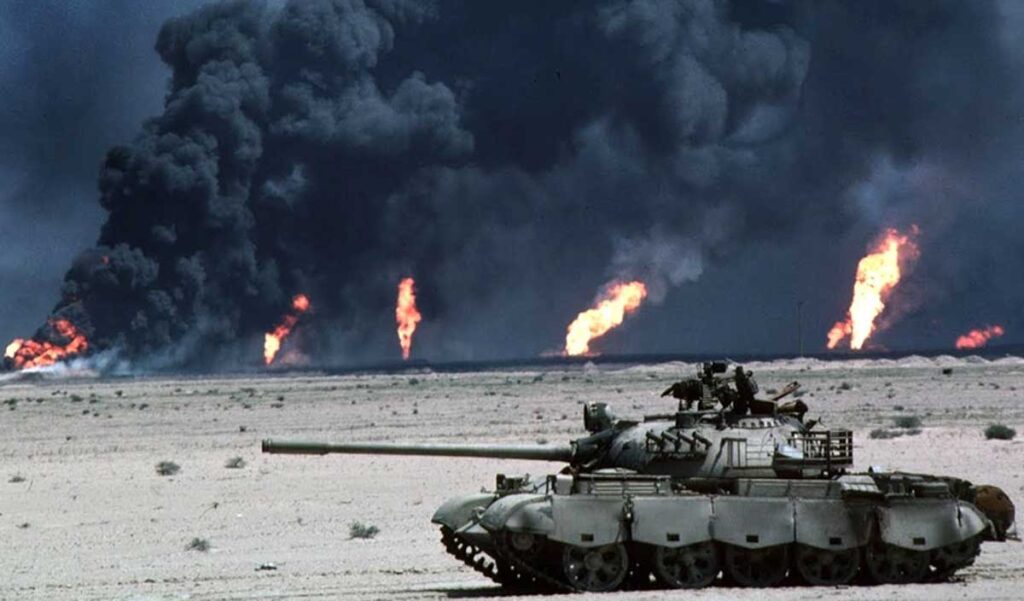
In Ali Khamenei’s latest remarks, signals of defiance emerged as he firmly rejected threats from the United States, while American naval deployments, including the USS Abraham Lincoln, moved within striking distance of Iran’s coast, highlighting a tense balance between deterrence displays and strategic messaging that raises regional anxiety.
Also Read: IIT Madras Pravartak Introduces Executive Course in Agentic AI
Strait of Hormuz Crisis and Diplomatic Signals
Meanwhile, indirect negotiations in Geneva, facilitated by Oman, attempt to ease the Strait of Hormuz Crisis, yet conflicting military warnings and political rhetoric complicate trust, making observers question whether diplomacy can realistically outpace escalation risks driven by mistrust and competing geopolitical goals. Pressure, Politics, and Global Stakes Analysts argue that uncertainty surrounding Donald Trump’s negotiation expectations intensifies instability because unclear demands often fuel strategic miscalculations, and even minor misunderstandings between rival powers could rapidly spiral into confrontation despite neither side openly seeking war.
Furthermore, Iran faces economic strain, domestic unrest, and diplomatic isolation, which collectively restrict its bargaining leverage, yet leaders still project strength publicly to maintain credibility, showing how internal vulnerabilities often shape external posturing during high-stakes international negotiations. Finally, experts warn that any disruption in the Strait of Hormuz would instantly affect oil flows, shipping routes, and global markets, meaning this confrontation no longer concerns only regional rivals but also carries worldwide economic and security consequences that demand careful diplomacy.
Gulf Tensions: Diplomacy or Conflict Ahea
Amid mounting tensions, Iran and the United States continue projecting strength through military positioning and sharp rhetoric, signaling resolve while simultaneously keeping diplomatic channels open through intermediaries. Statements from Ali Khamenei underscore Tehran’s refusal to yield under pressure, yet analysts note that such assertive messaging often serves strategic signaling rather than immediate escalation, especially when negotiations remain active behind the scenes.
However, the real global concern centers on the Strait of Hormuz, whose stability directly affects worldwide energy markets, shipping routes, and economic confidence. Observers warn that even a limited confrontation or miscalculation could disrupt supply chains and trigger international repercussions, making this standoff not merely a bilateral dispute but a high-stakes geopolitical test watched closely by governments, investors, and security experts worldwide.



More Stories
कौन हैं मोजतबा ख़ामेनेई, जिन्हें अगल सुप्रीम लीडर माना जा रहा है
RSP Leads Nepal Election 2026
Nitish Kumar’s Rajya Sabha Decision Triggers Unease In JD(U), Leaders Seek Review