


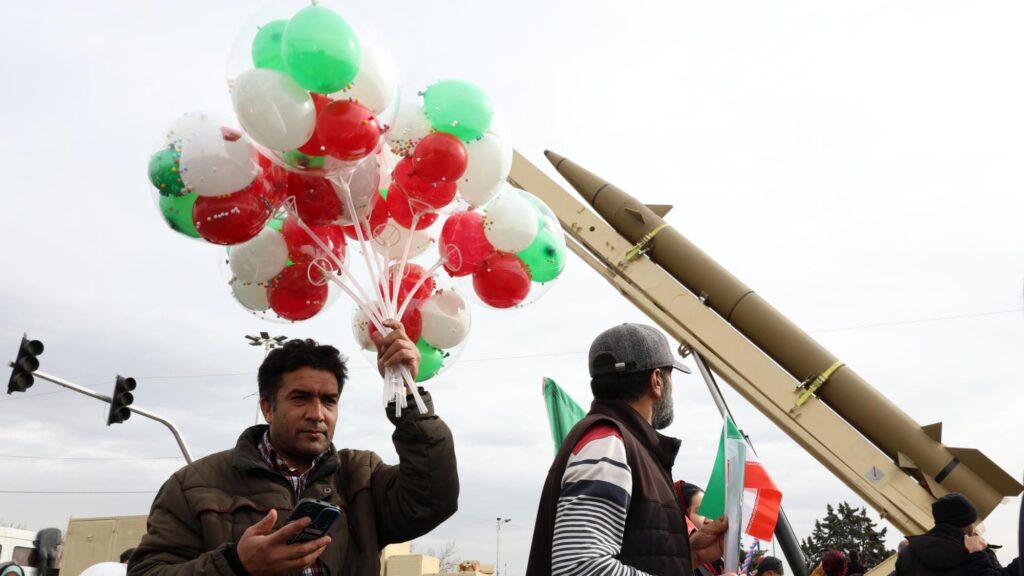
Iran anniversary events marked by discontent began at nine o’clock on Tuesday night, even as Tehran’s skies erupted with chants, fireworks and cries of “God is greatest” to mark the 47th year of the 1979 revolution. Supporters celebrated from rooftops and windows, filling the capital with light and sound. Yet alongside the official slogans, voices in the darkness shouted “death to the dictator,” echoing last month’s sweeping protests. Security forces had crushed those demonstrations with unprecedented lethal force, leaving deep scars. The anniversary unfolded under the shadow of that bloodshed, where celebration and dissent shared the same night air.
Authorities have only just eased a near total internet blackout and allowed a limited number of foreign journalists to return. The mood in the capital now sharply contrasts with last June, when a brief but intense war with Israel stirred nationalist solidarity. That conflict, which included US strikes on Iranian nuclear sites, had rallied many shaken residents around their country. Today, Tehran displays flags and bunting for the “ten days of dawn,” commemorating the revolution that toppled the shah. But soaring prices and anger at clerical rule have dimmed the festive veneer. Economic pain and political frustration dominate private conversations.
Also Read: Shivam Mishra Nabbed Over Kanpur High-End Car Crash
Tension Shadows Iran’s Revolution Commemoration
On the final day of commemorations, the government mobilised loyal supporters into the streets as a visible rebuttal to the protests. Families marched in the winter sun, waving flags and portraits of Supreme Leader Ayatollah Ali Khamenei. Crowds chanted “death to America” and “death to Israel,” reinforcing long standing revolutionary slogans. Some participants acknowledged economic grievances but blamed unrest on foreign interference. President Masoud Pezeshkian echoed that stance, accusing Iran’s enemies of spreading malicious propaganda. At the same time, he apologised for government shortcomings and promised to address the currency collapse and rising living costs.
In everyday Tehran, many citizens voiced fear and frustration. Some avoided speaking to journalists, calling it too dangerous. Others openly expressed grief and anger over the deaths of young protesters. Residents described sleepless nights, emotional trauma and shock at images that surfaced once internet access returned. Young people demanded basic freedoms and accountability from leaders. Older citizens lamented both the loss of life and the crushing rise in food prices and unemployment.
Iran’s leadership now confronts mounting internal and external pressures. The supreme leader and judiciary have pledged no leniency for those labelled terrorists or troublemakers. Meanwhile, US President Donald Trump has warned of further military strikes if diplomacy fails. Sanctions, nuclear tensions, corruption and mismanagement continue to strain the economy. Water and electricity shortages compound public hardship. Nearly five decades after the revolution, the Islamic Republic faces one of the most consequential tests in its history.
Also Read: Russia Evacuates Tourists from Cuba Amid Deepening Fuel Crisis

More Stories
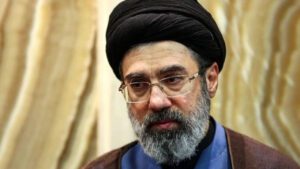
कौन हैं मोजतबा ख़ामेनेई, जिन्हें अगल सुप्रीम लीडर माना जा रहा है
RSP Leads Nepal Election 2026
AIIMS जोधपुर से पढ़ाई, UPSC में टॉप कर बने मिसाल अनुज अग्निहोत्री