





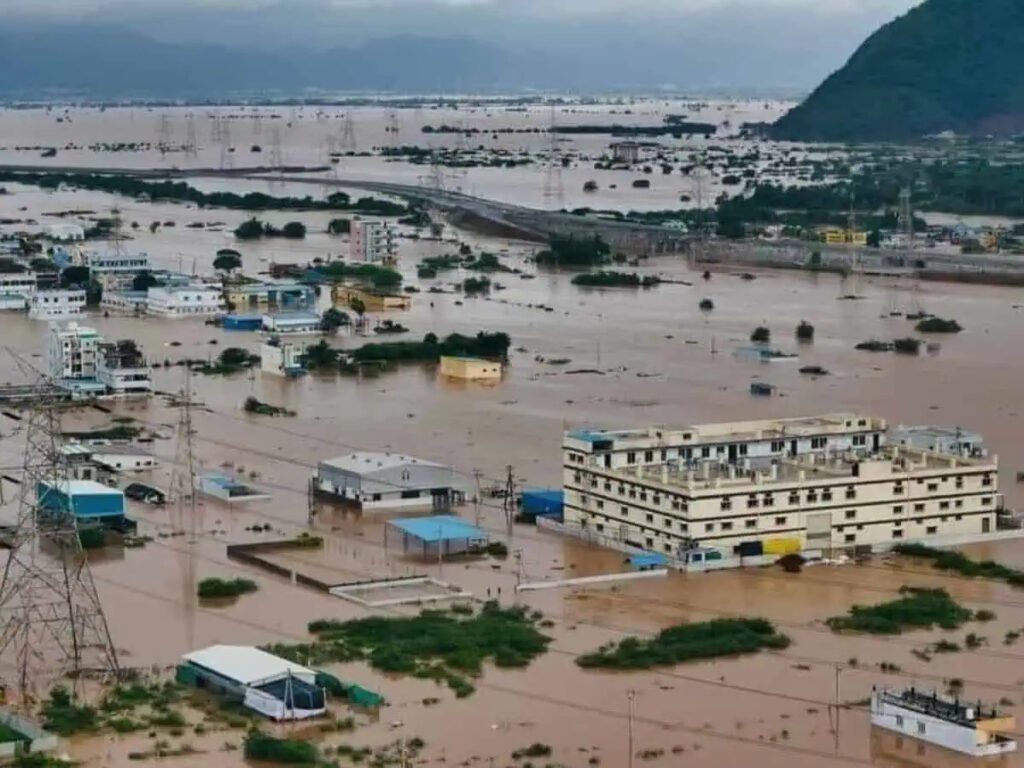
Sri Lanka rescue teams intensified operations on Friday as rising floodwaters trapped hundreds across the island. Helicopters and navy boats moved quickly, lifting residents from rooftops, treetops, and isolated villages. Officials reported that the death toll rose to 69, while 34 people remained missing. The Disaster Management Centre confirmed that most victims in the central region died after sudden mudslides buried homes. Continuous rainfall worsened conditions, with more than 360 millimetres recorded in several areas within twenty-four hours.
Also read: Dhanashree Verma Responds to Chahal’s Denial, Says She Caught Him Cheating Early On
Rescue Efforts Intensify as Floodwaters Rise Across Sri Lanka
The Kelani River overflowed near Colombo, worsening flooding in heavily populated suburbs. Many residents described the situation as the worst in decades. Some families abandoned homes as water levels rose rapidly, leaving belongings behind. Locals sheltered neighbours and friends whose houses filled with water. Authorities estimated that at least 3,000 homes suffered severe damage. More than 18,000 people relocated to temporary shelters as floodwaters continued spreading. Rescue teams also evacuated stranded tourists from central tea-growing regions.
In Anuradhapura, an Air Force helicopter rescued a man who climbed a coconut tree to escape the surging water. The Disaster Management Centre warned that continued rainfall was likely as Cyclone Ditwah shifted toward southern India. Officials feared conditions could surpass the devastating floods of 2016. Indian Prime Minister Narendra Modi expressed condolences and directed emergency aid to Sri Lanka. Rescue workers continued navigating dangerous terrain as communities faced rising uncertainty.
Also read: Sources: Mohsin Naqvi Presents Trophy to UAE Board as BCCI Considers Impeachment Action
Thousands Displaced as Monsoon Rains Trigger Landslides and Widespread Damage
Sri Lankan media broadcast emotional appeals from stranded families who struggled to escape rising waters. One woman reported that her household, including a young child, had no safe refuge remaining. Emergency teams rushed to reach vulnerable groups as conditions worsened. Heavy monsoon rains, intensified by Cyclone Ditwah, caused rivers to swell and trigger landslides. Experts warned that climate change could increase severe floods across the country. Local authorities urged residents to prioritize safety and follow evacuation orders.
Sri Lanka relies heavily on monsoon rains for agriculture and hydropower, but extreme weather patterns continue creating new risks. This week’s disaster produced the highest weather-related death toll since last year. Previous floods in June and December also resulted in significant loss of life. The worst flooding since 2000 occurred in 2003, when more than 250 people died. Officials emphasized the need for stronger preparedness measures. Communities now work with emergency teams to rebuild and recover.
Also read: Dhanashree Verma Responds to Chahal’s Denial, Says She Caught Him Cheating Early On




More Stories
AIIMS जोधपुर से पढ़ाई, UPSC में टॉप कर बने मिसाल अनुज अग्निहोत्री
IAF Fighter Jet Crash in Karbi Anglong Kills Two Pilots
Nitish Kumar’s Rajya Sabha Decision Triggers Unease In JD(U), Leaders Seek Review