





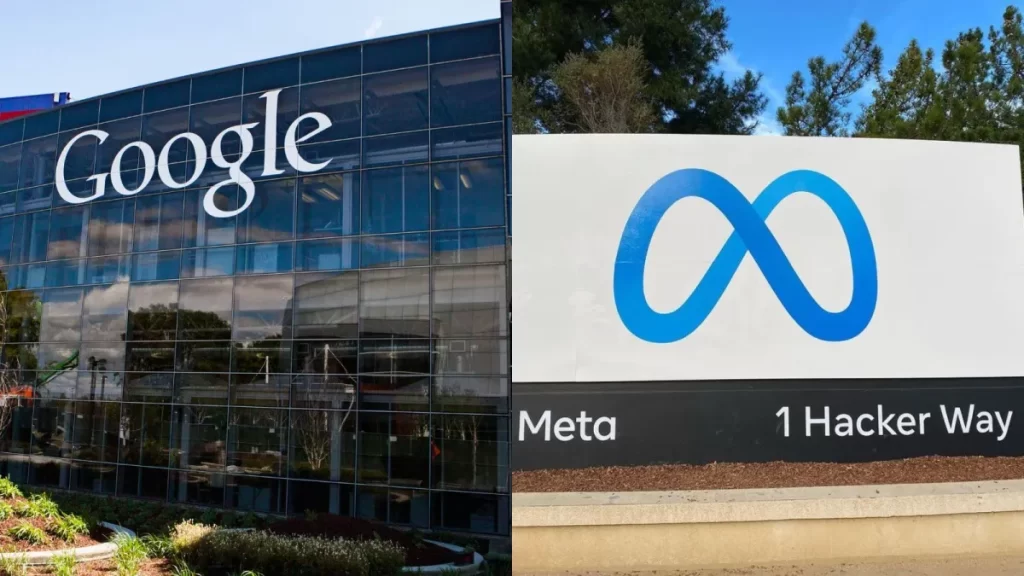
Google and Meta have informed the Delhi High Court that it is neither practical nor legally justified for social media platforms to monitor and remove every piece of unlawful content before it is uploaded. The companies argued that such a requirement would force intermediaries to function as “super censors.” They maintained that Indian law does not impose a duty to examine every post in advance. Instead, platforms act after receiving valid legal notices. The matter is currently under the court’s consideration.
Also Read : Delhi Woman Found Dead Hours After Office Party; Family Blames Husband
Tech giants argue that monitoring every user post before publication is legally and practically impossible
The case began after advocate Vaibhav Singh approached the Delhi High Court over the circulation of audio and video clips from Arvind Kejriwal’s court hearing in the excise policy case. Singh alleged that sharing these recordings violated the High Court’s video conferencing rules. He also sought contempt proceedings against Kejriwal and others for the alleged publication of the clips. The petition further requested directions for intermediaries to proactively identify and remove such content. The issue has sparked a broader debate on online content regulation.
While hearing the matter earlier this year, the Delhi High Court expanded the scope of the case by examining whether social media platforms should be legally required to detect and remove content that violates existing laws. The bench raised questions about the responsibilities of digital intermediaries in preventing unlawful uploads. The court is now considering whether proactive monitoring should become part of their legal obligations. The outcome could significantly affect how online platforms operate in India. The matter remains pending before the court.
Also Read : Deadly Prison Violence in Sri Lanka Leaves 25 Inmates Dead Amid Drug Trade Dispute
The plea stems from the circulation of Arvind Kejriwal’s court hearing clips and raises questions over intermediary liability.
Meta argued that asking platforms to determine the legality of every post would effectively turn them into “super censors,” a role that the Supreme Court has previously cautioned against. The company said the Information Technology (Intermediary Guidelines and Digital Media Ethics Code) Rules, 2021 require only reasonable efforts to discourage unlawful content. They do not mandate prior censorship or independent legal evaluation of every upload. Meta also highlighted that millions of posts, videos, comments, and images are shared daily. According to the company, reviewing each one before publication is practically impossible.
Google presented a similar stand before the court, stating that intermediaries are not legally required to monitor billions of user-generated posts proactively. The company said it can act effectively only after receiving details of specific content or URLs that allegedly violate the law. It also referred to Section 79 of the Information Technology Act, 2000, which provides safe harbor protection to intermediaries. The provision shields platforms from liability for user-generated content if they follow due diligence requirements and remove unlawful material after receiving valid legal notice. The case will continue before the Delhi High Court.
Also Read : Delhi Woman Found Dead Hours After Office Party; Family Blames Husband



More Stories
Indian startup ready to launch petrol pump in space, test refuelling outside Earth
दिल्ली-NCR में बदला मौसम, धूल भरी आंधी के साथ बारिश और ओलावृष्टि का अलर्ट जारी
Jio’s Rs 30,213 Crore IPO: How It Differs From LIC, Hyundai and NSE