



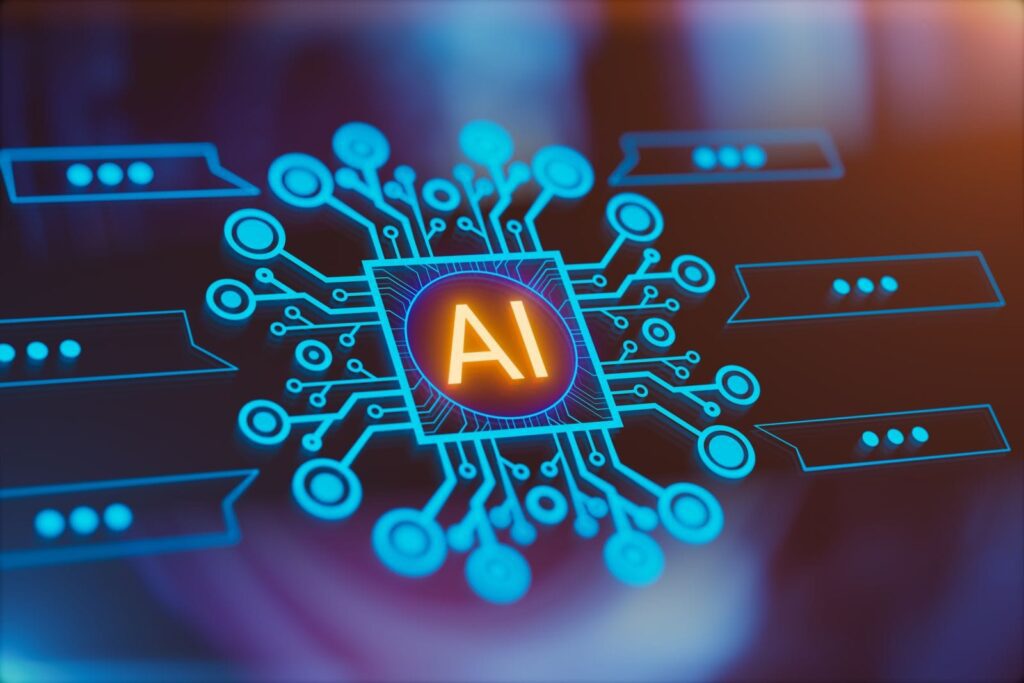
China has sharply intensified AI tensions with the United States after it decided to boycott the globally renowned Conference on Neural Information Processing Systems (NeurIPS), one of the most influential platforms for artificial intelligence research.
The move came after the conference’s organizing body introduced a new rule that blocks research paper submissions from institutions and companies placed under U.S. sanctions. This policy directly impacts major Chinese technology firms such as Huawei and SMIC, both of which have faced restrictions from the United States in recent years.
AI tensions escalate
In response, the China Association for Science and Technology (CAST) announced a complete boycott. The organization stated that it will no longer fund Chinese researchers to attend NeurIPS. Instead, it will redirect financial support toward domestic AI conferences and international events that, according to CAST, “respect the rights and interests of Chinese academics.”
CAST also took a stronger step by declaring that research papers accepted at NeurIPS will no longer count as officially recognized outputs for its funding and evaluation programs. However, it clarified that Chinese academic institutions may still consider the scientific merit of such papers independently.
NeurIPS plays a critical role in shaping the future of artificial intelligence. Researchers, engineers, and global tech companies use the conference to present cutting-edge innovations, collaborate on breakthrough ideas, and recruit top talent. By withdrawing participation, China risks reducing its visibility in one of the world’s most important AI forums—but it also signals a shift toward building alternative ecosystems.
The controversy highlights the growing impact of geopolitics on scientific collaboration. The United States has increasingly tightened scrutiny on Chinese researchers and institutions, citing national security concerns. Authorities have investigated several scientists working in U.S. universities for alleged links to Chinese entities. At the same time, Washington has imposed sanctions on hundreds of Chinese companies and academic institutions, limiting their access to advanced American technologies, including semiconductors and AI systems.
Also Read : Ashwin Slams Hardik as MI Captaincy Debate Heats Up
China has also responded by strengthening its own regulatory controls. In recent developments, Chinese authorities reportedly restricted the international travel of executives from an AI startup amid concerns over foreign investment compliance. These measures indicate that both countries are using policy tools to safeguard and advance their technological interests.
Experts believe that such restrictions could fragment the global AI research landscape. Instead of open collaboration, countries may increasingly operate within separate technological ecosystems. This shift could slow down innovation in some areas while accelerating competition in others, as both nations push to achieve leadership in advanced AI capabilities.


More Stories
Will ( AI ) Artificial intelligence Replace Jobs? What Tech Leaders and Employees Say About the Future
बच्चे को पीठ पर बांधकर ड्यूटी करती मां का वीडियो वायरल, लोग बोले- ‘आधुनिक झांसी की रानी’
Trump U-Turn: US to Buy Russian Diesel as Zelenskyy Calls Move a ‘Gift to Putin’