





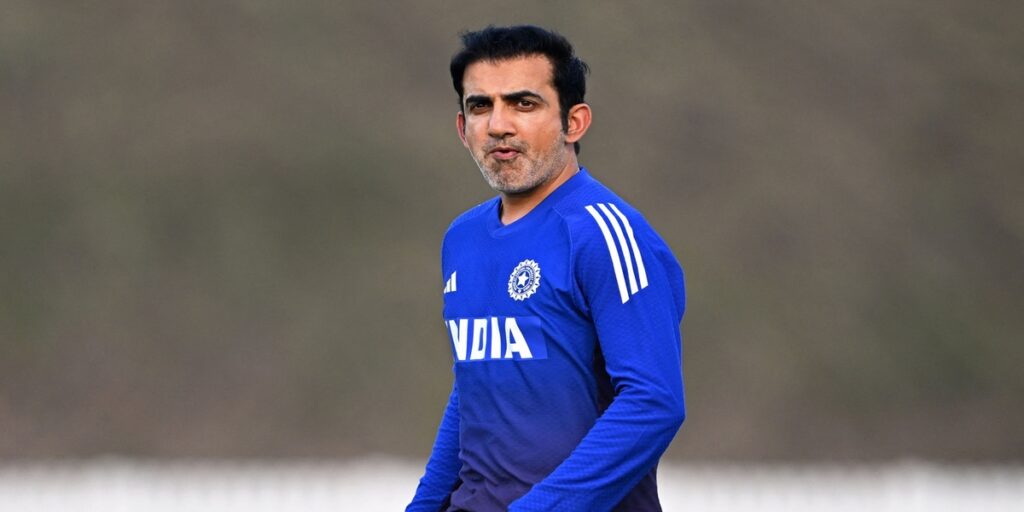
India may be unbeaten in the tournament so far, yet a clear vulnerability has started to emerge despite that unbeaten run. With six left-handers in the playing XI, opposition teams have consistently targeted them with right-arm off-spin, and the returns justify that call. When Aryan Dutt hit tight lines and lengths against India’s top order and Colin Ackermann backed him up with control, the concern shifted from speculation to reality. What once looked like a minor tactical angle now appears to be a structural issue, even as India remain unbeaten.
The numbers strengthen that argument. Only 11 of the 20 teams in the T20 World Cup 2026 have faced 10 or more overs of right-arm off-spin. India have already lost 11 wickets to that variation in just 20.1 overs, the joint-highest tally alongside Nepal. Furthermore, India score at just 6.36 per over against off-spin and average 11, the second-lowest figures in the competition. Those metrics highlight a weakness opponents will continue to attack, unbeaten status notwithstanding.
Also Read : Kota Threat Case: Man Held Over Rahul Gandhi Warning
Unbeaten, yet off-spin exposes both left and right-handers
The problem does not stop with the left-handers. While lefties account for eight dismissals and have scored 84 off 81 balls, right-handers have not provided stability either. They have added 37 runs off 31 deliveries and lost three wickets in the process. As a result, India’s overall output against right-arm off-spin ranks among the weakest in the tournament.
Hardik Pandya illustrates the struggle clearly. He fell twice in four balls to off-spin, including a golden duck against Pakistan. Suryakumar Yadav managed 30 off 29 against that variety before losing his wicket. Tilak Varma has also looked uncomfortable against similar bowling. Although Hardik attacks slow left-arm orthodox more freely, the broader batting unit still struggles to rotate strike and dominate off-spin.
Super 8 brings tougher tests
India faced associate nations in three of their four group matches; however, the threat never looked superficial. Gerhard Erasmus challenged them with clever variations, and Dutt maintained relentless discipline. In the Pakistan clash, Saim Ayub, Usman Tariq and Salman Agha mixed their pace smartly and followed the same blueprint. Therefore, teams have already identified and executed a clear plan.
The Super 8 stage will intensify that challenge. South Africa arrive with options such as Aiden Markram, Tristan Stubbs and Keshav Maharaj. West Indies can turn to Roston Chase and Akeal Hosein, while Zimbabwe rely on Sikandar Raza, who even takes the new ball when required. Gautam Gambhir and the think tank must now respond decisively. India’s approach against off-spin, especially in the high-stakes clash against South Africa, could shape the direction of their campaign.
Also Read : UK Police Take Royal into Custody Over Alleged Public Office Misconduct




More Stories
AIIMS जोधपुर से पढ़ाई, UPSC में टॉप कर बने मिसाल अनुज अग्निहोत्री
IAF Fighter Jet Crash in Karbi Anglong Kills Two Pilots
Nitish Kumar’s Rajya Sabha Decision Triggers Unease In JD(U), Leaders Seek Review