





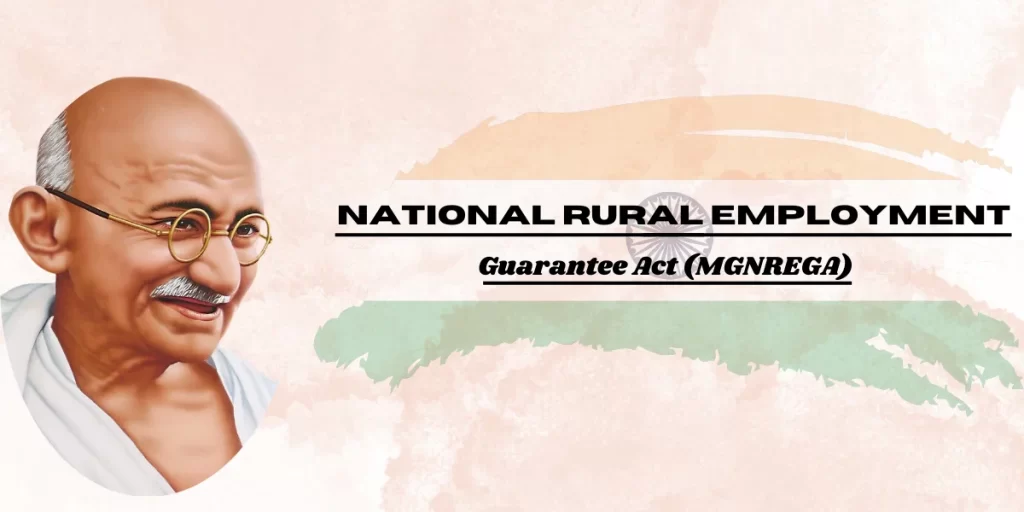
Mahatma Gandhi National Rural Employment Guarantee Act has drawn global recognition for its innovative design and measurable success in guaranteeing rural employment. Dismantling this programme now would mark a grave and irreversible policy mistake. MGNREGA annually provides over two billion person-days of work to nearly fifty million rural households. Women constitute more than half of the workforce, while Scheduled Castes and Tribes account for about forty percent.
We, a group of scholars, policymakers, lawyers, and civic actors, express deep concern over the proposed repeal of MGNREGA. We urge the Government of India to renew its commitment to this historic and rights-based legislation. MGNREGA remains the world’s largest programme guaranteeing a legal, demand-driven right to employment. Parliament originally passed the Act unanimously, reflecting consensus beyond political affiliations.
Experts Cite Funding Cuts, Federal Shift as Threats to Mahatma Gandhi National Rural Employment Guarantee Act Survival
Also Read: Vivek Agnihotri advises Ranveer and Aditya to celebrate Dhurandhar success
The programme affirms economic dignity by recognising employment security as a fundamental right.
Extensive research confirms MGNREGA’s positive effects on wages, productivity, and rural economic growth. During its early years, rural wages rose sharply, disproving claims that the programme reduced efficiency. Despite its success, chronic underfunding and delayed payments have weakened effective implementation.
The recent shift transferring financial responsibility to states now threatens the programme’s survival.
States lack the fiscal capacity to sustain MGNREGA without adequate central government support. The new funding model creates a Catch-22 by assigning legal obligations without providing sufficient resources. States now shoulder up to the entire project cost, forcing poorer regions to reduce approved works.
This funding burden directly suppresses employment demand and undermines the programme’s core guarantee. Discretionary powers allowing arbitrary suspension further erode the right to work. The prolonged defunding of West Bengal illustrates how political misuse can disable the programme.
The revised framework formalises these risks by imposing unfunded mandates without state consultation.
MGNREGA also creates durable rural assets like roads, ponds, and wells that stimulate local economies.
By making projects financially unviable, the new system destroys these economic multiplier effects. MGNREGA stands as a globally admired instrument for poverty reduction, equity, and environmental care.
Dismantling it would abandon a proven path toward social justice and inclusive development. We call for assured central funding, timely wage payments, and restoration of the guaranteed right to work.



More Stories
नेपाल में बालेन शाह की पार्टी RSP ने दर्ज की बड़ी जीत अन्य पार्टियां काफी पीछे
IND vs NZ T20 World Cup Final: What Kind of Pitch Will Ahmedabad Offer
कौन हैं मोजतबा ख़ामेनेई, जिन्हें अगल सुप्रीम लीडर माना जा रहा है