
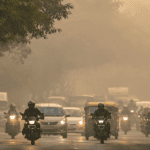


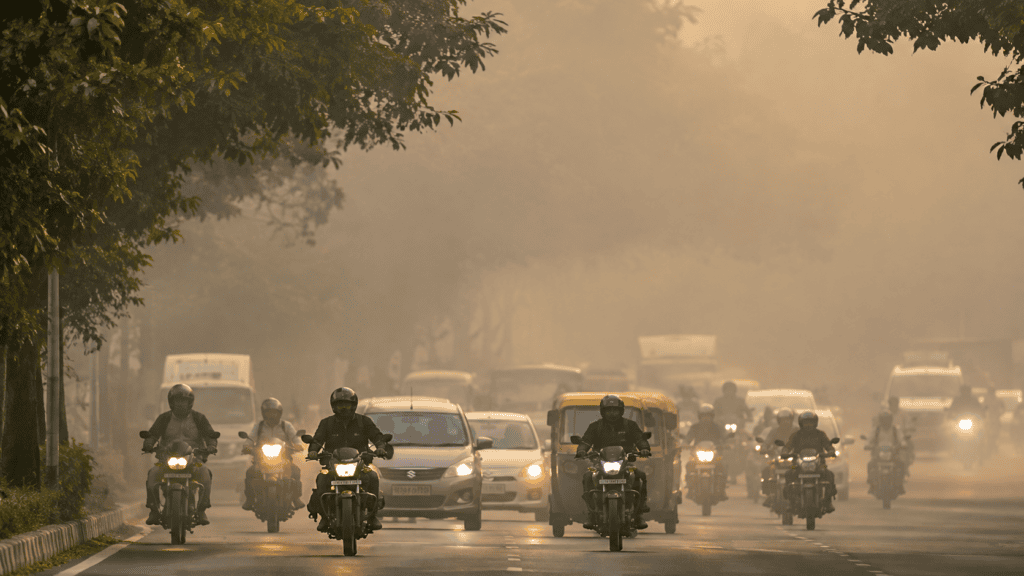
The Supreme Court has granted temporary relief to residents of Delhi-NCR by allowing certified green firecrackers ahead of Diwali. On Monday, November 2, the court permitted people to burst approved green crackers on November 7 and 8. However, the permission comes with strict timing restrictions. Residents can burst firecrackers between 6 am and 7 am, and again from 8 pm to 10 pm. The court clarified that the complete ban on firecrackers would return from November 9. A bench comprising Justices MM Sundresh and PB Varale said a regulated approach would be more practical than maintaining a complete prohibition. The judges observed that the earlier blanket ban had failed to significantly improve air quality. It had also failed to prevent the illegal sale and use of conventional firecrackers across the national capital region.
Why the Supreme Court Relaxed the Firecracker Ban
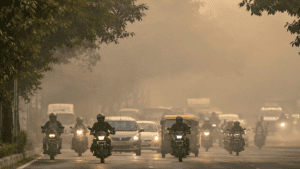
The Supreme Court highlighted several problems with the existing blanket prohibition. According to the bench, conventional firecrackers continued entering the market despite strict restrictions. Some traders reportedly sold conventional crackers by disguising them as environmentally friendly products. The court observed that the complete ban also prevented consumers from purchasing genuine green firecrackers. Therefore, the judges considered temporary regulation a more effective option. The bench acknowledged that firecrackers contribute significantly to air pollution. However, it also criticised authorities for failing to implement existing restrictions properly. The judges emphasised better coordination between government departments, police and pollution-control agencies. They also stressed that monitoring should continue beyond the festive season. The court said environmental protection required consistent enforcement rather than temporary restrictions during festivals.
The bench also examined the issue from the perspective of religious freedom and environmental rights. It explained that Article 25 of the Constitution protects the freedom to practise and propagate religion. However, this freedom remains subject to public order, morality, health and other fundamental rights. The court specifically referred to Article 21, which includes the right to life and a healthy environment. It clarified that religious traditions cannot override constitutional protections related to public health. At the same time, the judges recognised Diwali’s religious, cultural and emotional importance. They noted that the festival has developed significant national and international recognition over centuries. The bench also referred to ancient Hindu scriptures, including the Skandapurana and Padmapurana, which mention the traditional use of lamps during celebrations. The judges observed that environmental degradation defeats the purpose of festivals because pollution threatens everyone’s health.
Also read: Tamil Nadu CM Disburses ₹15.68 Crore Film Subsidy to 224 Producers on Diwali
Rules for Manufacturing and Selling Green Firecrackers
The Supreme Court has established strict conditions for manufacturing and selling approved green firecrackers. Manufacturers holding valid certifications from CSIR-NEERI and the Petroleum and Explosives Safety Organisation can produce approved products between November 2 and 6. Only firecrackers listed on the CSIR-NEERI website can enter the market. Manufacturers must keep product boxes completely sealed to prevent the mixing of conventional crackers. Authorities will allow sales only at designated locations approved by district collectors and commissioners. Online sales will remain strictly prohibited. Traders whose licences were previously cancelled will receive temporary restoration between November 4 and 6. However, any violation will result in immediate cancellation. Every box must also carry a product-specific QR code. Consumers can scan it to verify the manufacturer’s identity, registration details, licence information, formulation and test certificate.
The court has also introduced special restrictions around sensitive public places. Residents cannot burst firecrackers within 300 metres of hospitals, nursing homes, health centres, old-age homes and educational institutions. Authorities must identify and publicise these no-cracker zones. The bench has additionally prohibited firecrackers containing barium, unapproved products and series-connected crackers commonly called laris. Police and district administration teams will inspect authorised shops and verify QR codes. Officials will also check vehicles entering Delhi-NCR to prevent illegal transportation. Meanwhile, pollution-control authorities must collect air-quality and health-related data during the relaxation period. The Central Pollution Control Board will prepare daily reports covering November 2-6, November 7-8 and November 9-30. Hospitals must provide information about pollution-related admissions and deaths. State governments must submit compliance reports by December 14. The Supreme Court warned that officials responsible for violations could face contempt proceedings.
Also read: Haryana Shock: 6-Year-Old Attacked With Bricks and Flowerpots at Panchkula School

More Stories
जज बनकर न्यायिक अधिकारी को धमकाने वाले सुकेश चंद्रशेखर को सुप्रीम कोर्ट से झटका, सजा पर रोक लगाने की याचिका खारिज
SC disposes of Ram Temple embezzlement petitions after Uttar Pradesh says charge sheet filed
शाहरुख ने 61वें जन्मदिन पर ताज होटल में देर रात तक की पार्टी, आर्यन-सुहाना संग जश्न, फैंस को दिया फ्लाइंग किस