


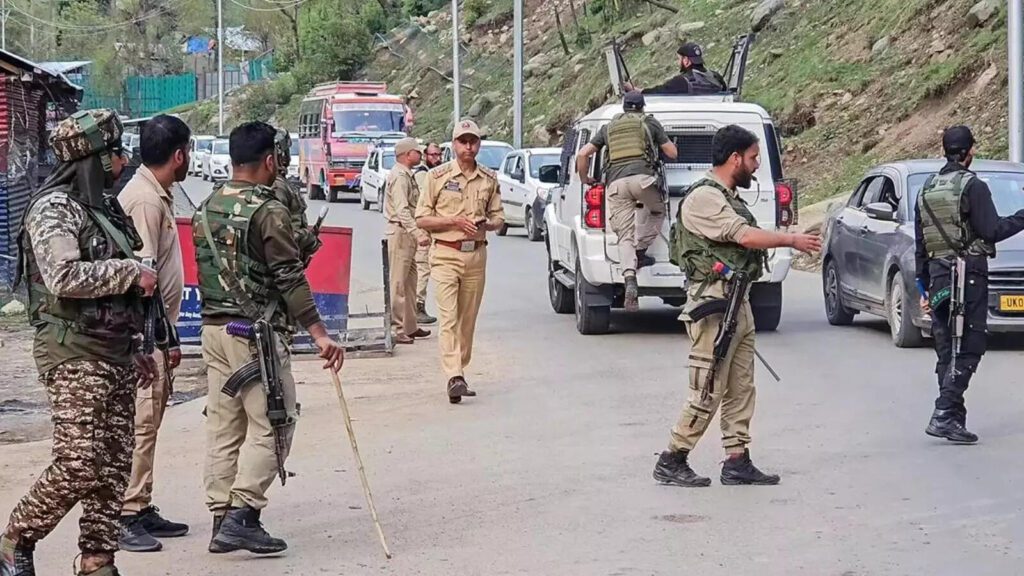
Authorities imposed a curfew in Leh, Ladakh, after violent clashes erupted during protests demanding statehood for the region. At least four people were killed and dozens injured when police fired bullets and tear gas to disperse crowds. Protesters also set fire to a local BJP office and damaged police vehicles. The unrest marks the worst violence in the region in decades. The federal government blamed prominent activist Sonam Wangchuk for inciting the violence, though he denied the charges and urged protesters to remain peaceful.
Also Read : Donald Trump launches $15 billion lawsuit targeting The New York Times
Curfew Imposed in Leh After Deadly Statehood Protests Turn Violent
Ladakh, a remote Himalayan region with Buddhist and Muslim populations, lost its limited autonomy in 2019 when the Indian government split it from Jammu and Kashmir and brought it under direct federal control. Since then, both Leh’s Buddhist-majority and Kargil’s Muslim-majority communities have united in demanding statehood and constitutional safeguards. These include job and land protections for locals. Protests have taken place for months, but Wednesday’s incident turned unexpectedly violent, prompting accusations, arrests, and further political tension between residents and the central government.
The Ministry of Home Affairs claimed that Wangchuk misled the youth by invoking examples like the Arab Spring and Gen-Z protests in Nepal. Officials accused him of promoting unrest while continuing his hunger strike. However, protest leaders said the movement was peaceful and that frustrations among Ladakhi youth, especially around rising unemployment and delayed talks, had triggered the violence. Wangchuk ended his hunger strike and condemned the unrest, emphasizing that violence would only hurt their cause for autonomy and protection of local rights.
Also Read : Nitin Gadkari Major Warning After Operation Sindoor: ‘World War III Could Erupt Anytime
Leaders Demand Autonomy as Talks Stall and Frustration Grows in Ladakh
Community leaders, including the influential Ladakh Buddhist Association, blamed the government for ignoring long-standing demands and delaying dialogue. They noted that both Buddhist and Muslim communities feel sidelined, with limited access to decision-making and development opportunities. Critics argue that the region’s current status allows unchecked outside influence over land, culture, and environmental resources. Despite multiple rounds of talks since 2023, activists say progress has been minimal, fueling disillusionment. The government, however, maintains that it has been open to dialogue and has achieved significant development gains in the region.
As tensions remain high, fresh meetings between Ladakhi leaders and federal officials are expected later this week. A government-appointed committee is also scheduled to meet regional representatives on October 6. Activists say genuine autonomy, not symbolic gestures, is needed to restore trust and avoid future unrest. Wangchuk, known for his work in education and environmental sustainability, remains central to the movement. Both protesters and local leaders warn that unless the government addresses their demands seriously, the situation could deteriorate further in the already sensitive border region.
Also Read : Donald Trump launches $15 billion lawsuit targeting The New York Times
More Stories
Two Lok Sabha MPs Refuse Salary: Meet the Lawmakers Who Decline Pay
IT कंपनियों पर बढ़ सकते हैं साइबर हमले NASSCOM ने सुरक्षा बढ़ाने की दी सलाह
US-Iran conflict impact: Market turmoil and protests in Parliament