





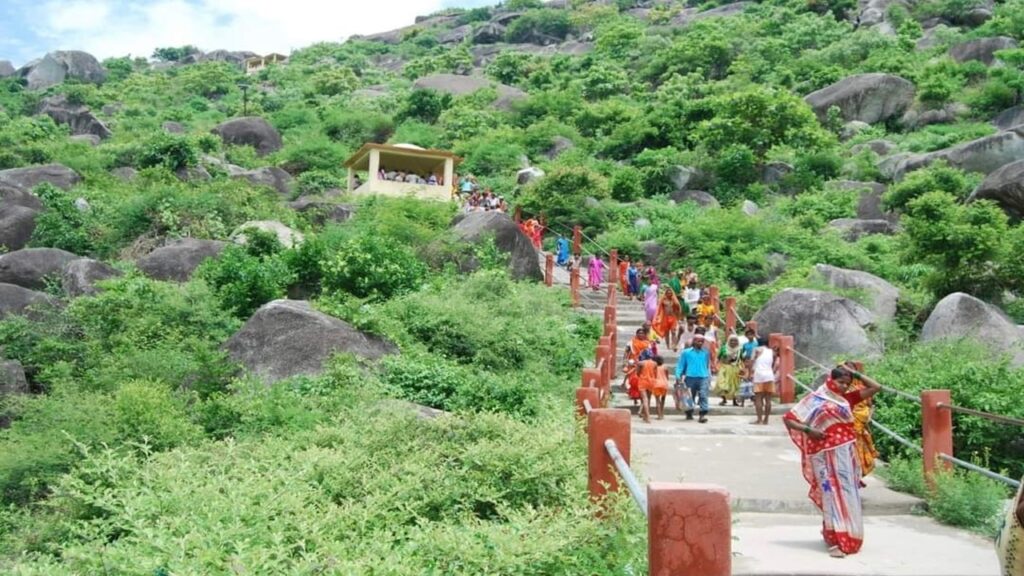
The Supreme Court recently issued a height-based definition for the Aravalli Hills, generating widespread concern among environmentalists and local communities. By using a 100-metre rise criterion, authorities risk excluding lower sections from legal protection. Opposition leaders warned that this clarification could enable large-scale mining, infrastructure, and real estate projects in fragile ecosystems. Activists argued that limiting safeguards to elevation alone threatens biodiversity, groundwater recharge, and air quality across northern India. Social media users rapidly mobilized under the hashtag #SaveAravalli, sharing videos, posts, and infographics to amplify awareness. Scientists stressed that the Aravalli Range, one of the world’s oldest mountain chains, functions as a natural barrier against desertification. Local communities feared permanent loss of forests, water sources, and human habitability. Citizens, NGOs, and conservationists called for urgent government intervention to preserve these critical ecological zones.
Also read: Dhanashree Verma Responds to Chahal’s Denial, Says She Caught Him Cheating Early On
Aravalli Hills: Supreme Court’s New Definition Sparks Environmental Concerns
The Supreme Court relied on global geological standards to define hills, drawing strong criticism from experts. Environmentalists warned that defining hills purely by elevation oversimplifies complex ecological systems. Significant portions of the Aravalli Range in Rajasthan, Haryana, and Delhi could lose protection, exposing them to legal and illegal mining. Conservationists emphasized that the hills regulate groundwater, moderate air pollution, and slow desert expansion from the Thar Desert. They pointed out that decades of exploitation had already weakened ecosystem resilience, making careful protection critical. Activists insisted that mathematical thresholds cannot replace ecosystem-based management. Campaigners argued that slopes, forests, and catchment areas should receive equal protection. Online activism and educational campaigns helped raise national awareness, turning a regional ecological issue into a prominent public debate. Scientists urged immediate action to prevent irreversible environmental damage.
Stretching across Gujarat, Rajasthan, Haryana, and Delhi, the Aravalli Hills serve as a vital ecological shield for northern India. The range slows desertification, recharges groundwater, and moderates toxic air pollution in the National Capital Region. Experts highlighted that mining, construction, or real estate projects in protected areas could accelerate biodiversity loss and worsen water scarcity. Environmentalists stressed that the hills are not just geological formations but integral parts of interconnected ecosystems. Villagers and local communities reported concerns about losing forests, agricultural lands, and traditional livelihoods. Conservationists emphasized that even partial encroachment could disrupt the balance of natural systems irreversibly. Social media campaigns, protests, and expert warnings pressured authorities to adopt precautionary measures. Many argued that environmental safeguards should focus on ecosystem function rather than height alone. Scientists and NGOs continue mobilizing citizens to demand full protection.
Also read: Sources: Mohsin Naqvi Presents Trophy to UAE Board as BCCI Considers Impeachment Action
Calls for Precautionary Action Amid Mining and Ecological Risks
The Aravalli controversy sparked strong political responses from multiple parties. Former Rajasthan Chief Minister Ashok Gehlot claimed that 90 percent of the state’s hills could face exploitation. Samajwadi Party chief Akhilesh Yadav accused the ruling party of prioritizing corporate interests over environmental protection. Congress highlighted protests, scientific warnings, and community resistance, alleging government inaction. The BJP defended the clarification, asserting that 90 percent of the Aravalli region remains fully protected, while only 0.19 percent may see regulated mining activity. Environment Minister Bhupender Yadav emphasized that the Supreme Court order sought clarity, not reduced safeguards. Party leaders claimed misinformation fueled public alarm. Activists, however, argued that ecosystem health cannot be measured by numbers alone, insisting that legal protection must encompass slopes, forests, and water catchment zones. The debate intensified social media discussions and national awareness.
Environmentalists insist that precautionary measures are urgently needed to prevent irreversible damage. NGOs and scientists argued that definitions alone cannot safeguard the Aravalli ecosystem. They demanded holistic protection covering hills, slopes, forests, and catchment areas, regardless of height. Conservationists highlighted the importance of monitoring and enforcing existing protections to stop illegal mining. Citizens, activists, and online communities amplified the call for immediate action through campaigns, videos, and protests. Experts warned that neglecting ecological integrity could worsen water scarcity, air pollution, and biodiversity loss across northern India. They emphasized that the Aravalli Hills provide critical ecosystem services, supporting millions of people and wildlife. Policymakers face pressure to balance development with environmental sustainability. The ongoing debate underscores the hills’ vital role in protecting northern India’s environment, communities, and long-term human livelihoods.
Also read: Dhanashree Verma Responds to Chahal’s Denial, Says She Caught Him Cheating Early On




More Stories
कौन हैं मोजतबा ख़ामेनेई, जिन्हें अगल सुप्रीम लीडर माना जा रहा है
RSP Leads Nepal Election 2026
AIIMS जोधपुर से पढ़ाई, UPSC में टॉप कर बने मिसाल अनुज अग्निहोत्री