





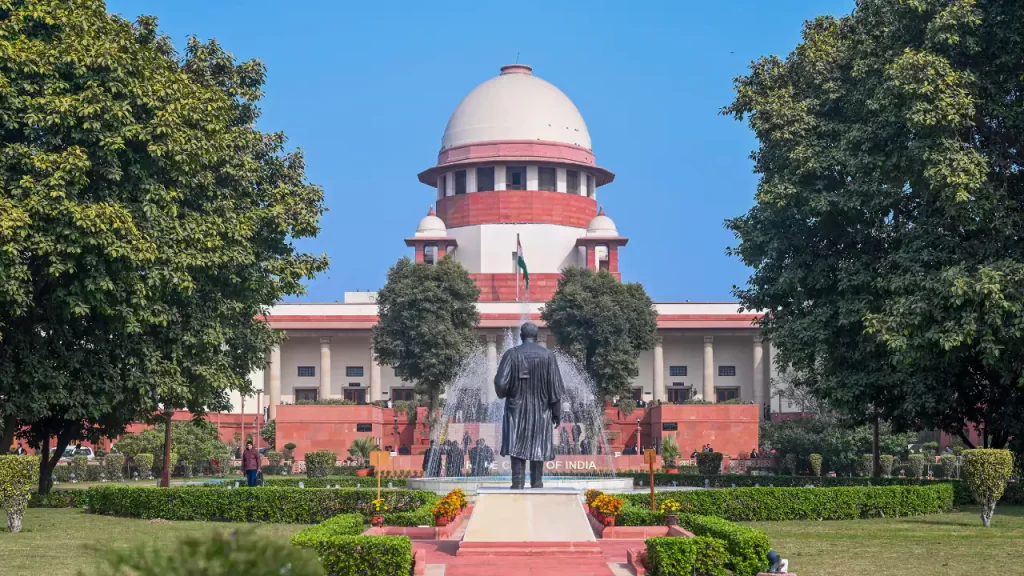
The Supreme Court has upheld a decision overturning Yes Bank’s ₹8,415 crore write-off of Additional Tier 1 (AT-1) bonds, marking a major victory for affected investors. The dispute began in March 2020, when the bank permanently wrote down these bonds during its financial crisis. Many investors claimed they had purchased the instruments believing they offered security and regular returns similar to fixed deposits. Several families said they had invested their life savings, retirement funds and children’s education money. The sudden write-off left them facing substantial financial losses and uncertainty about their future. On October 15, 2026, the Supreme Court dismissed appeals challenging the Bombay High Court’s earlier decision. The ruling reinforces the principle that financial institutions must exercise their powers within the applicable legal framework. However, the decision does not automatically establish that every investor will immediately recover their money. Bondholders must now await the consequences of the judgment and any further steps concerning their investments.
Supreme Court Upholds Decision Against the Bond Write-Off
The legal battle centred on whether Yes Bank’s administrator could cancel AT-1 bonds after the government finalised the bank’s reconstruction scheme. The Bombay High Court set aside the ₹8,415 crore write-off in January 2023. Yes Bank, the Reserve Bank of India (RBI) and the Union government subsequently challenged that decision before the Supreme Court. The dispute focused on a crucial difference between the draft reconstruction plan and its final version. The draft included a provision allowing the bank to write down the bonds, but the final scheme notified on March 13, 2020, omitted that provision. The administrator ordered the permanent write-off the following day. Investors argued that the administrator could not exercise a power that the final scheme did not authorise. On October 15, 2026, the Supreme Court upheld the High Court’s decision and rejected the appeals. The judgment also raised concerns about the sale of high-risk financial instruments to individual investors and the regulatory oversight of Yes Bank’s deteriorating financial condition.
Several retail investors said they purchased Yes Bank’s AT-1 bonds because bank representatives allegedly presented them as safe investments offering attractive returns. Madhu Patni, a senior citizen from Gurugram, reportedly invested ₹70 lakh in seven bonds after her husband’s death. Her son, Chirag Patni, said she wanted regular income and believed her investment carried little risk. He alleged that bank officials reassured his mother when she expressed concerns about the bank’s financial difficulties. Baldev Arora, a shopkeeper in Amritsar, said he invested ₹20 lakh that he had saved for his children’s education. He alleged that his relationship manager encouraged him to choose bonds instead of fixed deposits. Another investor, retired finance professional Rajesh Dipak Bhattacharjee from Kolkata, invested ₹10 lakh and challenged the write-off. These accounts highlighted concerns about whether customers understood the products they purchased. However, the allegations differ from the position of a former Yes Bank relationship manager, who maintained that the required documentation disclosed the investment risks.
Also Read : UP Shock: Two Saints Murdered, Bodies Burnt Inside Shahjahanpur Temple
What Are AT-1 Bonds and Why Are They Risky?
Additional Tier 1 bonds form part of a bank’s regulatory capital and help absorb losses during severe financial distress. Banks issue these instruments to strengthen their capital position and meet regulatory requirements under the Basel III framework. Unlike conventional fixed deposits, AT-1 bonds generally have no fixed maturity date. They may offer attractive interest payments, but investors face significant risks, including potential principal write-downs or conversion into equity under specified conditions. These features help protect a bank’s financial stability when losses threaten its capital. However, the same characteristics can expose investors to substantial losses. In Yes Bank’s case, the 2020 write-off affected both institutional and retail bondholders. The Supreme Court’s decision does not eliminate the risks associated with AT-1 instruments or prohibit every future write-off. Instead, it upholds the finding that the specific action against Yes Bank’s bonds could not stand under the final reconstruction scheme. The case has renewed debate about investor suitability, transparent disclosures and safeguards against the mis-selling of complex financial products.
The Supreme Court’s ruling concludes a significant stage in the six-year dispute and places renewed attention on banks’ responsibilities toward retail customers. Yes Bank’s financial crisis intensified in early 2020, prompting the RBI to impose a moratorium and replace the bank’s board on March 5. Authorities subsequently introduced a reconstruction plan involving the State Bank of India and other investors. The administrator’s decision to write down ₹8,415 crore in AT-1 bonds triggered a prolonged legal challenge. The Bombay High Court overturned the action, and the Supreme Court has now upheld that decision. The judgment also criticised aspects of the bank’s sale of high-risk instruments to individual investors and questioned the regulator’s oversight as the bank’s financial position weakened. For affected bondholders, the outcome represents an important legal victory after years of uncertainty. However, questions remain about implementation, the financial consequences for the parties involved and the practical relief investors may receive. The case could influence future discussions about banking regulation, financial product disclosures and investor protection in India.



More Stories
अहमदाबाद के गरबा पंडाल में पहचान छिपाकर घुसने के आरोप में दो युवक पकड़े गए
Indian startup ready to launch petrol pump in space, test refuelling outside Earth
दिल्ली-NCR में बदला मौसम, धूल भरी आंधी के साथ बारिश और ओलावृष्टि का अलर्ट जारी