




The Supreme Court has proposed stricter vehicle restrictions to tackle Delhi’s growing air pollution crisis. The court favours allowing only BS-VI-compliant vehicles to operate in the national capital. The proposal aims to reduce harmful emissions from older vehicles. However, the Chief Justice of India (CJI) maintained the existing position for one month. The court will examine the issue further before issuing additional directions.
The observation came during a hearing on Delhi’s worsening air pollution situation. Justice Joymalya Bagchi said the court wanted only BS-VI vehicles in Delhi. A lawyer raised concerns about BS-IV vehicle owners facing difficulties obtaining Pollution Under Control (PUC) certificates. Some owners also reportedly struggled to purchase fuel. Justice Bagchi indicated that stricter emission standards could address these concerns. However, the CJI refused immediate intervention and maintained the status quo.
Also read:Indian Developers to Present Projects at Moscow International Game Week
Explores Five-Year Plan to Restrict Heavy Commercial Vehicles
The Supreme Court also discussed a five-year strategy to reduce pollution from heavy commercial vehicles. The Chief Justice questioned why authorities could not gradually restrict their entry into Delhi. He suggested developing practical alternatives before implementing restrictions. The court discussed battery-operated vehicles and storage facilities near Delhi’s borders. These facilities could help transport essential goods without allowing heavy trucks inside the capital.
However, the CJI warned authorities against imposing a complete vehicle entry ban. Delhi residents depend on regular supplies of vegetables, food and other essential commodities. Completely stopping commercial transportation could disrupt daily life. The court emphasised maintaining essential supplies while reducing pollution. It encouraged authorities to develop alternative transportation arrangements. These measures could gradually reduce heavy vehicle movement without affecting residents’ everyday requirements.
Also read:Bihar MLC Election 2026: Neeraj Singh Leads in Patna, BJP Ahead in Tirhut
Supreme Court Questions Neighbouring States Over Pollution Control Measures
The Supreme Court also questioned neighbouring states about their response to Delhi’s air pollution crisis. The Bench expressed concern over their limited participation in pollution-control efforts. The CJI observed that favourable natural conditions had helped Delhi experience relatively better air quality this winter. He urged authorities not to depend on weather conditions alone. The court wants governments to introduce stronger measures and coordinate their efforts to address the continuing pollution problem.
During the hearing, lawyers informed the Bench that heavy vehicle entry into Delhi had declined by 30 per cent following permission to impose the Environment Compensation Charge (ECC). The CJI also questioned the Municipal Corporation of Delhi over its optimistic presentation. He directed authorities to submit affidavits explaining their pollution-control measures. The court asked the Advocates General of Punjab, Haryana, Uttar Pradesh, Rajasthan and Delhi to appear at the next hearing. It also sought detailed reports before considering further directions.
Also read:Indian Developers to Present Projects at Moscow International Game Week


More Stories
WhatsApp का नया फीचर: अब 2 हफ्ते पहले शेड्यूल कर सकेंगे मैसेज
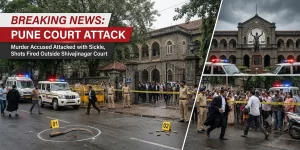
Pune Court Horror: Murder Accused Attacked With Sickle, Shots Fired Outside Court
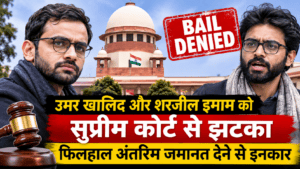
उमर खालिद और शरजील इमाम को सुप्रीम कोर्ट से झटका, फिलहाल नहीं मिली अंतरिम जमानत