




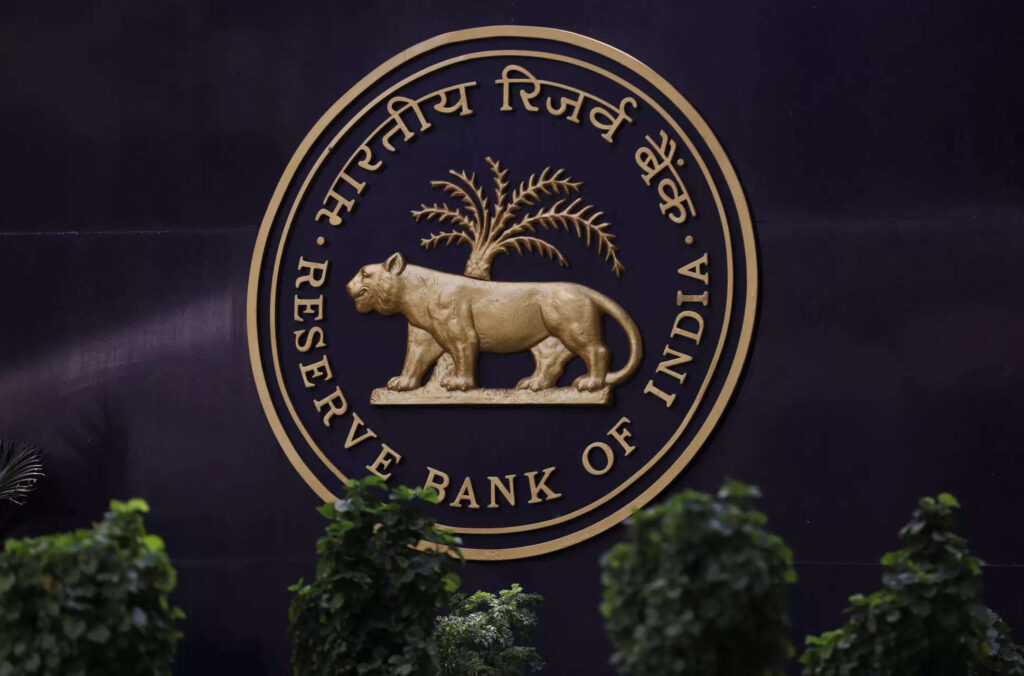
The Reserve Bank of India (RBI) highlighted growth risks in its latest monetary policy statement. Governor Sanjay Malhotra admitted that recent geopolitical tensions have changed India’s economic outlook substantially within weeks. Previously, India’s growth appeared strong, inflation remained controlled, and the macroeconomic environment felt stable and predictable. The RBI initially could maintain policy without adjustments, relying on a robust economic foundation. However, the West Asia conflict triggered oil price volatility, supply chain disruptions, and increased uncertainty across financial markets. These developments forced the central bank to adopt a more cautious approach than previously planned. Malhotra emphasized that conditions in March now differ sharply from expectations only a month ago. The RBI’s messaging subtly warned that these external shocks could impede growth while keeping the baseline projection intact. Despite challenges, India’s macro fundamentals continue to provide resilience against sudden economic disturbances.
Also Read: BBC inside scam compound using fake police and soldiers identities
RBI Holds Rates Amid Rising Geopolitical and Oil-Induced Risks to Growth
The central bank decided to hold interest rates and maintain a neutral stance this cycle. While appearing routine, the pause reflects careful risk assessment by policymakers. Higher crude prices threaten inflation and could widen India’s current account deficit significantly this year. Supply chain disruptions in logistics and commodities may constrain industrial output and domestic production rapidly. These shocks could eventually reduce consumption and delay investment decisions across the economy. RBI Governor Sanjay Malhotra warned that the West Asia conflict might impede economic growth moderately. Analysts emphasized that while the pause maintains stability, the underlying risks have increased sharply this month. Even with this caution, the RBI’s baseline growth projection remains 6.9 percent for FY27. Domestic demand, services, and investment continue to show steady performance despite global uncertainties. The bank’s approach balances growth support with vigilance against inflationary pressures emerging from external shocks.
RBI policymakers recognize that the speed of recent shocks complicates traditional monetary measures considerably. Global demand weakness can pressure exports and tighten financial conditions, creating layered economic risk. Malhotra stressed that India’s macro resilience allows the economy to absorb shocks without immediate disruption. Nonetheless, uncertainties surrounding oil, weather, and supply chains could affect future growth prospects gradually. Industry experts highlight that the central bank is walking a fine line between maintaining stability and cautioning markets. Rajeev Juneja of PHDCCI noted that supply-side disruptions justify RBI’s balanced monetary approach effectively. TrustLine Holdings’ CEO N. Arunagiri added that the measured assessment reinforces confidence in India’s macroeconomic fundamentals. Market participants continue monitoring developments closely, aware that geopolitical shocks may influence investment sentiment. Policymakers intend to act prudently while evaluating how initial supply shocks could evolve into broader demand shocks. Overall, the RBI aims to preserve financial stability while remaining alert to downside risks emerging from external factors.
Also Read: Amaravati Named Andhra’s Sole Capital
Governor Malhotra Signals Caution While Maintaining India’s Strong Economic Baseline
Inflation pressures are rising, driven primarily by crude prices and potential weather disruptions affecting production. RBI Governor Malhotra stressed that future inflation trajectories remain uncertain under these volatile conditions. Consequently, the central bank has few opportunities to lower interest rates further without risking macro stability. Analysts describe the pause as a positioning strategy rather than mere hesitation by policymakers. Supply shocks could escalate into demand shocks if higher costs reduce consumer spending significantly. Prolonged uncertainty may affect corporate investment plans, potentially slowing industrial output over upcoming quarters. Economists expect the RBI to maintain its stance until clearer signals about inflation and growth emerge. While markets have reacted calmly, volatility in crude prices and currency movements continues to influence investor sentiment. The RBI’s cautious messaging signals preparedness for adverse shocks while maintaining long-term growth priorities firmly. Policymakers emphasize vigilance and readiness to adapt policies if risks materialize more strongly than anticipated.
Governor Malhotra concluded by stressing careful monitoring of evolving global conditions post-West Asia conflict. He emphasized that the RBI will prioritize policies serving the best interest of India’s economy. Risks to baseline growth projections are now tilted toward the downside, reflecting heightened external uncertainty. Despite this, domestic demand remains resilient, with services and investment sustaining overall economic activity steadily. Analysts agree that India’s macroeconomic fundamentals continue providing significant buffers against sudden shocks. The RBI’s strategy balances inflation containment with support for sustained growth across sectors. Policymakers aim to prevent initial supply disruptions from cascading into long-term economic slowdown effectively. The Governor underscored that measured vigilance, rather than drastic action, guides current monetary policy decisions prudently. Investors and industry observers are advised to track geopolitical and commodity developments closely over the coming months. In summary, the RBI signals caution but reassures markets about India’s enduring economic resilience.
Also Read: BBC inside scam compound using fake police and soldiers identities

More Stories
राहुल के प्रदर्शन से पहले दिल्ली पुलिस अलर्ट, सुरक्षा के किए कड़े इंतजाम
CJI Surya Kant Warns Against Politicising Supreme Court Amid Delhi Protests
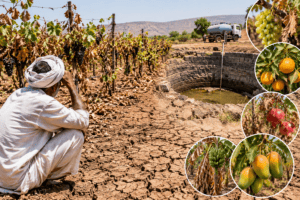
Maharashtra Drought Crisis: 5,000 Hectares of Orange Orchards Destroyed, Grapevines Wither