



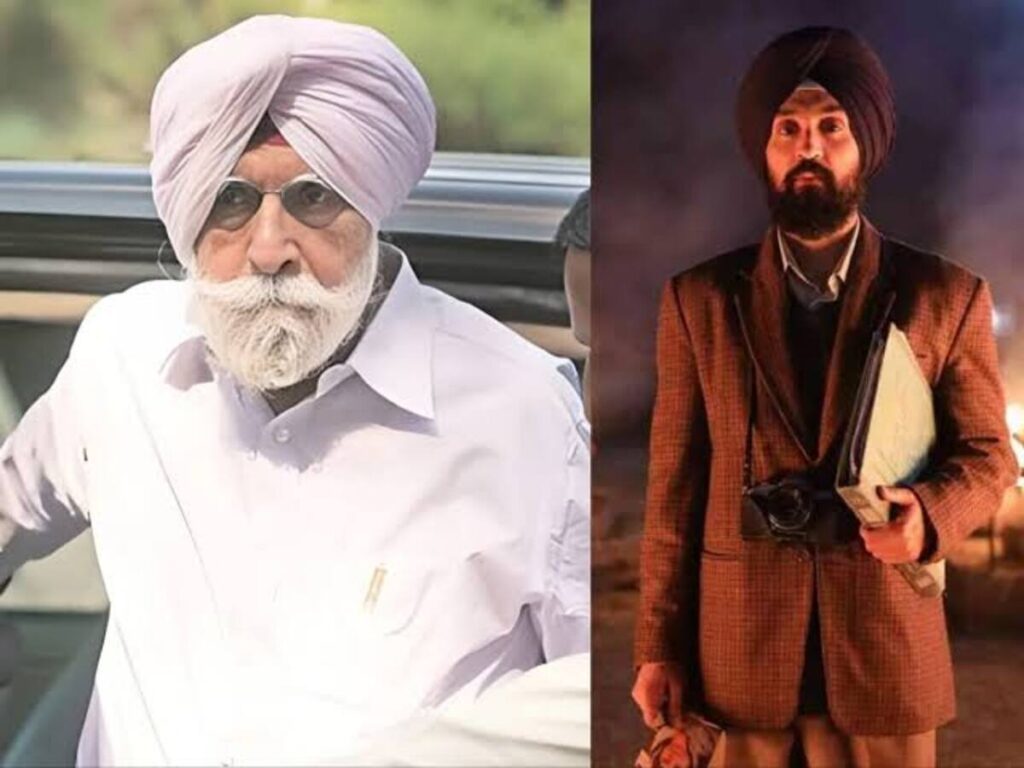
Former Punjab Police chief KPS Gill has returned to public attention because of the controversy surrounding actor-singer Diljit Dosanjh’s film Satluj, earlier titled Punjab ’95. The film tells the story of human rights activist Jaswant Singh Khalra, who exposed alleged secret cremations during Punjab’s anti-militancy operations before his abduction in 1995. Reports of censorship, the absence of a theatrical release, and the film’s removal from an OTT platform have reignited debate over Gill’s legacy. Supporters continue praising him for restoring peace in Punjab, while critics question the methods used during the state’s fight against militancy. The controversy has once again brought his career and actions into the national spotlight.
Also Read : Rajkumar Hirani’s Pritam And Pedro Becomes This Weekend’s Most-Watched Streaming Show
KPS Gill’s Rise as Punjab’s ‘Supercop’ During the Anti-Militancy Campaign
KPS Gill was born in Ludhiana, Punjab, in 1934 and completed his education at Punjab University before joining the Indian Police Service in 1958 through the Assam-Meghalaya cadre. He began his policing career in Assam and gained recognition during the Assam Agitation for his firm approach to law enforcement. However, his tenure also attracted criticism after student leader Khargeshwar Talukdar died during a police crackdown on protesters in 1979. Despite the controversy, Gill continued serving in senior positions and built a reputation as a tough police officer. His experience in Assam later shaped his approach to handling insurgency in Punjab.
Gill assumed charge as Punjab’s Director General of Police when the Khalistani insurgency posed a major security challenge across the state. He strengthened intelligence networks, expanded local policing, and launched aggressive counter-insurgency operations against militant groups. His leadership during Operation Black Thunder II helped security forces regain control of the Golden Temple while limiting structural damage. Violence gradually declined under his command, and Punjab witnessed a return to stability by the mid-1990s. Many supporters credited Gill’s leadership with defeating militancy and restoring public confidence in the state’s security system.
Why Punjab ’95’ Has Revived the Debate Over Gill’s Controversial Legacy
Human rights organisations, however, strongly criticised Gill’s tenure and accused Punjab Police of fake encounters, custodial killings, and enforced disappearances during anti-militancy operations. The biggest controversy involved Jaswant Singh Khalra, who documented alleged illegal cremations before unidentified men abducted him outside his Amritsar residence in 1995. A CBI investigation later concluded that Khalra was murdered, and courts convicted several Punjab Police officials for their roles in the crime. Gill repeatedly denied any involvement, and no court convicted him in the case. Nevertheless, the allegations continued influencing public opinion about his legacy.
Gill retired from the Punjab Police in December 1995 after receiving multiple service extensions because of Punjab’s security situation. He later founded the Institute of Conflict Management and regularly wrote about terrorism, policing, and national security. In 1996, he faced another setback after a court convicted him in a sexual harassment case involving IAS officer Rupan Deol Bajaj. Gill remained active in public life until his death in 2017. Today, the renewed attention surrounding Satluj and Punjab ’95 has revived the long-running debate over whether KPS Gill should be remembered as the officer who ended militancy or as a controversial figure whose methods continue to divide public opinion.
Also Read : Rajkumar Hirani’s Pritam And Pedro Becomes This Weekend’s Most-Watched Streaming Show



More Stories
Will Trump’s Russia Oil Move Make Petrol and Diesel Cheaper in India?
1050 फीट गहरे बोरवेल में गिरा 9 साल का बच्चा, 39 घंटे बाद मौत
Prakash Raj Says India Is Neither Bangladesh Nor Nepal, Calls for Democratic Regime Change