





ISRO is facing rising resignations and voluntary retirement requests from experienced scientific and technical personnel.
The government introduced stricter scrutiny to discourage departures and protect critical national space programmes. A Department of Space memorandum instructed officials against routinely approving resignation or retirement requests. The directive specifically covers scientists working on Gaganyaan and other strategically important missions until project completion. Authorities believe continued departures could seriously disrupt implementation of nationally significant space exploration and technology programmes. India simultaneously pursues ambitious goals, including Gaganyaan, future Chandrayaan missions, an Indian space station, and lunar landings. Centre Directors must forward sensitive resignation requests with recommendations instead of granting immediate approvals independently.
Examining the Reasons Behind Recent ISRO Departures
The rule mainly affects experienced Group A scientists managing advanced technologies, mission systems, and technical teams. Reports indicate several senior scientists recently resigned from Bengaluru’s UR Rao Satellite Centre and other facilities. Officials attribute some departures to workplace concerns, while others accepted attractive opportunities within India’s private space industry. Experts argue authorities should investigate underlying causes and improve working conditions instead of restricting employee exits. ISRO’s leadership has not publicly explained the memorandum or addressed concerns surrounding increasing workforce attrition. Staffing shortages continue because recruitment has failed to match resignations, retirements, and expanding organisational responsibilities.
Impact of Consecutive PSLV Failures on ISRO
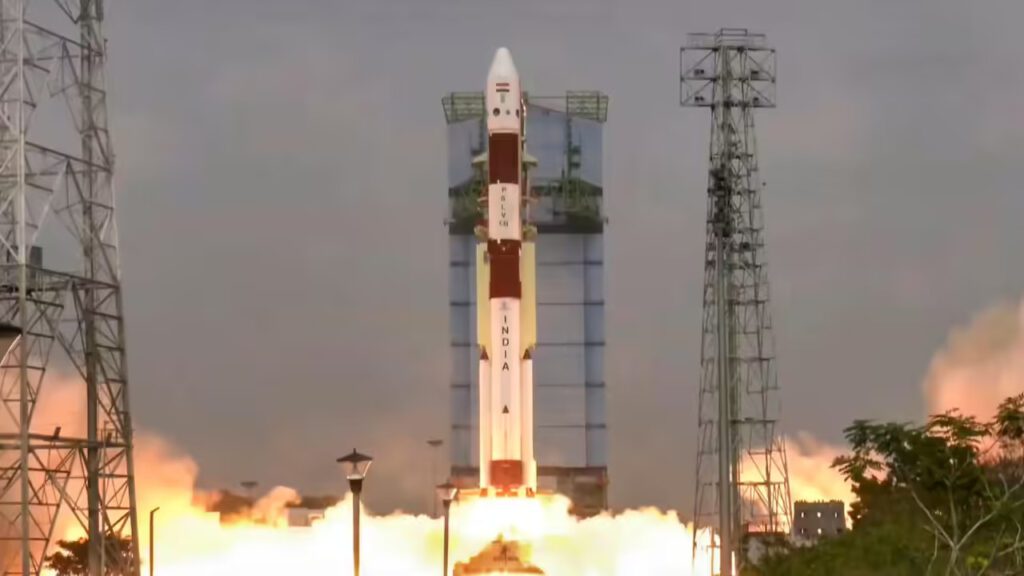
Parliamentary figures reveal significant vacancies across scientific, technical, and administrative positions, affecting institutional capacity and efficiency. ISRO also experienced consecutive PSLV mission failures, delaying launches and increasing uncertainty about future operations. The government encourages private participation through technology transfers, creating additional career opportunities for experienced scientists. Despite announcing thirteen launches during 2026–27, ISRO has not completed any successful missions within that timeframe. Rising attrition, staffing shortages, mission setbacks, and organisational uncertainty collectively challenge India’s ambitious long-term space exploration objectives.
Also Read : EV Battery Suspected Behind Noida Building Fire; 2 Dead, 50 Families Rescued Safely




More Stories
Jio Platforms IPO Sets Global Record With Over 1 Crore Applications
Maharashtra Man Chased, Run Over and Beaten to Death on Busy Road; CCTV Captures Brutal Murder
Jio Platforms IPO में निवेशकों की भारी दिलचस्पी, तीसरे दिन सब्सक्रिप्शन 6 गुना के पार पहुंचा