





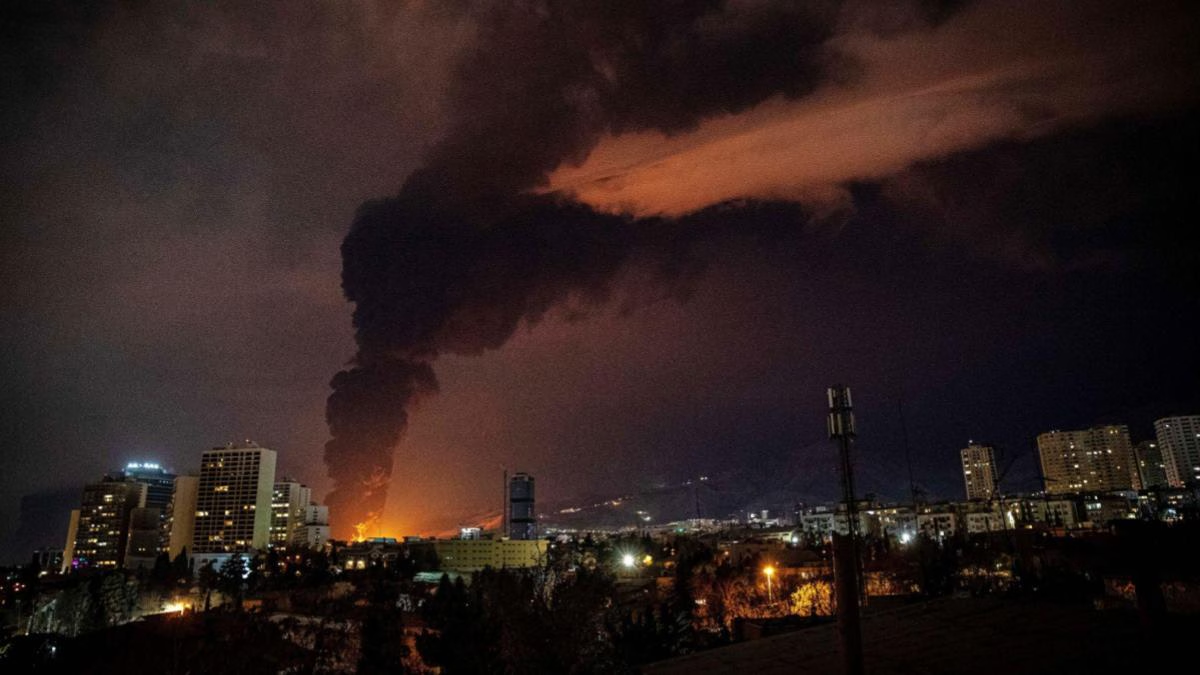
Iran: Even if the conflict in the Middle East ends within the next two weeks, experts believe the global energy market will continue to face major disruptions for several more weeks. US President Donald Trump recently suggested that the war could end quickly, but analysts warned that oil exports, shipping activity and fuel prices will not return to normal immediately.
The main reason behind these concerns is the closure of the Strait of Hormuz, which handles nearly one-fourth of the world’s seaborne crude shipments. Iran’s blockade of the route has already disrupted tanker traffic and slowed oil exports across the Gulf region.
Experts said that even if the fighting stops now, oil producers would still need several weeks to clear stored reserves, restart damaged facilities and send tankers back into operation. In many cases, rebuilding damaged infrastructure could take months, especially if major processing units suffered direct attacks.
Also Read: ATF Rates Jump 8.5%; Government Limits Increase to Ease Impact on Flyers
Iran War May End Soon but Recovery Will Take Longer
Several energy analysts believe the market would need at least six to eight weeks before any normalisation begins. They explained that oil producers first need to move the large amount of stored crude onto ships before they can fully restart production.
In addition, repair work on damaged energy infrastructure may create further delays. Minor drone damage could be fixed within days or weeks. However, if major refineries, pipelines or processing facilities suffered heavy damage, companies could spend several months rebuilding them.
At the same time, shipping activity across the Gulf will also need time to recover. Iran reportedly placed mines near important sea routes, making it dangerous for oil tankers to return immediately. Authorities may need weeks to clear mines, remove damaged vessels and restore safe passage for commercial shipping.
Another major issue involves freight and insurance costs. Charter rates for very large crude carriers surged sharply during the conflict, while marine insurance premiums also increased. Experts believe shipping companies will only reduce those costs after they see safe tanker movement through the Strait of Hormuz for several weeks.
Rising Costs and New Threats Could Delay Recovery
Iran’s conflict has already pushed global oil prices higher and created pressure on fuel markets across Europe, Asia and the United States. Benchmark crude prices crossed the 100-dollar mark during the worst phase of the crisis, while gasoline and gas prices also increased in several countries.
If the conflict continues beyond the next two weeks, recovery timelines could stretch much further. Analysts estimate that every additional week of fighting may add another one or two weeks to the recovery process for oil supplies, shipping and fuel prices.
Another risk comes from Yemen’s Houthi rebels, who may target shipping routes near the Bab al-Mandab Strait. If that route also becomes unsafe, the global oil market could face a second major disruption.
India has managed to limit the immediate impact by relying on strategic reserves and alternative oil suppliers. However, smaller Asian countries such as Pakistan, Bangladesh and Sri Lanka have already started facing fuel shortages and higher prices because of the ongoing crisis.



More Stories
‘No Adjudication’: Supreme Court Clarifies It Has Neither Approved Nor Rejected New Form 6
CJP आंदोलन पर हरीश साल्वे का बड़ा दावा, बोले- भारत में नेपाल और बांग्लादेश जैसे हालात बनाने की कोशिश
दिल्ली में विपक्ष के मार्च के बीच BJP का प्रदर्शन, कांग्रेस सांसद पर यौन शोषण का गंभीर आरोप, बांसुरी स्वराज ये बोलीं