




Just 300 metres from Kutul village, a quiet stream flows through Abujhmad dense sal forests every season. During summer and winter, villagers cross the stream easily without facing any major difficulty or danger.
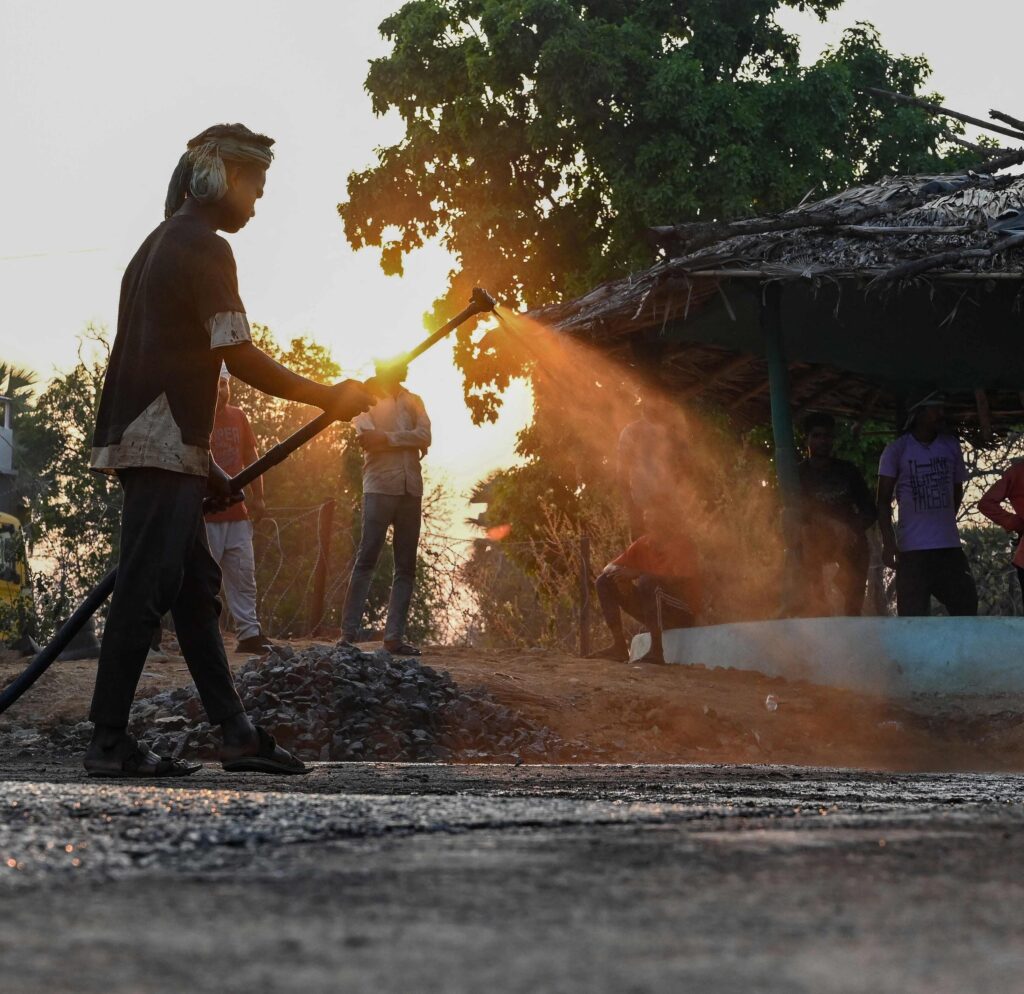
Monsoon rains quickly transform the gentle stream into a powerful river, isolating villages for several weeks annually. Workers have started surveying and laying foundations for a permanent concrete bridge near the crossing point already. Nearby, villagers and security personnel jointly constructed a temporary wooden bridge using sal logs, bamboo, and supports. Similar construction activities now continue across Abujhmad before heavy monsoon rains disrupt transportation and communication routes.
Also Read:US-Iran Talks Resume After Military Pause
Villagers and security forces have completed 53 temporary bridges across streams throughout the remote forested region together. These structures will maintain connectivity until authorities complete sanctioned permanent concrete bridges during the coming year. The collaborative effort has improved mobility, strengthened local confidence, and prepared isolated settlements for the challenging monsoon season.
Abujhmad Temporary Bridges Link Remote Villages
Abujhmad covers nearly 4,000 square kilometres across Narayanpur, Bijapur, and Dantewada districts of Chhattisgarh’s forest region. Nearly 60,000 tribal residents live in 233 villages scattered across difficult hills and dense forest landscapes. Officials have started the region’s first revenue survey since independence, marking an important administrative milestone recently. Villagers worked alongside district police and Indo-Tibetan Border Police personnel to construct temporary bridges before monsoon arrived. Authorities selected strategic routes, including Kutul-Kodnar, Kudmel-Kumanar, Orcha-Lanka, Kutul-Gobe, and Garpa-Kakur-Balebeda, for immediate connectivity improvements.
Officials confirmed that contractors have already begun constructing permanent bridges across most identified stream crossings recently. Temporary bridges will support transportation until permanent structures become fully operational during the next construction cycle. These initiatives ensure uninterrupted access to villages despite heavy rainfall, flooded streams, and difficult forest terrain conditions.
Residents believe the bridges symbolize lasting change after decades of isolation caused by conflict and poor infrastructure. Villager Ramu Ram Wadde recalled crossing flooded streams by swimming because bridges never existed previously there.
Although temporary, these 53 bridges have already transformed connectivity and strengthened relationships between remote tribal communities and government institutions.
Also Read:Fuel Price Update: New Petrol, Diesel and CNG Rates Released



More Stories
अहमदाबाद के गरबा पंडाल में पहचान छिपाकर घुसने के आरोप में दो युवक पकड़े गए
Supreme Court Delivers Major Victory to Yes Bank Bondholders
Indian startup ready to launch petrol pump in space, test refuelling outside Earth