


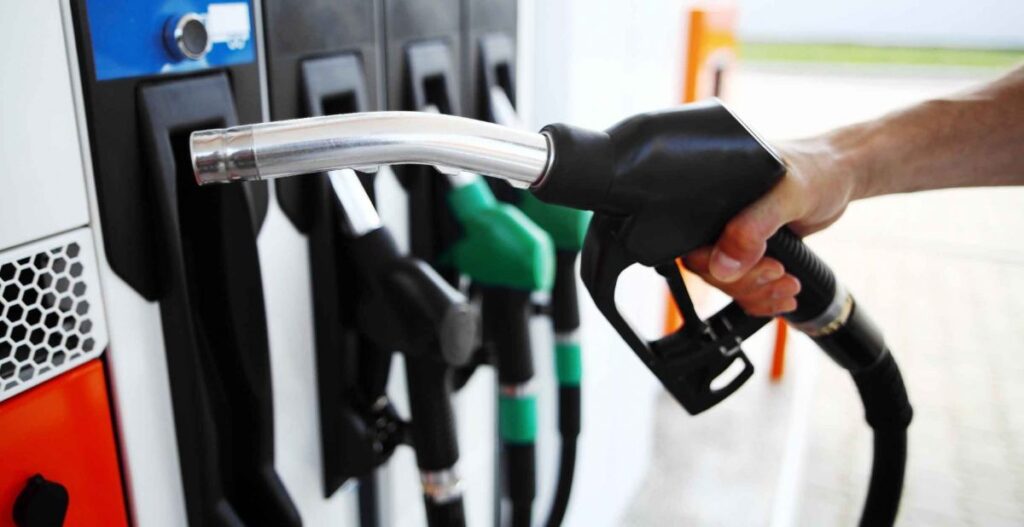
Bhutan has refused India’s proposal to supply E20 ethanol-blended petrol across the country. The decision comes as India expands its ethanol-blending programme to reduce fuel imports and emissions. Instead, Bhutan has requested regular petrol from Indian Oil Marketing Companies. Officials said the country’s existing fuel infrastructure cannot safely handle ethanol-blended petrol. The move has attracted attention because India is promoting E20 fuel nationwide despite ongoing debates over vehicle performance.
Also read: Over ₹9,300 Crore Unclaimed in 31 Lakh EPF Accounts Across India
Why Bhutan Rejected E20 Petrol
Bhutan’s biggest concern is its ageing underground fuel storage tanks. Authorities said these tanks are vulnerable to water seepage, which can affect fuel quality. Ethanol easily absorbs moisture, unlike conventional petrol. Once water mixes with E20 fuel, separating it becomes extremely difficult. Officials warned that contaminated fuel may damage engines and increase corrosion inside storage tanks and pipelines.
Bhutan’s mountainous geography also influenced the government’s decision. Most fuel depots are located in humid regions where condensation remains a constant challenge. Vehicles travelling on steep roads require reliable engine performance and consistent fuel quality. Authorities fear water-contaminated E20 fuel could reduce efficiency under demanding driving conditions. Therefore, Bhutan believes conventional petrol remains the safer option for now.
Mountain Terrain and Infrastructure Drive Decision
Bhutan has asked Indian Oil Marketing Companies to continue supplying normal petrol until infrastructure improves. It has also requested advance notice before India introduces higher ethanol blends like E25. Officials further asked for leak-proof fuel storage systems to prevent moisture contamination. These measures would help Bhutan prepare for ethanol-blended fuels in the future. Until then, the country prefers avoiding unnecessary operational risks.
Bhutan’s decision highlights that clean fuel policies cannot follow a one-size-fits-all approach. Every country must consider its climate, geography, and infrastructure before adopting new fuel standards. While India continues expanding ethanol blending, Bhutan has chosen a more cautious path. The decision reflects practical concerns rather than opposition to cleaner fuels. Experts say successful fuel transitions require both modern infrastructure and local readiness.
Also read: Over ₹9,300 Crore Unclaimed in 31 Lakh EPF Accounts Across India
More Stories
CJP आंदोलन पर हरीश साल्वे का बड़ा दावा, बोले- भारत में नेपाल और बांग्लादेश जैसे हालात बनाने की कोशिश
दिल्ली में विपक्ष के मार्च के बीच BJP का प्रदर्शन, कांग्रेस सांसद पर यौन शोषण का गंभीर आरोप, बांसुरी स्वराज ये बोलीं
राहुल के प्रदर्शन से पहले दिल्ली पुलिस अलर्ट, सुरक्षा के किए कड़े इंतजाम