




The international community has closely monitored the ceasefire, with several countries urging both sides to maintain restraint. Global leaders have emphasized the importance of keeping the Strait of Hormuz open due to its critical role in global oil supply. Any disruption in this route could significantly impact energy prices and economic stability worldwide. Diplomatic channels have remained active as nations push for a broader and more permanent resolution. Many countries have also offered support for dialogue to prevent further escalation. The ceasefire has provided a brief window for diplomacy to take priority over conflict.
Tensions, however, remain high on the ground as both sides continue to maintain military readiness. The US has kept its forces positioned in the region to respond quickly if the agreement collapses. Iran has also indicated that it will closely monitor compliance with the ceasefire conditions. Any violation from either side could trigger a rapid return to hostilities. Analysts believe that mutual distrust continues to pose a major challenge. The fragile nature of this agreement makes the situation unpredictable.
Economic factors have also played a significant role in pushing both sides toward a temporary truce. Rising oil prices and disruptions in shipping routes have created pressure on global markets. Countries dependent on Gulf oil exports have expressed concern over prolonged instability. The reopening of the Strait of Hormuz has already brought some relief to shipping and trade sectors. However, uncertainty still looms as businesses remain cautious. A long-term agreement could stabilize markets and restore confidence.
Also Read: Royal Enfield Flying Flea C6 India Launch on April 10
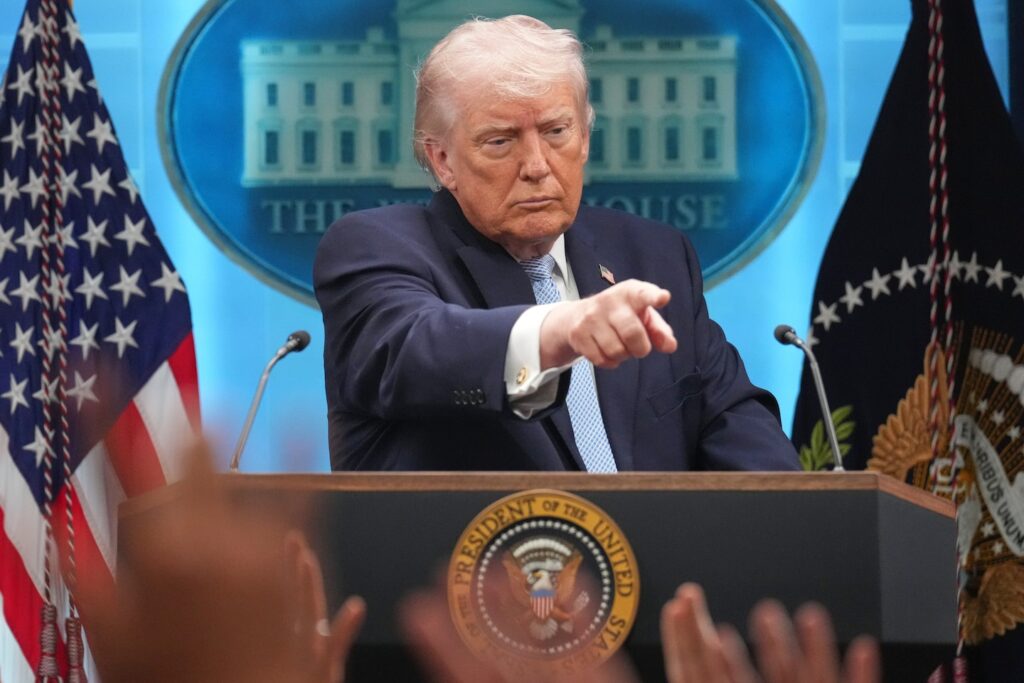
US–Iran ceasefire eases tensions
Meanwhile, humanitarian concerns have grown as the conflict has affected civilians across multiple regions. Ongoing military actions have displaced communities and disrupted essential services. Aid organizations have called for immediate access to affected areas to provide relief. The ceasefire offers an opportunity to deliver humanitarian assistance and assess damage. International agencies continue to urge both sides to prioritize civilian safety. The situation remains critical in several conflict-affected zones.
Diplomatic experts believe that upcoming talks in Islamabad could shape the future of this conflict. These discussions aim to address deeper issues beyond the immediate ceasefire. Key topics may include security guarantees, sanctions relief, and regional stability. Both sides will need to show flexibility to reach a meaningful agreement. Past negotiations have failed due to sudden escalations, making trust-building essential. The outcome of these talks could determine whether peace efforts succeed or fail.
As the two-week deadline approaches, attention will focus on whether both nations honor their commitments. Observers expect increased diplomatic activity during this period. Any progress in negotiations could pave the way for an extended ceasefire or a permanent deal. However, setbacks could quickly reverse the situation and reignite conflict. The coming days will test the willingness of both sides to move toward peaceful resolution. For now, the ceasefire remains a temporary but crucial step toward de-escalation.

More Stories
CJP आंदोलन पर हरीश साल्वे का बड़ा दावा, बोले- भारत में नेपाल और बांग्लादेश जैसे हालात बनाने की कोशिश
दिल्ली में विपक्ष के मार्च के बीच BJP का प्रदर्शन, कांग्रेस सांसद पर यौन शोषण का गंभीर आरोप, बांसुरी स्वराज ये बोलीं
राहुल के प्रदर्शन से पहले दिल्ली पुलिस अलर्ट, सुरक्षा के किए कड़े इंतजाम