





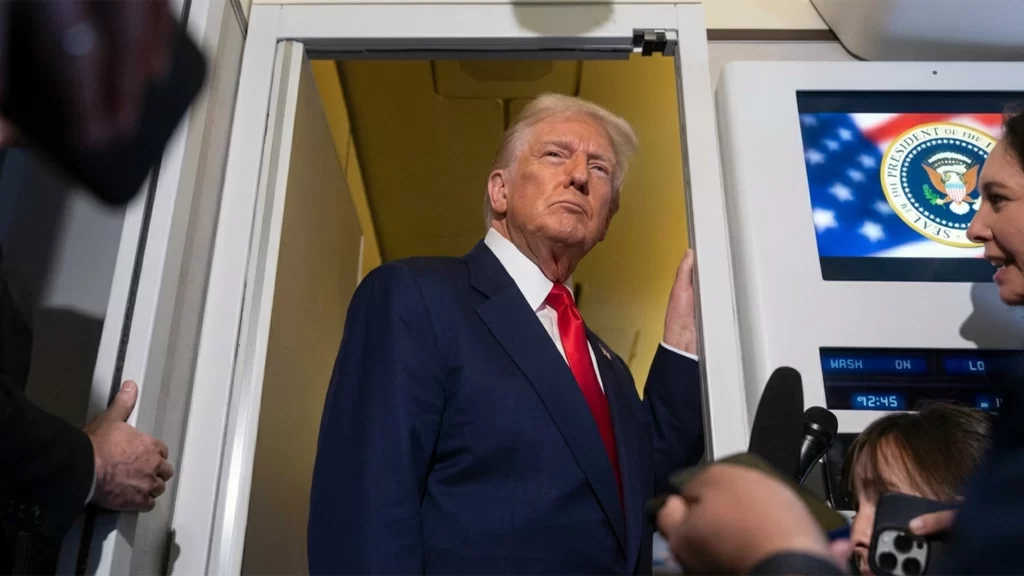
US President Donald Trump strongly criticised the Senate after lawmakers approved a resolution that would limit further US military action against Iran without congressional approval. Trump argued that the move weakened his administration’s negotiating position with Tehran and accused several Republican senators of working against his efforts.
Writing on Truth Social, Trump called the resolution a “poorly timed and meaningless” war powers measure. He claimed that Iran was already under pressure and willing to offer significant concessions to the United States. Trump said the Senate vote complicated ongoing diplomatic efforts and made it harder for his administration to secure a favourable deal. However, he insisted that he would still achieve his objectives.
Also read:Keir Starmer announces resignation, marking sixth UK PM exit in 10 years
Trump calls the war powers resolution ‘meaningless’ and vows to continue pursuing a deal with Tehran.
The Republican-controlled Senate passed the resolution by a 50–48 vote. Four Republican senators—Susan Collins, Rand Paul, Bill Cassidy, and Lisa Murkowski—joined Democrats in supporting the measure. The resolution seeks to block any further military escalation with Iran unless Congress specifically authorises such action. While the measure carries mostly symbolic value, it challenges Trump’s foreign policy approach and his authority to make military decisions.
The vote exposed divisions within the Republican Party over presidential war powers and America’s role in overseas conflicts. Supporters argued that the Constitution gives Congress the authority to decide when the nation goes to war and said lawmakers must take a more active role in such decisions. They viewed the resolution as an important step toward strengthening congressional oversight.
The White House dismissed the measure, arguing that it carries no legal force and cannot restrict the president’s constitutional powers as commander-in-chief. Legal experts also noted that previous court rulings have left unanswered questions about whether such resolutions can take effect without presidential approval.
The Senate vote comes as Washington continues diplomatic discussions with Tehran and as public concern grows over the costs and risks of military conflict. Supporters believe the resolution could increase political pressure on the administration and make it more difficult to launch future military action without broader backing. The debate may also shape congressional review of any future peace or nuclear agreement with Iran, ensuring lawmakers play a larger role in determining US policy toward Tehran.
Also read: Bank of India Gets Relief as UK Court Asks Nirav Modi to Repay ₹100 Crore




More Stories
Jio Platforms IPO Sets Global Record With Over 1 Crore Applications
Maharashtra Man Chased, Run Over and Beaten to Death on Busy Road; CCTV Captures Brutal Murder
Jio Platforms IPO में निवेशकों की भारी दिलचस्पी, तीसरे दिन सब्सक्रिप्शन 6 गुना के पार पहुंचा