





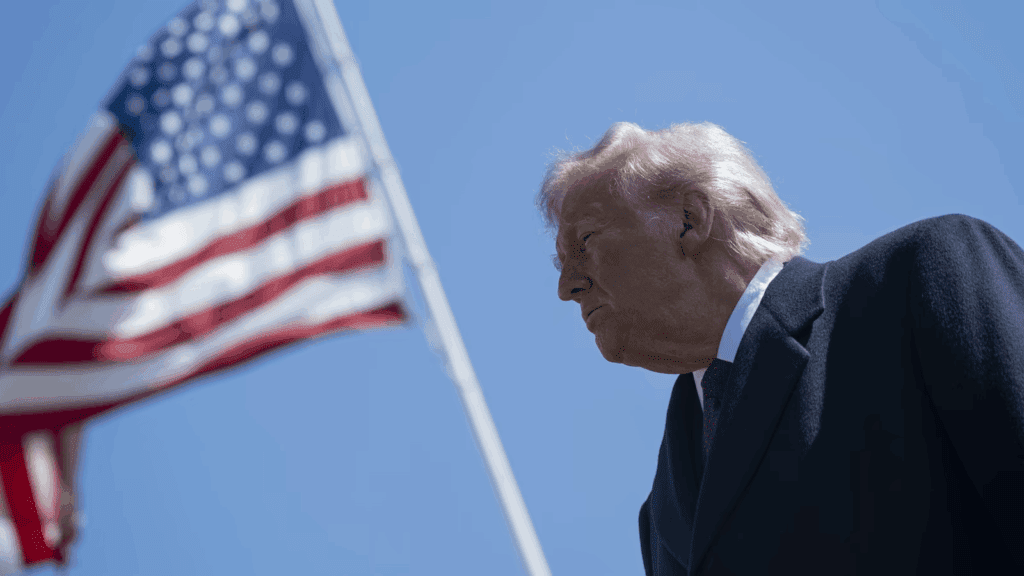
In the third week of the joint US–Israeli conflict with Iran, Donald Trump faces decisions that could shape the remainder of his presidency. He must choose between expanding military involvement or limiting US engagement, both of which carry serious consequences. Although the situation appears complex and potentially uncontrollable, Trump has not shown these concerns publicly. His outward confidence contrasts with the growing uncertainty surrounding the war’s direction. The coming weeks may prove critical in determining both military and political outcomes.
Trump continues to speak at length on a wide range of topics, maintaining his characteristic unscripted style. During recent public remarks, he addressed not only the war but also domestic issues and unrelated subjects. Over the weekend, he spent time at his Florida resort and remained active on social media. His attention appeared divided between the Iran conflict and other political matters. Despite this, the war increasingly demands his focus and leadership.
The US administration has already begun adjusting its plans due to the conflict. Trump delayed a scheduled diplomatic visit to China, prioritizing the ongoing military operation. At the same time, he called for international support to secure the Strait of Hormuz, a crucial global oil route. However, several major countries have declined to join the proposed coalition. This leaves the US with the difficult choice of acting alone or limiting its involvement.
Also Read: India receives first oil shipment through Strait of Hormuz amid Iran-US war
Trump faces rising Iran war risks
Trump must now decide whether to increase US military presence in the region. Reports indicate that additional American forces, including Marines, are moving closer to the Middle East. A stronger military response could improve control over strategic areas but also expose US troops to greater risks. On the other hand, a limited approach may fail to fully eliminate threats, particularly to global oil supply routes. Both options present significant strategic challenges.
The political impact of the conflict also remains uncertain. Rising energy prices could harm Trump’s standing among voters, especially as living costs remain a major concern. While his core supporters continue to back him, some moderate voters have shown signs of shifting away. If fuel prices remain high, public dissatisfaction could grow. Economic pressure may ultimately influence how the administration proceeds.
At the same time, expanding military action carries its own domestic risks. Many Americans remain wary of prolonged foreign conflicts and oppose sending ground troops. Increasing US involvement could trigger public backlash and intensify political divisions. However, limiting operations may allow Trump time to stabilize his political position. As the situation evolves, he must balance military objectives with economic and public concerns, knowing that every decision involves considerable risk.
Also Read: US Jets Hit Military Facilities Close to Iran’s Chabahar Trade Zone: Report




More Stories
एआई कोर्स दिलाएं बेहतर करियर और ऊंची सैलरी
रोहित शेट्टी फायरिंग केस: आरोपी प्रवीण लोनकर न्यायिक हिरासत में
Delhi HC content case: Court orders post deletion