



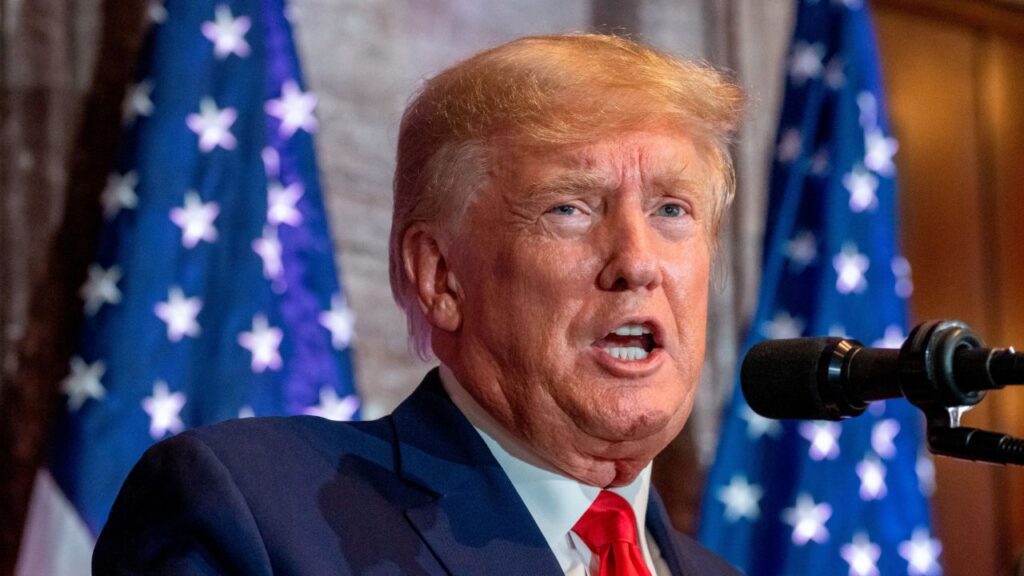
The United States began Tuesday with intense diplomatic activity in Washington as officials prepared for another round of peace talks with Iran. Authorities planned to send Vice President JD Vance to Islamabad aboard Air Force Two to advance negotiations. However, officials delayed the flight and postponed the talks after uncertainty grew about Iran’s participation. President Donald Trump decided to extend the ceasefire with Iran to allow more time for a unified proposal. He aimed to create space for negotiations instead of escalating tensions. This move reflected a cautious and strategic approach.
Throughout the day, Trump reviewed military and diplomatic options while the world closely monitored the situation. He chose not to escalate the conflict and instead extended negotiations for the second time in recent weeks. Officials remained uncertain because Vance did not formally confirm the Islamabad visit. Iran also did not clearly commit to attending the talks, which complicated US decisions. Senior officials like Steve Witkoff and Jared Kushner returned to Washington instead of traveling to Pakistan. These developments signaled delays and uncertainty in the process.
As discussions continued, Vance attended policy meetings at the White House with Trump and senior advisers. The administration debated its next steps and considered multiple outcomes. Trump eventually confirmed the ceasefire extension and said Pakistan requested more time for mediation. He stated that the US would pause military action while Iran worked on a unified proposal. Unlike earlier announcements, he did not set a specific deadline for the ceasefire. This decision added flexibility but also increased uncertainty.
Also Read: Doctors Stir Today as BMC Fails to Implement Revised DA
Trump buys time in Iran crisis
Experts viewed Trump’s strategy as a combination of pressure and diplomacy to resolve the conflict. Observers noted that he adopted a more measured tone compared to his earlier statements. Many believe he wants to reduce economic impact and address concerns within his political base. However, critics argued that the move created uncertainty about how long the conflict might continue. They also pointed out that key economic and political challenges remain unresolved. This situation continues to influence both domestic and global responses.
Despite the ceasefire extension, significant obstacles still block a lasting agreement between the US and Iran. Iran continues to oppose the US blockade of the Strait of Hormuz and considers it an act of war. At the same time, the US demands limits on Iran’s nuclear program and its support for regional groups. Neither side has shown clear willingness to compromise on these major issues. As a result, Trump has gained more time, but a quick resolution remains unlikely. The conflict continues without a clear end in sight.
Also Read: Can the UK rebuild its bridge with Europe after Brexit



More Stories
Jio Platforms IPO Sets Global Record With Over 1 Crore Applications
Maharashtra Man Chased, Run Over and Beaten to Death on Busy Road; CCTV Captures Brutal Murder
Jio Platforms IPO में निवेशकों की भारी दिलचस्पी, तीसरे दिन सब्सक्रिप्शन 6 गुना के पार पहुंचा