





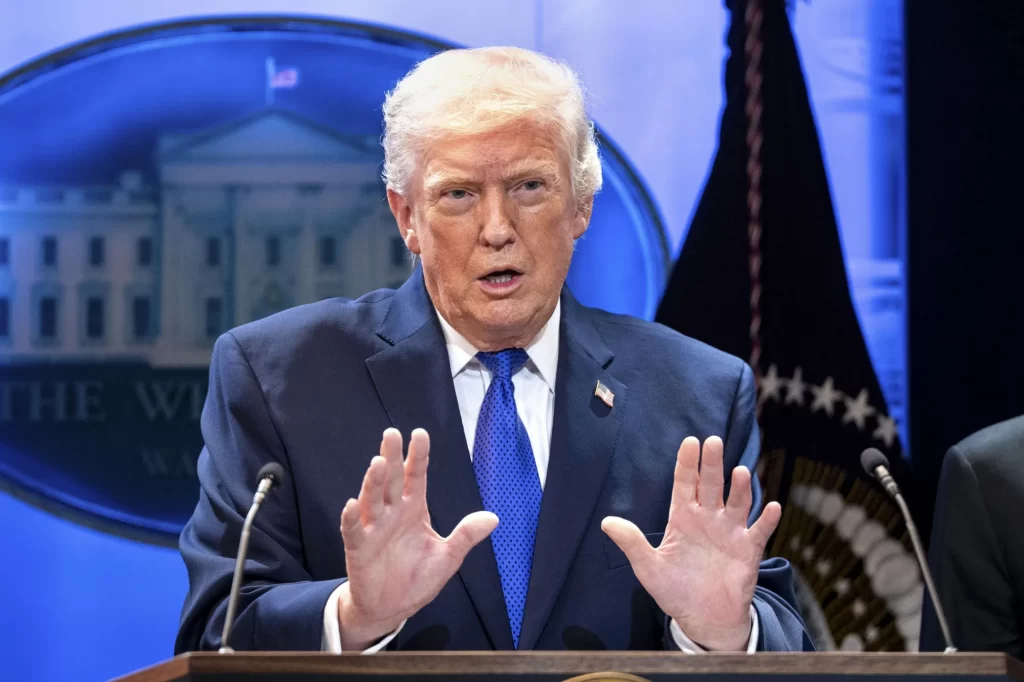
The tariff ban has shifted the global trade landscape and given fresh momentum to emerging economies. Countries once hit hardest by President Donald Trump’s trade measures are now gaining ground after the US Supreme Court struck down his emergency duties. China, India, and Brazil benefit the most after the court ruled that Trump misused the International Emergency Economic Powers Act to impose levies. The ruling lowers tariff rates on shipments to the United States.
Also Read: U.S. Military Build-Up Fuels Fresh Student Unrest Across Iran
Although Trump later proposed a flat 15% global tariff, analysts estimate the effective average rate may fall to around 12%. That would mark the lowest level since the “Liberation Day” tariffs were announced in April. The tariff ban continues to reshape trade expectations and rebalance opportunities for key global exporters.
Tariff Ban Reshapes Global Trade
The tariff ban reduces pressure on Asian exporters. Economists at Morgan Stanley estimate that Asia’s weighted average tariff rate will drop from 20% to 17%. Tariffs on Chinese goods may decline from 32% to 24%. China also benefits from the removal of a 10% fentanyl-related tariff. This move gives Chinese exporters better access to US markets.
However, uncertainty remains. The Trump administration plans to introduce sector-specific and economy-focused duties to rebuild its trade framework. Even so, analysts believe the worst phase of tariff uncertainty has passed. The tariff ban has restored a sense of balance among US trade partners and eased immediate tensions.
Key Winners and Economies Facing Setbacks
The tariff ban creates clear winners and losers. China, India, Brazil, Canada, and Mexico stand to gain from lower or removed levies. Canada and Mexico may also benefit if exemptions under the United States–Mexico–Canada Agreement remain intact.
On the other hand, countries like the UK and Australia lose the advantage they previously negotiated under the 10% reciprocal tariff framework. Japan also sees its earlier competitive 15% rate lose significance under the new structure.
Financial markets reacted quickly. The US dollar and futures tied to the S&P 500 slipped amid policy uncertainty, while Chinese stocks in Hong Kong rallied. Economists at Goldman Sachs Group predict that imports from countries benefiting from the tariff ban will rise in the coming months. Still, they expect the overall impact on US GDP to remain limited as trade flows adjust and stabilize.
Also Read: British Royal Taken Into Custody Amid Public Office Allegations




More Stories
कौन हैं मोजतबा ख़ामेनेई, जिन्हें अगल सुप्रीम लीडर माना जा रहा है
RSP Leads Nepal Election 2026
AIIMS जोधपुर से पढ़ाई, UPSC में टॉप कर बने मिसाल अनुज अग्निहोत्री