




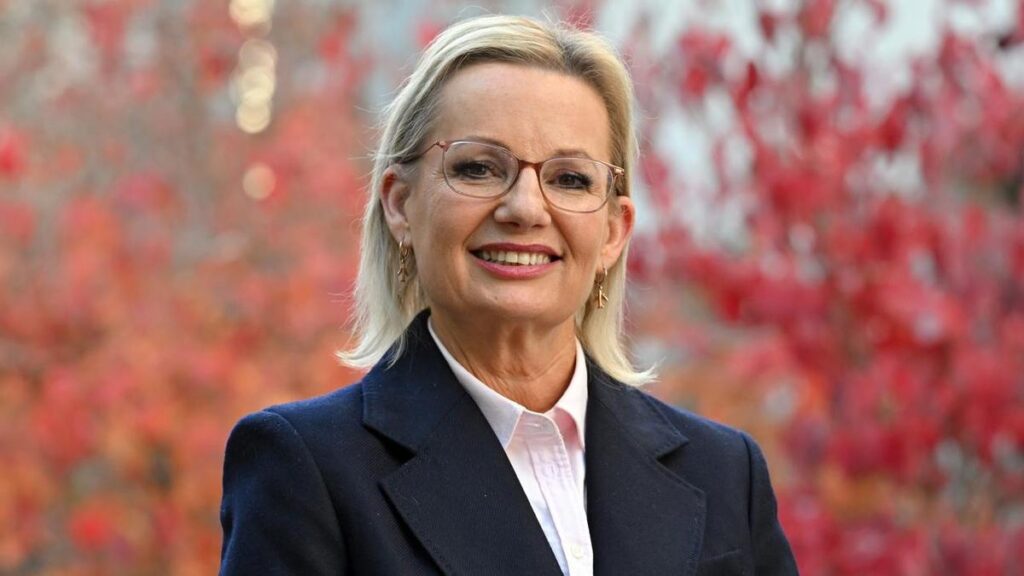
When Sussan Ley became the first women to lead Australia’s Liberal Party, she called it a defining moment for the party. Supporters said she had shattered the glass ceiling that long kept women from the top job. Critics, however, argued she had stepped onto a “glass cliff” — a leadership role handed over during crisis. The party had just suffered a historic election defeat and faced deep internal divisions. Many believed the risks attached to the role were enormous from the start. Within a year, her leadership came under serious threat.
Party tensions intensified as Angus Taylor challenged Ley’s authority. He argued that she could not revive the opposition’s political fortunes and won the leadership ballot decisively. Senator Jane Hume became his deputy, marking a swift change at the top. Ley’s allies insisted she never received a fair chance to prove herself. Opponents countered that performance, not gender, determined her fate. The leadership spill reignited debate about gender bias in Australian politics.
Read Also: Jeet Adani unveils coal gasification, MRO growth plans.
Women Leadership Faces Fresh Test in Australian Politics
Whoever led the Liberals after their crushing defeat faced a daunting task. The new leader had to unite fractured party factions and manage strained ties with the National Party. They also needed to rebuild policies rejected by voters and reconnect with urban electorates. At the same time, the party had to repair its damaged reputation among women after past allegations of misogyny. Balancing conservative and moderate wings proved especially difficult. These pressures defined Ley’s short tenure.
Ley presented herself as a unifying moderate with strong rural credentials and long parliamentary experience. She promised consultation rather than unilateral decisions and pledged to listen on climate policy. However, internal resistance forced her to retreat from key commitments, including the net-zero target by 2050. Critics accused her of lacking firm conviction on major issues. Her approval ratings declined sharply, and internal dissent grew louder. The leadership instability exposed deeper structural tensions within the party.
Australia has improved female representation in parliament over the years, but women remain rare at the very top. Julia Gillard remains the only other woman to lead a major Australian party. While Labor has increased female participation through quotas, the Coalition continues to resist them. Female independents have filled some of the representation gap in traditionally Liberal seats. The episode surrounding Ley has renewed questions about whether structural barriers still shape leadership pathways. Many observers argue that true gender equality in Australian politics remains unfinished business.
Read Also: UK Nutritionist Suggests Simple Coffee Add-In for Heart Health



More Stories
AIIMS जोधपुर से पढ़ाई, UPSC में टॉप कर बने मिसाल अनुज अग्निहोत्री
IAF Fighter Jet Crash in Karbi Anglong Kills Two Pilots
Nitish Kumar’s Rajya Sabha Decision Triggers Unease In JD(U), Leaders Seek Review