



Qatar faces a major energy crisis after recent military strikes significantly disrupted its liquefied natural gas exports, raising concerns about global supply chains and economic stability. The ongoing conflict involving Iran has directly impacted key energy infrastructure in Qatar, forcing authorities to reassess production capacity and long-term export commitments. As a result, analysts believe the disruption could affect multiple industries and countries that depend heavily on Qatari energy supplies.
According to officials, the attacks damaged critical LNG facilities, which has reduced nearly 17 percent of Qatar’s export capacity. Energy experts estimate that the financial losses could reach billions annually, while repairs to the damaged infrastructure may take several years to complete. This situation has created uncertainty for global markets, especially in regions that rely on consistent LNG shipments.
Also Read: India receives first oil shipment through Strait of Hormuz amid Iran-US war
Qatar LNG Supply Faces Long-Term Disruption
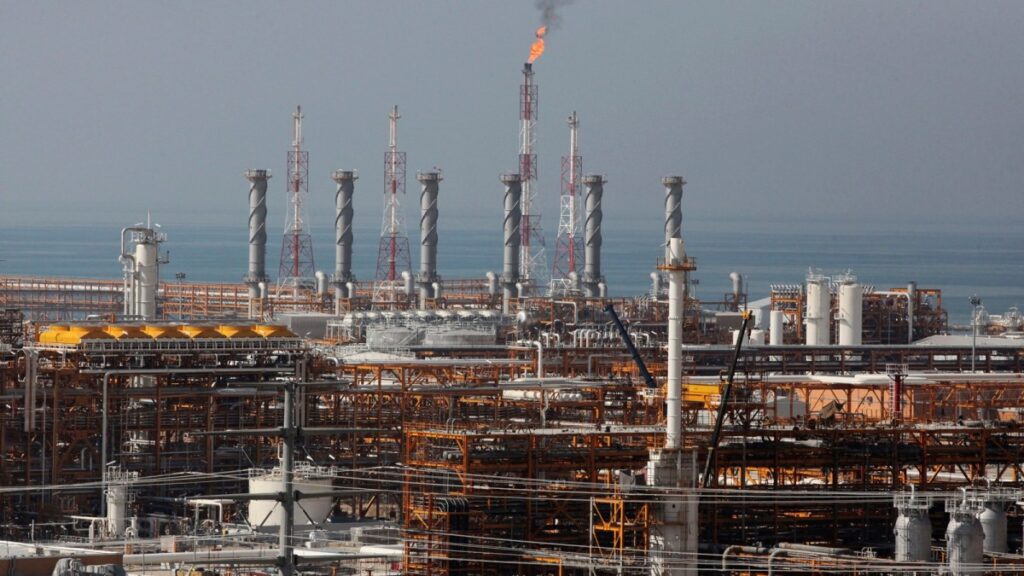
Qatar has witnessed severe damage to its energy infrastructure after strikes targeted major LNG production units and gas-to-liquids facilities. Reports indicate that at least two LNG trains and one processing unit suffered heavy damage, forcing authorities to halt operations temporarily. Consequently, production losses may continue for three to five years, affecting supply commitments to countries across Asia and Europe.
Officials also stated that Qatar may declare force majeure on several long-term contracts, which means the country might not fulfil its supply obligations due to unforeseen circumstances. This move could impact nations such as India, China, South Korea, Italy, and Belgium, all of which depend on Qatari LNG imports to meet their energy needs.
Moreover, energy companies like ExxonMobil and Shell, which hold stakes in these facilities, may also face operational and financial setbacks due to the damage. Experts warn that the disruption could delay ongoing expansion projects, further tightening global supply in the coming years.
Qatar Impact Spreads Beyond LNG Supplies
Qatar’s crisis is not limited to LNG alone, as the damage has also affected the production of several other critical resources. Initial estimates suggest that condensate exports may decline significantly, while LPG, helium, and other by-products could also face notable reductions. These disruptions could have far-reaching consequences across different industries worldwide.
For instance, reduced LPG supplies could impact restaurant operations in countries like India, while decreased helium production may affect semiconductor manufacturing in South Korea. This interconnected impact highlights how Qatar plays a crucial role in maintaining global energy and industrial supply chains.
Additionally, experts emphasise that the conflict has shaken confidence in the region’s stability, which had long been considered a safe hub for energy production and trade. The ongoing tensions have raised concerns about further attacks on critical infrastructure, prompting calls from global leaders to avoid targeting oil and gas facilities during conflicts.
As the situation develops, analysts continue to monitor how Qatar manages recovery efforts and restores production capacity. The outcome will likely influence global energy prices, supply security, and geopolitical dynamics in the months ahead.
Also Read: US Navy Deploys USS Tripoli to Warzone, Eyes Opening Strait of Hormuz



More Stories
Usernames feature coming soon as major revamp hits WhatsApp
Zomato raises platform fee per order from ₹12.50 to ₹14.90
सोना-चांदी में जोरदार गिरावट: चांदी ₹29,000 फिसली, सोना ₹9,000 नीचे