


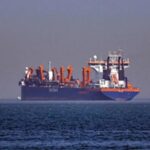



Iran warned that oil prices could climb to $200 per barrel as tensions rise in the Strait of Hormuz. Officials from the Islamic Revolutionary Guard Corps said they would target ships connected to the US, Israel, or their allies. The spokesperson stated that attempts to artificially control oil prices would not succeed. According to them, oil prices depend heavily on regional security conditions. They also accused outside powers of creating instability in the region. These warnings have increased concerns across global energy markets.
The Strait of Hormuz remains one of the most important shipping routes for global energy supplies. Nearly one-fifth of the world’s oil shipments pass through this narrow waterway each day. Any disruption in the region can quickly affect global fuel prices. Many countries depend heavily on oil transported through this route. Because of its strategic importance, tensions in the area can strongly influence energy markets. The growing conflict has therefore raised serious concerns about supply security.
The International Energy Agency and its member countries decided to release a record amount of oil from their emergency reserves. The group represents around two-thirds of global energy production and consumption. Their decision marked the largest coordinated release of oil reserves in history. It is more than double the previous record set after Russia’s invasion of Ukraine in 2022. Governments hope this move will help stabilize global energy markets. However, experts believe it will only provide temporary relief.
Also Read: Elnaaz Norouzi on Iran’s Liberation: If I Return, They’ll Kill Me
Oil prices rise amid Iran war fears
Energy analysts say oil prices may remain high as long as supply risks continue. Experts believe the latest surge suggests traders expect a prolonged disruption in shipments. Oil markets have been extremely volatile since the United States and Israel launched airstrikes on Iran in late February. During this period, Brent crude prices briefly approached $120 per barrel. The ongoing conflict continues to influence global oil trading. Investors remain cautious as geopolitical tensions persist.
Rising oil prices have already started affecting fuel costs around the world. Countries in Asia have been hit particularly hard because many depend heavily on Middle Eastern energy supplies. Long queues appeared at petrol stations in the Philippines, Thailand, and Vietnam as people rushed to fill their tanks. Governments have started introducing measures to reduce energy consumption. Thailand asked many government employees to work from home and avoid unnecessary foreign travel. Meanwhile, the Philippines introduced a four-day work week for government workers to help conserve energy.



More Stories
Crude Rally Continues Despite Record Oil Reserve Move
TCS sets new conditions for employee salary hike and promotion
India Secures Passage for Oil Tankers Amid Strait of Hormuz Crisis