





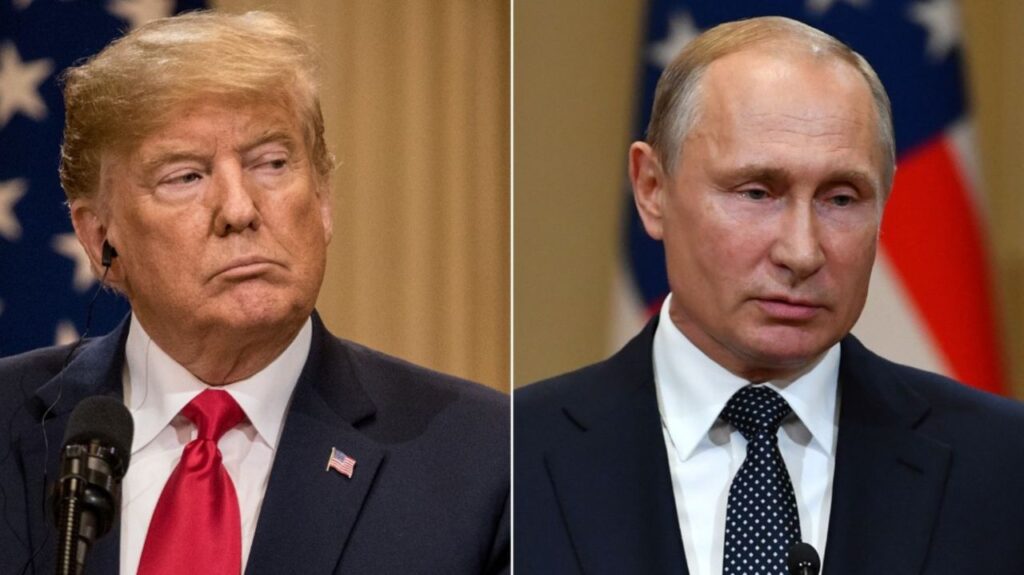
The New Strategic Arms Reduction Treaty (New START), the last remaining nuclear arms control agreement between the United States and Russia, expires after midnight on February 5, 2026. Its lapse leaves the two largest nuclear powers without any legally binding limits on their strategic nuclear forces for the first time since the early 1970s, effectively ending the final Cold War–era arms control framework amid strained bilateral relations.
Reflecting the growing danger, the Bulletin of the Atomic Scientists has moved its symbolic Doomsday Clock to 85 seconds to midnight, the closest point to global catastrophe in its history. The Bulletin cited rising nuclear threats, declining international cooperation, advances in disruptive technologies such as artificial intelligence, biological risks, and the escalating climate crisis as key factors behind the decision.
Nuclear risks remain central to these concerns. Experts warn that more countries are increasingly relying on nuclear weapons, openly discussing their use beyond deterrence, and investing heavily in modernizing and expanding their arsenals. At the same time, several non-nuclear states are reconsidering their non-nuclear status, raising fears of a renewed global arms race.
Also Read: Trump Pushes Nuclear Deal With Russia, China Holds the Balance
End of New START Leaves U.S. and Russia Without Binding Nuclear Limits
Signed in 2010 and extended in 2021, New START imposed strict limits on deployed missiles, warheads, and launchers, while establishing verification measures such as data exchanges and on-site inspections. Although Russia suspended participation in verification activities in 2023 due to tensions over Ukraine, it continued to observe the treaty’s numerical limits, helping prevent destabilizing nuclear confrontations.
With New START’s expiration, those restraints will disappear. Analysts warn that both the United States and Russia could rapidly increase their deployed nuclear warheads—potentially by as much as 60% and 110%, respectively—by loading more warheads onto existing missiles and bombers. Parallel developments, including U.S. missile defense expansion plans and Russia’s unveiling of new nuclear weapon systems, further heighten strategic instability.
The treaty’s demise also raises concerns ahead of the 2026 Review Conference of the Nuclear Non-Proliferation Treaty, as it may signal weakening commitment to arms control by nuclear-weapon states and deepen divisions with non-nuclear countries. However, some optimism remains, as Russian President Vladimir Putin has proposed voluntarily extending adherence to New START’s numerical limits, an idea U.S. President Donald Trump previously described as positive, though he has since insisted on including China in any future agreement.
For now, experts argue that extending or informally preserving New START’s limits remains the most realistic way to prevent a renewed nuclear arms race. The decision ultimately rests with Washington.



More Stories
कौन हैं मोजतबा ख़ामेनेई, जिन्हें अगल सुप्रीम लीडर माना जा रहा है
RSP Leads Nepal Election 2026
AIIMS जोधपुर से पढ़ाई, UPSC में टॉप कर बने मिसाल अनुज अग्निहोत्री