


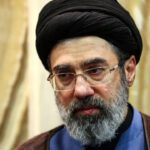


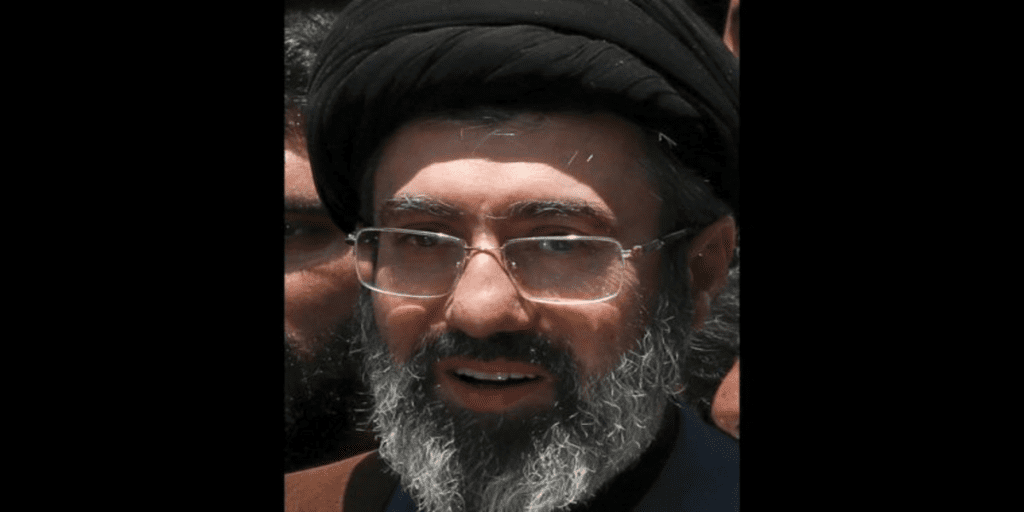
Mojtaba Hosseini Khamenei, son of Ayatollah Ali Khamenei, was reportedly elected Iran’s new Supreme Leader by the Assembly of Experts. The development follows Iran’s continued retaliatory strikes targeting US military bases and infrastructure in Gulf nations.
Iran’s Supreme Leader Ayatollah Ali Khamenei, who ruled for 37 years, was killed on February 28 in joint U.S.–Israeli airstrikes. The attack also claimed the lives of his daughter, son-in-law and granddaughter. His wife, Khojasteh Khamenei, who sustained critical injuries in the strike, later died in hospital on Monday. Under Iran’s constitution, an 88-member Assembly of Experts — a body of senior Shiite clerics elected every eight years — chooses the country’s Supreme Leader when the position becomes vacant. The Guardian Council, a powerful constitutional body, vets and approves all candidates for the Assembly of Experts before they can run for office.
IRGC Support Secures Mojtaba’s Rise
Reports indicate that Mojtaba’s appointment came amid strong backing from the Islamic Revolutionary Guard Corps (IRGC). Born on September 8, 1969, Mojtaba is the second son of Ali Khamenei. A mid-ranking Shiite cleric, he maintains close ties with the IRGC and has overseen crackdowns on anti-government protests recently. Media accounts suggest he holds more hardline views than his father.An analysis by Iran International reported that the IRGC supported Mojtaba to maintain continuity and safeguard internal stability. The report said the force sought to preserve command structure, prevent divisions, ensure security coordination and avoid a potential power struggle.
Also Read:F-15 Crash Captured Kuwait Flags US Warplane Incidents
Mojtaba Elevation Sparks Debate Over Legitimacy and Succession
“Legitimacy matters too, but not in a broad national sense,” the analysis noted, adding that legitimacy within the regime’s core base — including hardline politicians, security officials and loyal networks — remains the priority. The report further stated that Mojtaba has long acted as a key intermediary between his father and Iran’s military leadership. His ties to clerical authorities and the Guard, plus two decades overseeing the Beit, have secured him considerable influence.
Some analysts say his elevation may spark debate, as the Islamic Republic has long rejected hereditary succession and dynastic rule. This marks only the second leadership transition since the 1979 Islamic Revolution. The Supreme Leader holds ultimate authority over major national matters, including decisions on war, peace and Iran’s contentious nuclear programme.
Also Read:Attack on ships near Strait of Hormuz pushes oil prices higher



More Stories
नेपाल में बालेन शाह की पार्टी RSP ने दर्ज की बड़ी जीत अन्य पार्टियां काफी पीछे
IND vs NZ T20 World Cup Final: What Kind of Pitch Will Ahmedabad Offer
कौन हैं मोजतबा ख़ामेनेई, जिन्हें अगल सुप्रीम लीडर माना जा रहा है