



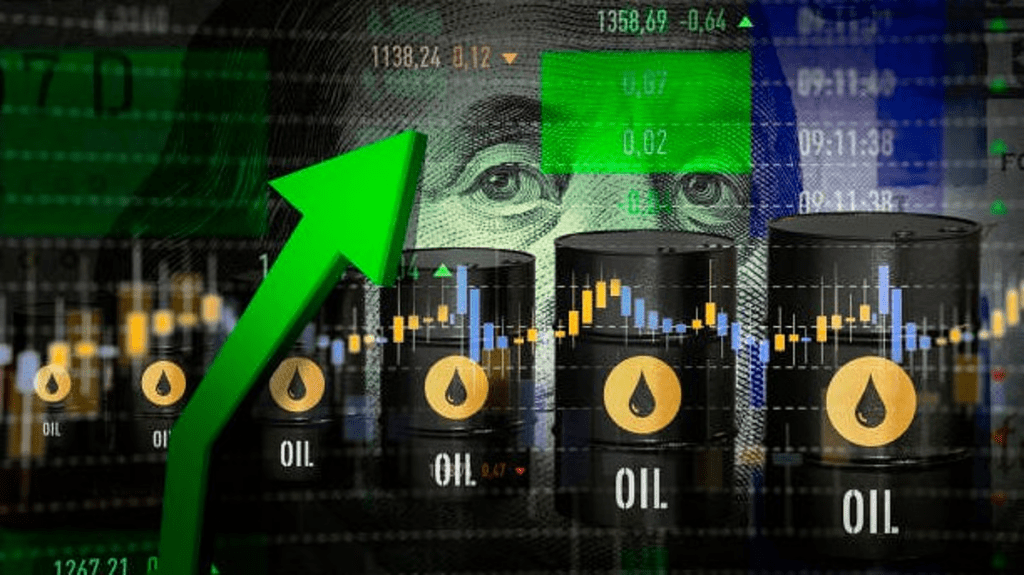
Global oil prices surged past $110 per barrel as stock markets dropped sharply following the intensifying conflict between the United States, Israel, and Iran. The escalation raised serious concerns about disruptions to oil shipments through the Strait of Hormuz, one of the world’s most critical energy routes. Traders reacted quickly to the growing geopolitical tension, pushing crude prices higher. Brent crude climbed to around $114.74, while Nymex light sweet crude also moved above $114. The spike in oil prices signaled fears of a prolonged supply shock in global energy markets.
Iran announced Mojtaba Khamenei as the successor to Supreme Leader Ali Khamenei, reinforcing the position of hardliners in the country during the conflict. The leadership decision came just a week after the war intensified. Analysts believe the move indicates political continuity and a firm stance against external pressure. Meanwhile, the United States and Israel carried out additional airstrikes across Iran during the weekend. The strikes targeted several locations, including strategic oil storage facilities.
Energy markets reacted strongly as attacks damaged oil infrastructure and raised the possibility of long-term supply disruptions. Any interruption in oil production or shipping from the Middle East can significantly affect global fuel prices. Countries and industries that rely heavily on energy imports could face higher operational costs. Consumers may also see rising prices for petrol, transportation, and electricity. Experts warn that extended instability could place additional pressure on global economic growth.
Read Also: Elnaaz Norouzi on Iran’s Liberation: If I Return, They’ll Kill Me
Middle East war pushes oil above $110, markets tumble
Stock markets across the Asia-Pacific region fell sharply as investors responded to the uncertainty. Japan’s Nikkei 225 dropped by more than 7%, while Hong Kong’s Hang Seng index declined over 3%. Australia’s ASX 200 also recorded a fall of more than 4% during early trading hours. South Korea’s Kospi index suffered one of the steepest declines, dropping more than 8%. Authorities temporarily halted trading for twenty minutes to prevent panic selling in the market.
The Strait of Hormuz, through which nearly 20% of the world’s oil supply normally passes, has seen shipping activity nearly stop since the conflict began. This narrow waterway connects the Persian Gulf with global markets and remains essential for energy transportation. With ships avoiding the route, millions of barrels of crude oil and liquefied natural gas risk remaining stranded. Analysts now warn that if the disruption continues, oil prices could rise even further. Some forecasts suggest prices may exceed $150 per barrel if the shutdown persists.
Rising oil prices could also increase the cost of related products such as jet fuel and fertilizer ingredients, affecting industries worldwide. Asian countries, which rely heavily on Gulf energy supplies, may face the greatest impact. Reports also indicate that some gas shipments initially bound for Europe have changed course toward Asia due to stronger demand. Meanwhile, US officials acknowledged that higher oil prices may occur in the short term. However, they argue that confronting Iran’s nuclear threat justifies the temporary economic impact.
Read Also: Sanju Samson Lone Indian in Player of the Tournament Nominees for ICC Men’s T20 World Cup

More Stories
Two Lok Sabha MPs Refuse Salary: Meet the Lawmakers Who Decline Pay
IT कंपनियों पर बढ़ सकते हैं साइबर हमले NASSCOM ने सुरक्षा बढ़ाने की दी सलाह
US-Iran conflict impact: Market turmoil and protests in Parliament