




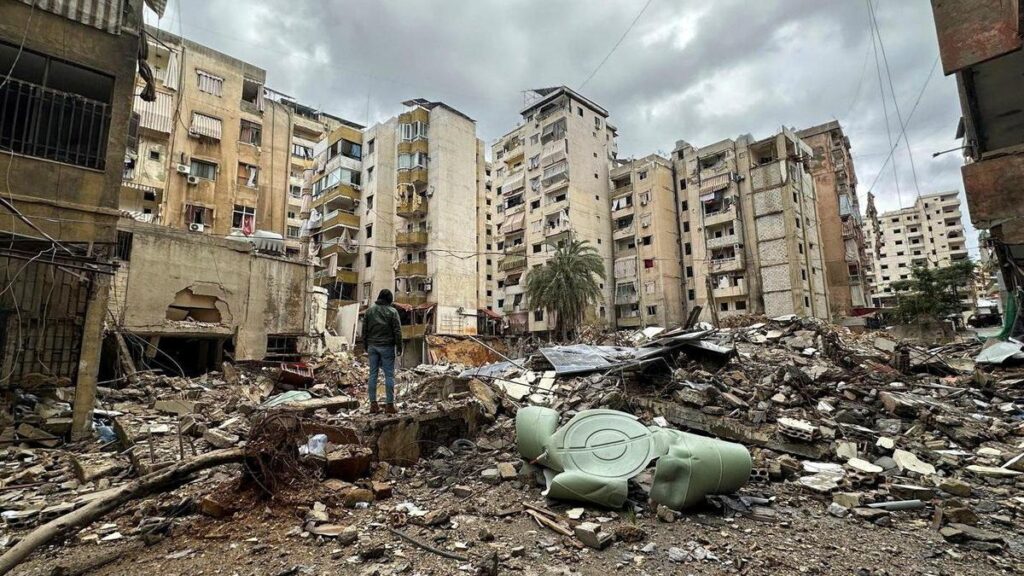
The Iran war began on February 28, 2026, with powerful joint strikes by the United States and Israel. Explosions hit Tehran and targeted key leadership and military sites. Israel said it aimed to remove security threats. The United States supported the operation and pushed for strong action against Iran’s military. As a result, tensions rose quickly across the region. The Iran war did not remain limited. Instead, it spread across West Asia and triggered global concern.
Soon after, Iran responded with force. It launched attacks on U.S. bases and infrastructure in the Gulf region. These strikes caused damage and raised fears of wider conflict. Consequently, several countries closed their airspace. Civilian casualties also increased. At the same time, global markets reacted sharply. The Iran war began to affect economies far beyond the region.
Also Read : Ishaq Dar Injured After Fall During US-Iran Talks Hosting
Iran War Triggers Global Crisis
Moreover, Iran took a major strategic step. It blocked the Strait of Hormuz. This route carries nearly 20% of the world’s oil and gas supply. Therefore, the blockage disrupted global energy flows. Oil prices surged rapidly. Many countries faced fuel shortages. Businesses and households felt the impact immediately.
Meanwhile, the humanitarian situation worsened. Thousands of people fled their homes in Lebanon. Many Syrian refugees also crossed borders again to escape violence. Relief agencies raised alarms over the growing crisis. The United Nations described the Iran war as a major humanitarian emergency.
In addition, energy experts warned about long-term risks. The International Energy Agency highlighted the danger of a severe global energy crisis. It said the Iran war could create one of the worst disruptions in decades. As the conflict continues, uncertainty remains high. Countries now watch closely for the next developments.
Additionally, the war continues to create uncertainty across the world. Governments are taking precautionary steps to protect their economies. Many countries are increasing fuel reserves and reviewing energy policies. At the same time, global markets remain unstable. Investors are reacting to every new development. Travel routes and trade networks also face disruptions. As tensions persist, diplomatic efforts are slowly increasing. However, a clear resolution is still not visible. The Iran war is now shaping global politics, economy, and security in a major way.




More Stories
Jio Platforms IPO Sets Global Record With Over 1 Crore Applications
Jio Platforms IPO में निवेशकों की भारी दिलचस्पी, तीसरे दिन सब्सक्रिप्शन 6 गुना के पार पहुंचा
अरुणाचल सीमा पर चीन की नई चाल, कई जगह तनाव बढ़ा