

Israel continued its military operations in Lebanon, targeting Hezbollah positions and carrying out multiple strikes. The attacks killed 89 people and injured 722, triggering strong protests from Iran. The escalation intensified tensions across the region as violence persisted despite diplomatic developments elsewhere. Iran condemned the strikes and warned of further consequences.
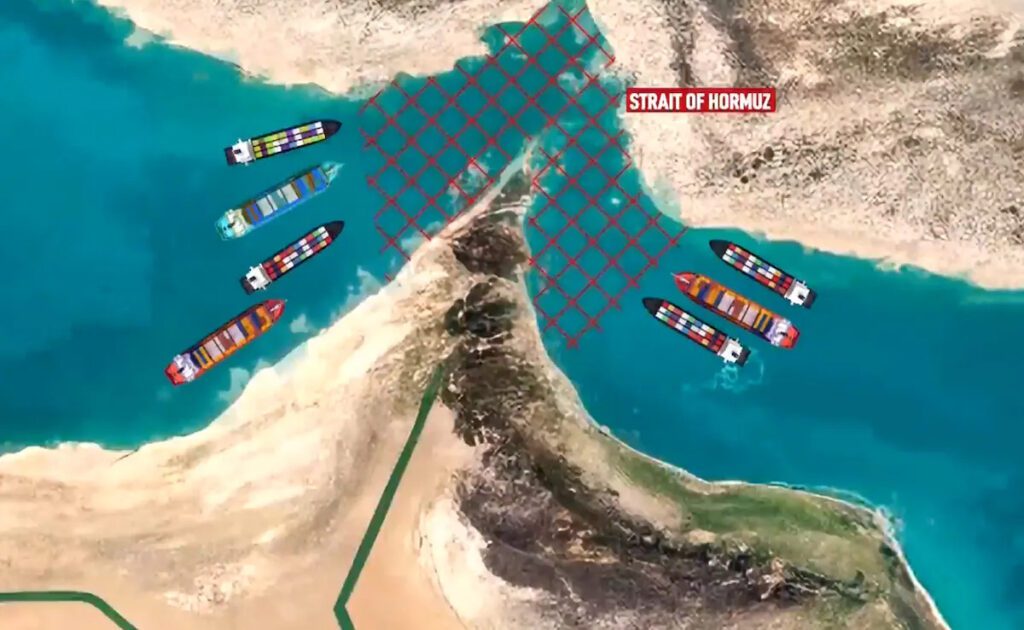
Less than 24 hours after US President Donald Trump announced a ceasefire with Iran, Tehran shut the Strait of Hormuz in response to Israel’s attacks on Lebanon. According to reports citing local media, Iran took the step despite earlier commitments. The move raised concerns over global energy supplies and maritime security. The closure signaled a sharp reaction to ongoing hostilities in Lebanon.
Earlier, the United States and Iran had agreed to a two-week ceasefire aimed at reducing tensions in West Asia. As part of the agreement, Iran had committed to reopening the Strait of Hormuz. However, Israeli forces launched more than 100 air strikes in Lebanon within a span of just 10 minutes. The sudden escalation undermined the fragile ceasefire understanding.
Also Read: BJP, Left Score Hat-Tricks; NDA Eyes Puducherry
Iran shuts Hormuz as Israel hits Lebanon despite ceasefire
Israeli Prime Minister Benjamin Netanyahu expressed support for the US-led ceasefire with Iran but clarified that the agreement did not apply to Lebanon. He stated that Israel backed the US decision, provided Iran reopened the strait and halted attacks in the region. Netanyahu emphasized Israel’s commitment to its security objectives. He maintained that operations in Lebanon would continue independently.
In a separate statement, Netanyahu reiterated that the United States shared common strategic goals with Israel and its regional allies. He said upcoming negotiations would focus on achieving those objectives. At the same time, he made it clear that the ceasefire framework excluded Lebanon entirely. This distinction allowed Israel to continue its military campaign against Hezbollah.
Israel later intensified its strikes, increasing the death toll to 112 and injuring 837 people. The continued offensive further angered Iran and fueled protests. The rising casualties highlighted the severity of the conflict. Regional tensions escalated as diplomatic efforts struggled to contain the situation.
The United States responded by urging Iran to reopen the Strait of Hormuz immediately and ensure safe passage. White House Press Secretary Karoline Leavitt called any closure unacceptable and demanded swift action. Meanwhile, Trump defended Israel’s operations, stating that Hezbollah was not part of the ceasefire deal. He described the conflict in Lebanon as a separate issue and signaled continued US support for Israel’s stance.
Also Read: India Fast Breeder Reactor Kalpakkam Breakthrough
More Stories
CJP आंदोलन पर हरीश साल्वे का बड़ा दावा, बोले- भारत में नेपाल और बांग्लादेश जैसे हालात बनाने की कोशिश
दिल्ली में विपक्ष के मार्च के बीच BJP का प्रदर्शन, कांग्रेस सांसद पर यौन शोषण का गंभीर आरोप, बांसुरी स्वराज ये बोलीं
राहुल के प्रदर्शन से पहले दिल्ली पुलिस अलर्ट, सुरक्षा के किए कड़े इंतजाम