




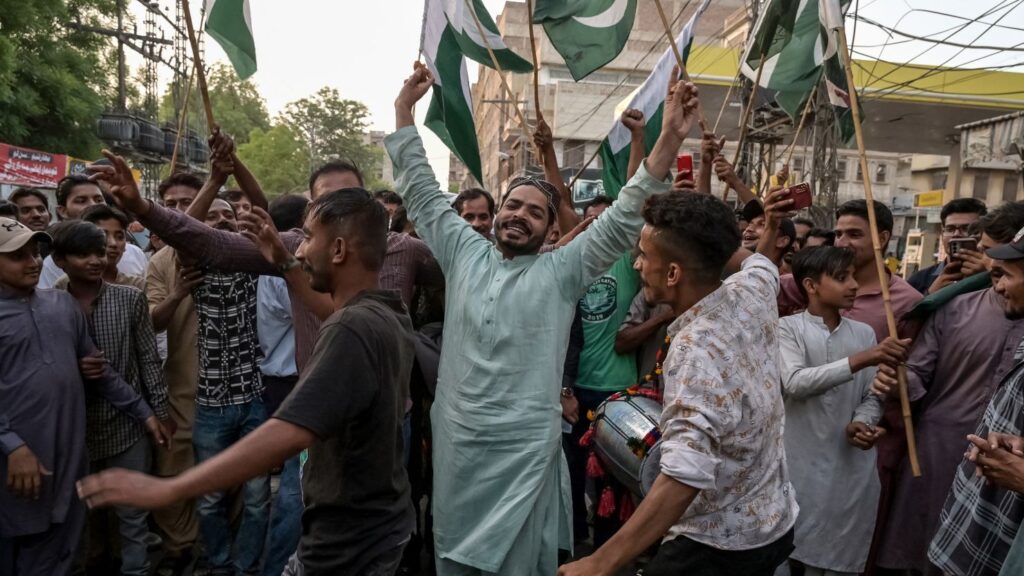
A year after the four-day conflict between India and Pakistan, tensions between the two countries remain high despite the ceasefire continuing to hold. The conflict began after a deadly militant attack on tourists in Indian-administered Kashmir. India launched military strikes, and Pakistan responded with retaliatory action. Although the fighting ended within 90 hours, relations between the two nations worsened significantly. Both countries suspended trade and diplomatic engagement. Cricket ties also remain cut off, while the Indus Waters Treaty continues to stay suspended. Analysts describe the relationship as one of the longest periods of frozen ties in recent history.
The conflict also changed global perceptions about the balance of power in South Asia. Before the clashes, many international observers believed India held a clear military advantage over Pakistan. However, Pakistan’s ability to withstand India’s initial attacks shifted that perception. Experts believe Pakistan regained some geopolitical importance after the conflict. Pakistan later acted as an intermediary during tensions involving Iran and the Middle East. This diplomatic role surprised many global analysts. Some experts, however, believe Pakistan’s renewed influence may only last temporarily because it depends heavily on changing international politics and US policies.
Also Read: MH SSC Result 2026 , 179 Students Score Perfect 100%
India-Pak Tensions Continue Amid Fragile Peace
The role of the United States during the conflict created fresh challenges for India’s foreign policy. Former US President Donald Trump repeatedly claimed credit for helping secure the ceasefire and offered to mediate on Kashmir. India rejected outside mediation because it considers Kashmir a bilateral issue. Trump’s public praise of Pakistan’s army chief, Field Marshal Asim Munir, also affected regional diplomacy. Analysts say India started reducing its dependence on the US after the conflict. India strengthened ties with the European Union, improved relations with China and maintained close connections with Russia. Despite these shifts, experts believe India’s long-term rise as a major global power remains secure.
Military experts describe the conflict as South Asia’s first major drone-heavy and technology-driven war. Neither country allowed manned aircraft to cross the border during the fighting. Both India and Pakistan increased defence spending and accelerated military modernisation after the conflict. Analysts believe the war changed military strategies and raised the possibility of future escalation. India signalled that future terrorist attacks could trigger stronger military responses against both militant groups and Pakistan’s military establishment. India also adopted a tougher stance on the Indus Waters Treaty. At the same time, Pakistan continued to rely on deterrence and international diplomatic pressure to prevent prolonged conflict.
Ceasefire Holds, Tensions Persist
Despite deep tensions, analysts believe both countries understand the dangers of continued hostility. Pakistan faces economic difficulties, political divisions and internal insurgencies, which limit its ability to engage in another major war. Military leaders in Pakistan recently stressed the importance of restraint and avoiding escalation. Experts also point out that India and Pakistan have previously used backchannel diplomacy to reduce tensions during crises. Some analysts believe relations may stabilize if the region avoids another major militant attack. However, neither Indian Prime Minister Narendra Modi nor Pakistan’s army chief Asim Munir currently appears ready to restart formal diplomacy. For now, the fragile ceasefire continues, but distrust still dominates relations between the two neighbors.
Also Read: Ananthan Ayyasamy Tamil Nadu Election: From US to Politics



More Stories
अलवर में मां ने दो बच्चों की हत्या कर की आत्महत्या, बचाने आई बहन घायल
Mona Agarwal, Avani Lekhara Win Gold and Silver for India at Asian Para Games
Economist Who Predicted 2008 Financial Crisis Warns India Must Accelerate Growth to Create Jobs