





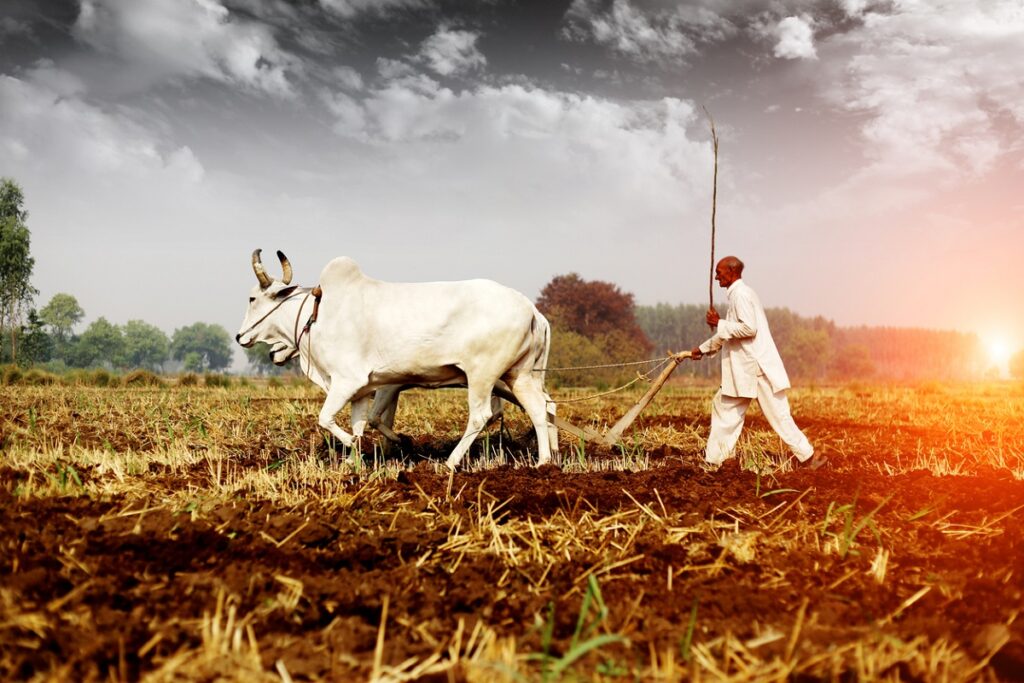
India is preparing to supply Nepal with subsidised fertilisers despite rising global prices and regional tensions. Nepal currently faces a severe fertiliser shortage ahead of its important plantation season across agricultural regions. The government recently approved plans for importing eighty-thousand tonnes of fertilisers through bilateral agreements with India. Officials stated that soaring international fertiliser prices have placed significant financial pressure upon Nepal’s agricultural subsidy system. India will reportedly provide urea and DAP below prevailing international market prices through government-backed commercial arrangements.
Also Read: IIT Mandi Opens Applications for One-Month AI, Robotics and IoT Programme
India Extends Fertiliser Support to Nepal Amid Rising Global Prices
Nepal’s Agriculture Inputs Company plans purchasing sixty-thousand tonnes of urea and twenty-thousand tonnes of DAP immediately. The agreement follows a bilateral memorandum signed between New Delhi and Kathmandu during the year 2022. India previously promised guaranteeing nearly thirty-percent of Nepal’s annual fertiliser requirements under phased long-term commitments. Nepal currently possesses insufficient fertiliser stocks despite projecting demand exceeding two-hundred-fifty-thousand tonnes before plantation activities nationwide. Officials warned that private procurement contracts may fail because rising international costs continue affecting commercial fertiliser supplies. The government admitted subsidising fertilisers completely remains financially impossible under current global pricing conditions and pressures.
Meanwhile, Nepal’s government under Prime Minister Balen Shah revived territorial claims surrounding the strategically important Lipulekh Pass. Kathmandu recently protested India’s decision resuming the Kailash Mansarovar Yatra through the Lipulekh route after pandemic suspension. Nepal’s Foreign Ministry claimed Lipulekh, Kalapani and Limpiyadhura territories belong entirely within Nepalese sovereign boundaries officially. The protest note reached both New Delhi and Beijing following India’s recent agreement with China regarding pilgrimages. Nepal has maintained claims over the Kalapani territory since 1996 despite longstanding Indian administrative control historically. Political observers believe renewed territorial assertions may strengthen anti-India narratives currently gaining attention within Nepalese domestic discussions.
Also Read: Ektaa Kapoor supports Akshay Kumar’s 4-films-a-year pace
Nepal Revives Lipulekh Claims as Diplomatic Tensions Resurface with India
India’s Ministry of External Affairs rejected Nepal’s territorial claims and defended longstanding historical positions regarding Lipulekh Pass. New Delhi stated the Kailash Mansarovar Yatra route through Lipulekh has operated continuously since the year 1954. Officials described Nepal’s territorial assertions as historically unsupported and inconsistent with existing evidence and established administrative realities. India also stressed willingness maintaining constructive diplomatic engagement with Nepal regarding unresolved bilateral border disputes through dialogue. Despite diplomatic tensions, New Delhi continues supporting Kathmandu economically by ensuring affordable fertiliser supplies during agricultural emergencies. India currently faces sharply increasing fertiliser import expenses because international conflicts disrupted global commodity markets and supply chains.
Reports indicated India recently signed record fertiliser import agreements at nearly double previous international procurement prices worldwide. Before the recent Iran conflict, India purchased imported urea at significantly lower prices for domestic distribution programs. Current international urea prices reportedly increased dramatically, forcing governments across South Asia reconsider agricultural subsidy allocations urgently. Despite rising domestic costs, India continues offering Nepal cheaper fertilisers under bilateral agreements supporting regional agricultural stability efforts. Analysts described the situation politically significant because Nepal simultaneously challenged India’s position regarding strategically important border territories. The development highlighted growing diplomatic contradictions between economic cooperation and territorial disagreements affecting longstanding India-Nepal bilateral relations.
Also Read: IIT Mandi Opens Applications for One-Month AI, Robotics and IoT Programme




More Stories
लहंगे में 18 KM पैदल चली दुल्हन, 4 घंटे में पहुंची ससुराल; CM धामी से बोली- सड़क बनवा दो
A.R. Rahman Recalls Fan Who Predicted His Ramayana Collaboration 12 Years Ago
दिलजीत दोसांझ के शो के लिए दिल्ली पुलिस ने नहीं दी परमिशन, जवाहर लाल नेहरू स्टेडियम में होना था शो