





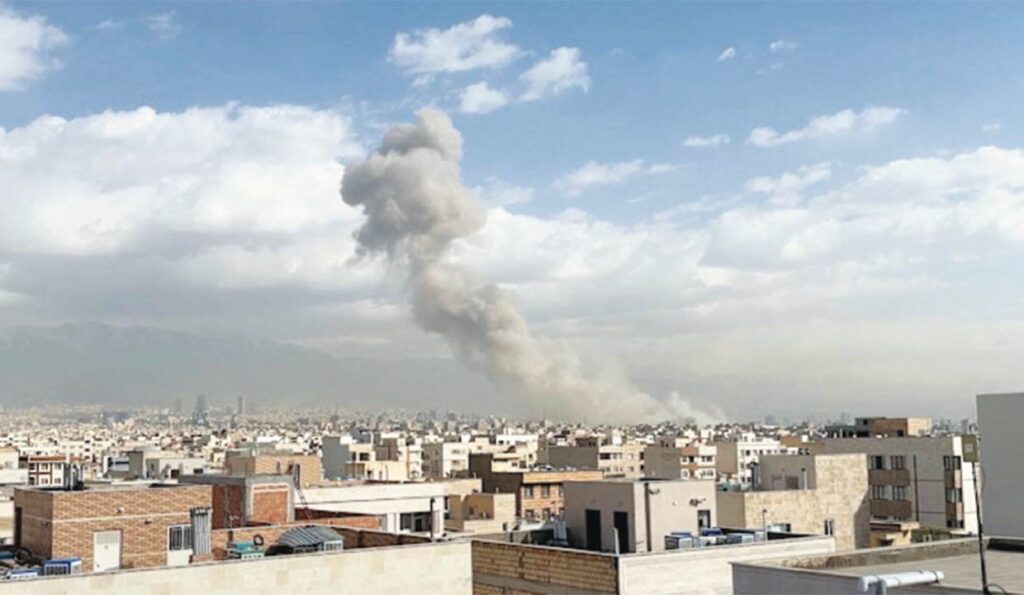
The ongoing conflict involving the United States, Israel and Iran has begun affecting India’s economy and strategic interests. India depends heavily on energy shipments that pass through the Strait of Hormuz, a narrow but crucial maritime route in the Gulf. Nearly half of India’s crude oil imports and large volumes of liquefied natural gas and liquefied petroleum gas normally travel through this passage. Disruptions caused by the conflict have raised concerns about supply delays and rising transportation risks. As tensions grow, India faces increasing uncertainty over energy security and rising import costs.
India’s economic ties with the Middle East extend far beyond oil trade. Around 10 million Indians live and work across Gulf countries, sending billions of dollars home every year. These remittances support millions of households and strengthen India’s external financial position. The region also accounts for a significant share of India’s exports and supplies more than half of its crude oil needs. Because of these deep connections, instability in the Gulf directly influences India’s economy and trade flows.
Also Read: Netanyahu gains support at home during Iran war but risks global backlash
Iran conflict threatens India’s oil supply
The conflict could affect India through several channels, including energy supplies, remittances and diplomatic relations. Rising oil prices may increase inflation and expand the country’s import bill if disruptions continue. India imports about 90 percent of its crude oil, making it vulnerable to global supply shocks. Liquefied petroleum gas and liquefied natural gas supplies remain particularly sensitive because India imports large quantities from Gulf producers. Any prolonged disruption could strain domestic energy availability.
At the same time, the safety and stability of Indian workers in the Gulf have become a major concern for the government. Millions of migrants work in sectors such as construction, services and energy, contributing significantly to India’s record remittance inflows. If the crisis intensifies, it could disrupt employment, education and living conditions for expatriate families. A slowdown in remittances would also affect household incomes and India’s broader financial stability.
Iran tensions raise concerns for India
India also faces strategic and diplomatic challenges as the conflict unfolds. The country must carefully balance relations with the United States, Iran and key Arab Gulf states. Ongoing tensions have already complicated India’s investment in Iran’s Chabahar port, a major connectivity project linking India to Afghanistan and Central Asia. If instability continues, supply chains for fertilisers, petrochemicals and other imports from the region may also face disruptions. What begins as a regional conflict could therefore create wider economic pressures for India.
Also Read: Maharashtra Exporters Containers Stuck in Dubai Port



More Stories
AIIMS जोधपुर से पढ़ाई, UPSC में टॉप कर बने मिसाल अनुज अग्निहोत्री
IAF Fighter Jet Crash in Karbi Anglong Kills Two Pilots
Nitish Kumar’s Rajya Sabha Decision Triggers Unease In JD(U), Leaders Seek Review