




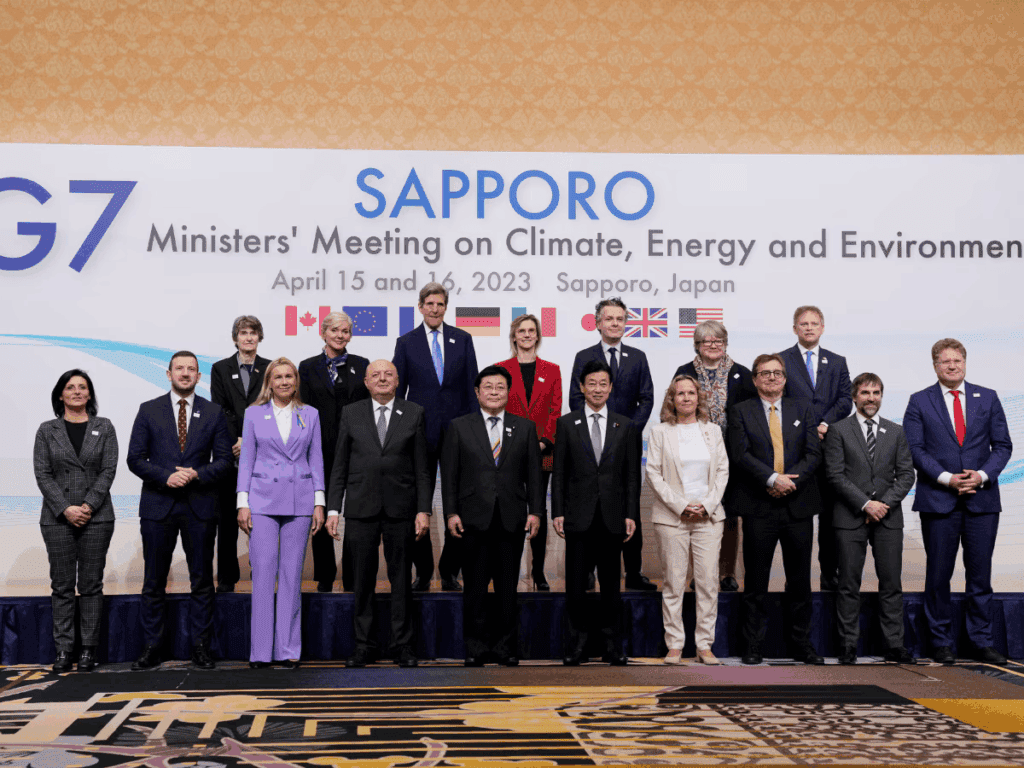
G7 countries said they are ready to take “necessary measures” to support global Energy supplies after the conflict involving the US, Israel, and Iran pushed oil prices sharply higher. Leaders expressed concern about the stability of energy markets as tensions in the Middle East intensified. Oil prices surged due to fears of supply disruptions in a region that plays a major role in global energy production. Officials stressed the importance of maintaining stable supply to prevent further economic pressure worldwide. They indicated that coordinated action could be taken if the situation worsens.
Finance ministers from G7 nations held a virtual meeting with the International Energy Agency (IEA) to discuss the growing risks to global oil markets. During the meeting, officials considered several options to stabilize supplies, including the potential release of emergency crude reserves. However, participants did not reach an agreement to release strategic reserves immediately. Energy experts noted that oil markets have deteriorated in recent days as supply routes and production face disruptions. Authorities said they will continue to monitor the situation closely.
Energy market concerns increased as disruptions threatened shipments through the Strait of Hormuz, a crucial passage for global oil transport. A significant portion of oil production in the region has also been curtailed due to the ongoing conflict. Member countries of the IEA currently hold more than 1.2 billion barrels of public emergency oil stocks, with an additional 600 million barrels held by industry under government requirements. Officials said these reserves could be used if supply shortages worsen. For now, governments remain cautious about deploying them.
Read Also: Two Lok Sabha MPs Refuse Salary: Meet the Lawmakers Who Decline Pay
Global energy supply concerns grow amid Middle East tensions
Military escalation in the region has raised fears of long-term disruptions to energy infrastructure. Airstrikes targeted multiple sites including oil storage facilities, while drone attacks aimed at energy installations in neighboring Gulf countries increased tensions further. Some governments reported intercepting drones heading toward major oil fields. The growing conflict has heightened uncertainty across global energy markets. Analysts warned that any prolonged disruption could significantly affect production and transport routes.
Oil prices reacted sharply to the conflict, with Brent crude jumping to nearly $120 per barrel before dropping later as expectations of a possible end to the fighting emerged. Analysts said markets remain extremely sensitive to developments in the region. Experts believe oil prices could temporarily reach between $120 and $150 per barrel if the conflict continues. However, they also noted that such high prices could eventually reduce demand as consumers cut back on fuel use.
Rising oil and gas prices have increased concerns about inflation and economic stability worldwide. Higher energy costs could affect both consumers and businesses, potentially slowing economic growth. Financial markets have begun reassessing interest rate expectations as inflation risks rise. Governments and central banks are closely watching the situation while considering possible responses. Economists warn that the longer the conflict continues, the greater the pressure on global markets will become.
Read Also: Protest at Panjab University Over Lecture on Sikh Gurus




More Stories
राज्यसभा चुनाव: क्या तेजस्वी दिखा पाएंगे सियासी खेल? भूमिहार फैक्टर से NDA की बढ़ी चिंता
CBSE responds to the ‘rickroll’ controversy in the Maths paper. Here’s what it said.
टीम इंडिया की विक्ट्री परेड: मुंबई में फैंस का सैलाब