

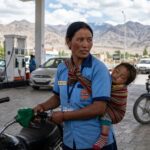



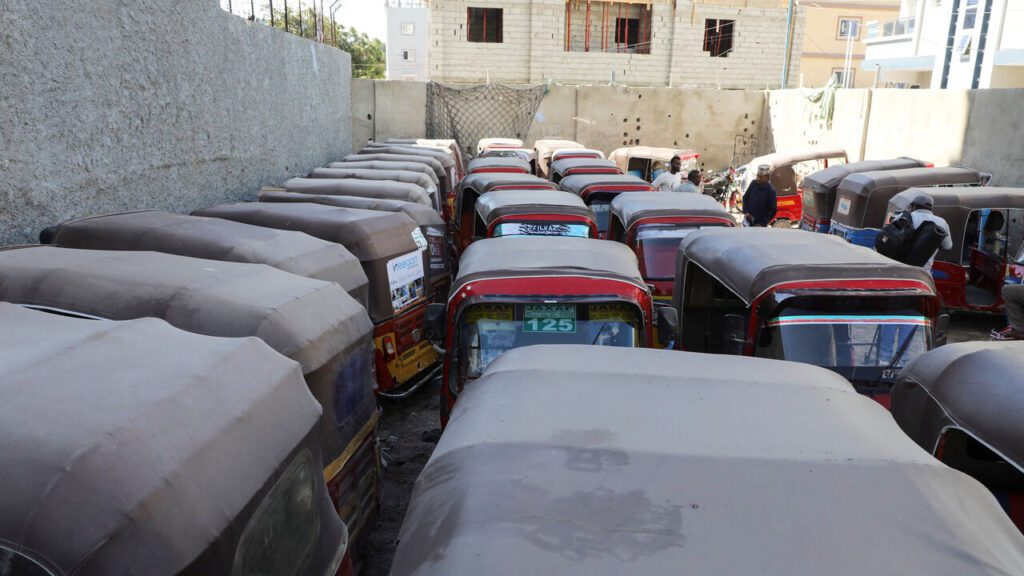
African countries are actively responding to a growing fuel crisis triggered by the ongoing conflict involving the United States and Israel in Iran. Governments in nations like South Sudan and Mauritius have already introduced strict measures to manage limited energy supplies. Authorities across the continent are trying to control rising fuel demand, prevent shortages, and maintain essential services. The crisis has begun to disrupt daily life, especially in countries that depend heavily on imported oil. Many nations now face pressure to secure alternative fuel sources. This situation highlights Africa’s vulnerability to global energy disruptions.
South Sudan has started rationing electricity in its capital, Juba, as fuel supplies tighten. The main electricity distributor has introduced rotational power cuts across different parts of the city to conserve energy. Officials are prioritizing essential services while managing limited reserves. Residents have reported long hours without electricity, affecting businesses and daily activities. Many people have begun shifting to solar power despite its high cost. The government continues to struggle with balancing supply and demand as the crisis worsens.
Also Read: Akshay Kumar: Dhurandhar Trend Won’t Affect Bhooth Bangla
Fuel Crisis Spreads Across African Nations
Mauritius has also taken immediate action by restricting electricity usage across the country. The government imposed controls to reduce wastage, especially in high-consumption sectors. Officials reported that a delayed oil shipment left the country with limited fuel reserves. Authorities quickly arranged alternative fuel supplies from Singapore, although at a higher cost. The country remains heavily dependent on imported oil for electricity generation. Leaders are now focusing on managing consumption until new supplies arrive.
Several other African nations are adjusting their fuel strategies to cope with the crisis. Zimbabwe has increased ethanol blending in petrol and reduced fuel taxes to control rising prices. Ethiopia has prioritized fuel distribution for essential services, including security and key industries. In some regions, authorities have completely suspended fuel supplies to conserve resources. Kenya has experienced fuel shortages at several petrol stations due to panic buying and high demand. Governments are urging citizens to avoid hoarding and remain calm.
The crisis has also impacted everyday life and economic activity across the continent. Rising fuel prices have increased transportation costs and affected small businesses. Vendors and workers are struggling to maintain profits as expenses continue to grow. Some countries have warned that prolonged conflict could worsen fuel availability and prices. At the same time, changes in global shipping routes may benefit certain African ports. Oil-producing nations like Nigeria may gain from higher global prices, but ordinary citizens may not see immediate relief.
Also Read: No Fuel Crisis: India Holds 60-Day Reserve, Says Government


More Stories
Will ( AI ) Artificial intelligence Replace Jobs? What Tech Leaders and Employees Say About the Future
बच्चे को पीठ पर बांधकर ड्यूटी करती मां का वीडियो वायरल, लोग बोले- ‘आधुनिक झांसी की रानी’
Trump U-Turn: US to Buy Russian Diesel as Zelenskyy Calls Move a ‘Gift to Putin’