





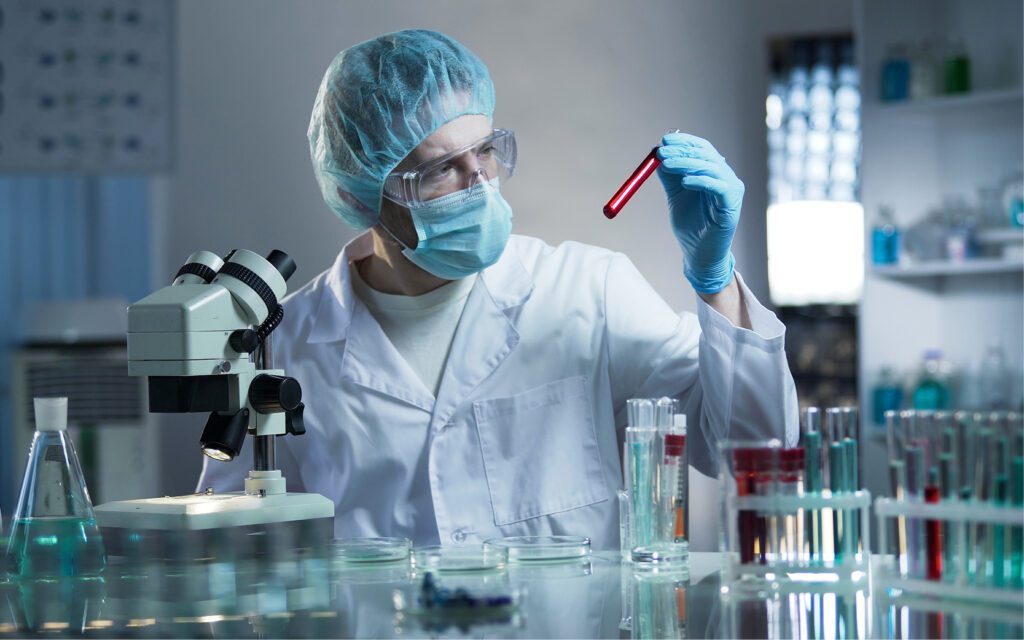
In a groundbreaking medical breakthrough, a team of Australian scientists has successfully grown the world’s first fully functioning lab-made human skin, complete with its own blood supply. Experts say the development could transform treatment for burns, grafts, and chronic skin diseases.
The Breakthrough
Researchers at the University of Queensland’s Frazer Institute used advanced stem cell technology to engineer a life-like skin model that closely mirrors natural human skin. The lab-grown skin features blood vessels, capillaries, nerves, immune cells, tissue layers, and even hair follicles, making it the most realistic artificial skin ever developed.
“This is the most life-like skin model that’s been developed anywhere in the world,” said lead researcher Dr. Abbas Shafiee, a scientist in tissue engineering and regenerative medicine.
Why It Matters
Until now, studying skin diseases and developing therapies has been limited due to the lack of accurate models. The new lab-grown skin could significantly advance research in conditions such as psoriasis, atopic dermatitis, and scleroderma.
“With a model like this, we can test treatments more effectively and understand skin disorders at a deeper level,” Dr. Shafiee explained.
How the Skin Was Made
The research team reprogrammed human skin cells into stem cells, which can transform into any cell type in the body. These were grown into mini skin organoids inside petri dishes. Using the same stem cells, the scientists also engineered tiny blood vessels and integrated them with the organoids.
The result was 3D skin with pigmentation, hair follicle structures, appendage patterns, and a functioning vascular system.
Years in the Making
According to co-author Professor Kiarash Khosrotehrani, the project took six years to achieve this breakthrough. “Skin disorders are difficult to treat, and this is a real breakthrough that provides hope for people living with chronic conditions,” he said.




More Stories
नेपाल में बालेन शाह की पार्टी RSP ने दर्ज की बड़ी जीत अन्य पार्टियां काफी पीछे
IND vs NZ T20 World Cup Final: What Kind of Pitch Will Ahmedabad Offer
कौन हैं मोजतबा ख़ामेनेई, जिन्हें अगल सुप्रीम लीडर माना जा रहा है