





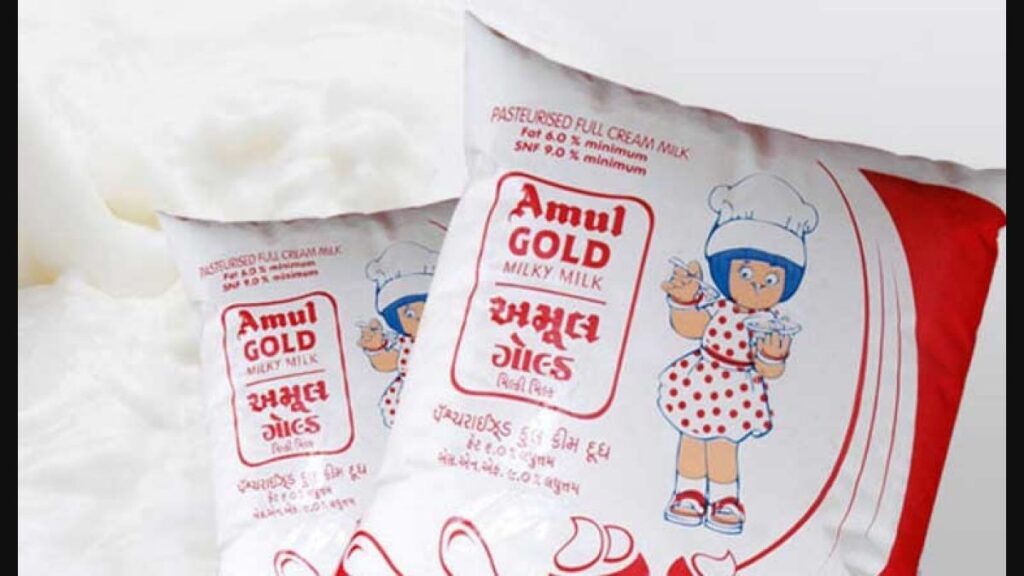
The Amul milk controversy and reports about coliform bacteria have raised serious concerns about dairy safety in India. Viral lab reports claiming high bacterial levels in some pouch milk brands triggered public debate, forcing authorities and companies to respond. The Food Safety and Standards Authority of India (FSSAI) intensified inspections, while dairy companies denied any production flaws and pointed to possible cold-chain failures during transport or storage. The issue has pushed consumers to question whether the milk they boil daily is truly safe.
Experts say boiling pouch milk for five minutes after it rises significantly reduces bacterial risks. Packaged milk in India undergoes HTST pasteurisation, where producers heat it to around 72°C for 15 seconds and cool it quickly to kill harmful microbes like E. coli and Salmonella. When consumers boil milk at home, temperatures exceed 100°C, destroying most remaining bacteria and acting as an additional safety layer.
However, boiling does not remove chemical adulterants. If milk contains substances like urea, detergent, caustic soda, or synthetic additives, heat cannot neutralise them. These contaminants may still harm health even after prolonged boiling. Excessive heating can also reduce heat-sensitive nutrients such as vitamin B12 and folate, meaning boiling improves safety but does not make contaminated milk pure.
Also Read : Gold and silver stay near key support before US jobs report
Cold Chain Failures Raise Milk Safety Risks
Cold-chain disruptions also play a major role in milk safety. Even properly pasteurised milk can become unsafe if refrigeration fails during transport, retail storage, or after home delivery. Bacteria multiply quickly between 5°C and 60°C, increasing contamination levels before boiling. Experts advise boiling milk immediately after purchase and storing it below 4°C while avoiding repeated reheating.
When comparing pouch milk and loose milk, food safety experts generally consider packaged milk safer. Loose milk remains unpasteurised and can carry pathogens such as Campylobacter, E. coli, and Salmonella, especially if hygiene during milking is poor. Packaged milk undergoes standard testing, sealed processing, and controlled distribution, reducing contamination risks unless storage conditions break down.
Consumers can also test milk at home using simple methods. Iodine drops can detect starch adulteration, foam tests can indicate detergent presence, and drop tests can reveal water dilution. Approved testing kits offer additional checks. Overall, boiling pouch milk for five minutes reduces bacterial risk, but consumers should buy from trusted brands, maintain refrigeration, and stay aware of possible adulteration.




More Stories
कैच: अक्षर पटेल-शिवम दुबे की शानदार जुगलबंदी, गंभीर का रिएक्शन वायरल
C.V. Ananda Bose Resigns Ahead of Bengal Polls
Iran Crisis Hits India Through Oil and Remittances