


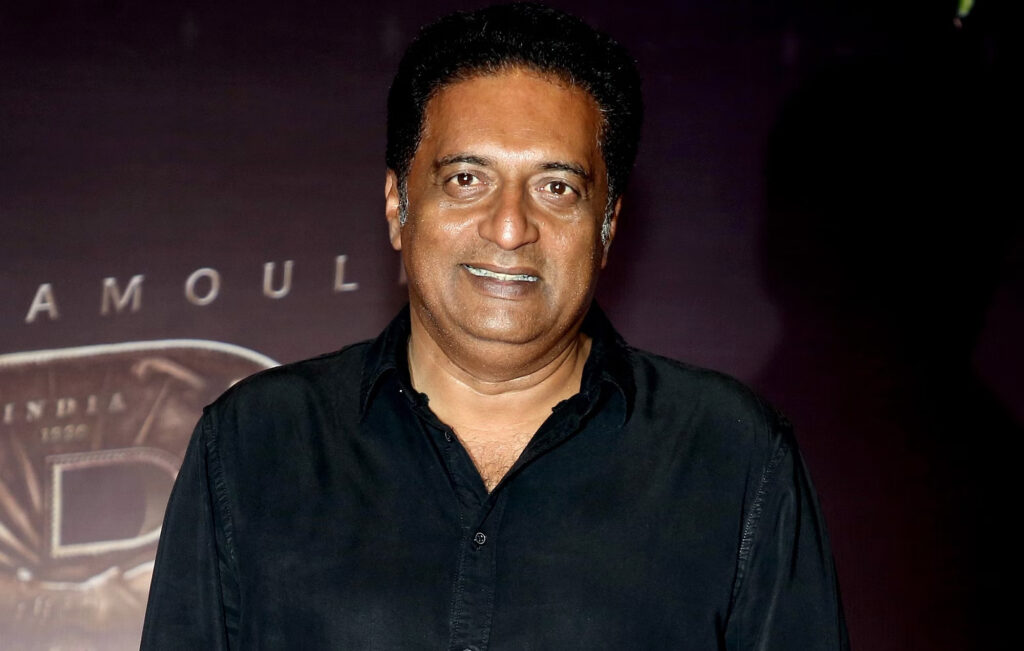
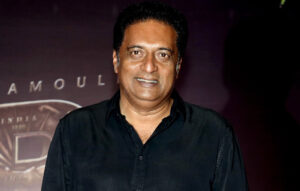
Actor Prakash Raj has defended democratic protests and constitutional rights amid political tensions surrounding a proposed Tiranga march in Delhi. He said India had a Constitution, voting rights, and a democratic tradition that distinguished it from Bangladesh and Nepal. Raj invoked the legacies of B. R. Ambedkar, Mahatma Gandhi, and Bhagat Singh while rejecting comparisons with political upheavals in neighbouring countries. His remarks followed the detention of Cockroach Janta Party (CJP) founder Abhijeet Dipke ahead of a planned national flag march on Friday. The party has been protesting against Chief Election Commissioner Gyanesh Kumar over alleged irregularities in the Special Intensive Revision of electoral rolls. Raj argued that citizens had every right to question the government and demand accountability. He maintained that democratic change should happen through constitutional means rather than violence. His comments added to the political debate surrounding the protests, the government’s response, and the role of peaceful demonstrations in a democracy.
Prakash Raj Accuses Centre of Using Force Against Protesters
Prakash Raj accused the central government of relying on force instead of engaging with protesters. He argued that the government’s refusal to address their concerns had intensified demands for political change. Raj rejected claims that peaceful demonstrations and calls for electoral reform threatened democratic stability. He said citizens exercised legitimate constitutional rights when they questioned authorities, organised protests, and participated in elections. The actor also emphasised that protesters did not need weapons to challenge government decisions. Instead, he described the Constitution and the right to demonstrate as their strongest tools. Raj’s comments highlighted the importance of dialogue between authorities and citizens during political disagreements. He suggested that meaningful engagement could help address public grievances without escalating tensions. His criticism came amid growing attention to the proposed Tiranga march and the police action against its organisers. The government had not been represented in the supplied account responding directly to his allegations.
Raj questioned the detention of CJP founder Abhijeet Dipke before the planned Tiranga march in Delhi. He also challenged Prime Minister Narendra Modi’s government over its campaign encouraging citizens to display the national flag. Referring to the Har Ghar Tiranga initiative, Raj asked why young people faced restrictions when they wanted to carry the Tricolour. He argued that peacefully carrying the national flag should not automatically invite suspicion or discourage public participation. The detention became a central issue in the debate surrounding the planned demonstration. CJP had organised protests against Chief Election Commissioner Gyanesh Kumar over alleged irregularities in electoral roll revisions. The allegations concerning the electoral process remain distinct from the police action against protesters. Raj’s remarks drew attention to the relationship between national symbolism, peaceful assembly, and citizens’ constitutional freedoms. He urged authorities to address protesters’ concerns through dialogue rather than confrontation.
Also Read : UP Shock: Two Saints Murdered, Bodies Burnt Inside Shahjahanpur Temple
Actor Alleges Police Violence and Urges Opposition to Act
Prakash Raj also alleged that police had used violence against protesters, including women, during the demonstrations. He called on opposition parties to raise the issue in Parliament during the upcoming Winter Session. Raj maintained that citizens would continue peaceful street protests to express their concerns and demand accountability. He argued that political disagreements should not prevent people from exercising their democratic rights. His appeal placed additional pressure on opposition leaders to discuss protest-related detentions and police conduct. However, the allegations of violence require independent verification and a response from the authorities involved. Raj’s comments also highlighted concerns about the treatment of demonstrators during politically sensitive events. He suggested that parliamentary debate and public demonstrations could work together to bring attention to unresolved issues. The actor’s intervention added a prominent public voice to the discussion surrounding the planned march and the wider controversy over electoral roll revisions.
Raj pointed to support from farmers, the Samyukta Kisan Morcha, and civil society organisations during his remarks. He suggested that the next phase of the demonstrations could attract larger crowds across the country. Their potential participation would broaden the movement beyond the immediate controversy surrounding Dipke’s detention. The protests have centred on allegations concerning the Special Intensive Revision of electoral rolls and demands for accountability from election authorities. Raj presented peaceful public mobilisation as a legitimate democratic response to concerns about governance and electoral transparency. He also stressed that constitutional principles should guide political change in India. Whether the demonstrations expand will depend on participation, organisational decisions, and developments surrounding the dispute. The controversy has renewed discussion about protest rights, police powers, and democratic accountability. Raj’s central message remained that India should pursue political change through its Constitution, voting system, and peaceful public action.

More Stories
1050 फीट गहरे बोरवेल में गिरा 9 साल का बच्चा, 39 घंटे बाद मौत
ओडिशा में रिश्वतखोर इंजीनियर के ठिकाने से मिले ₹21.88 लाख कैश, नोटों की गिनती करते-करते थकी मशीन
BJP Leader LK Advani, 98, Admitted To Delhi Hospital With Chest Infection