





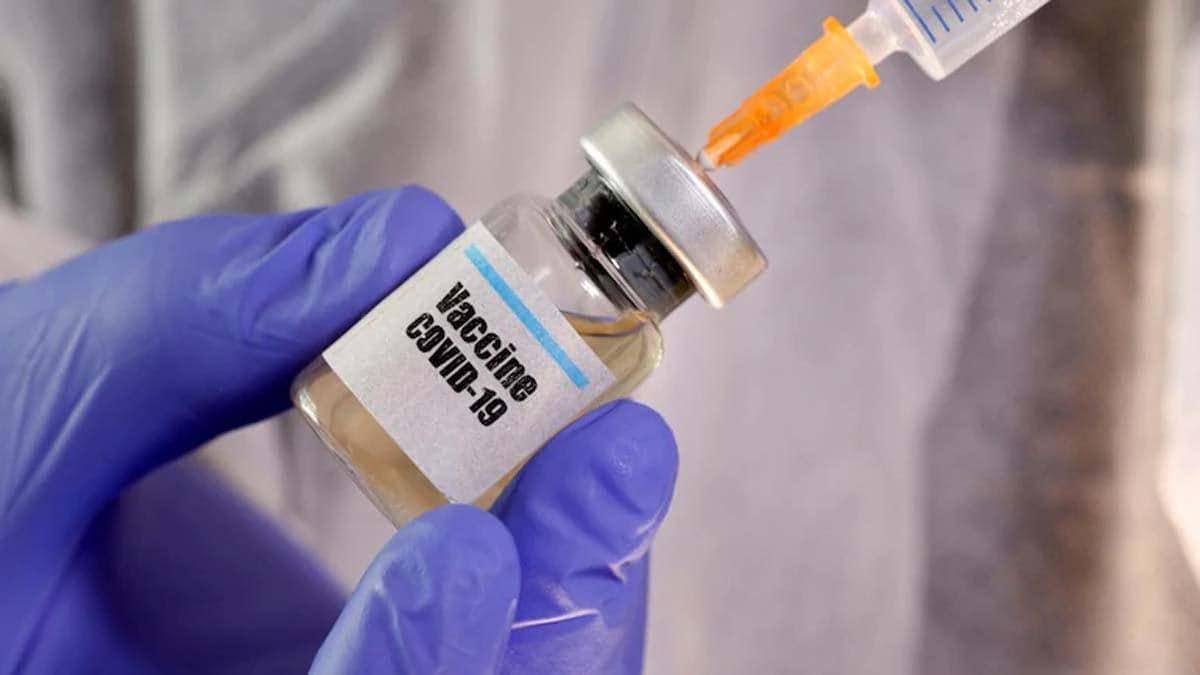
Moderna and Merck have reported positive results from a late-stage trial of their personalised mRNA cancer vaccine. The companies tested the vaccine with Keytruda in patients with high-risk melanoma after surgery. The combination reduced the risk of melanoma returning and also lowered the chance of distant cancer spread. Researchers designed the vaccine specifically for each patient’s tumour mutations to strengthen the immune response. The Phase 3 trial included 1,137 patients with stage IIB to IV melanoma. Participants received either Keytruda with the personalised vaccine or Keytruda alone for about one year. The companies said the combination achieved both the trial’s primary and secondary goals. They also reported no new safety concerns during the study. Moderna and Merck plan to present detailed trial data at an upcoming medical meeting.
Personalised Vaccine Targets Tumour-Specific Mutations
The Moderna vaccine uses mRNA technology to train the immune system to recognise cancer cells. Doctors first remove the tumour and analyse its genetic mutations to identify potential treatment targets. Scientists then use this information to create an individualised vaccine for the patient. The vaccine delivers instructions that help immune cells recognise cancer-related markers. The immune system can then attack remaining cancer cells that carry those markers. Unlike traditional vaccines, this approach does not target an infectious disease. Instead, it creates a treatment designed around the genetic characteristics of an individual tumour. Researchers hope this strategy can prevent cancer cells from growing after surgery. The approach represents an important development in precision oncology. Scientists are now studying similar personalised cancer vaccines against several other solid tumours.
Merck’s Keytruda already provides an established immunotherapy option for melanoma patients. The new trial tested whether adding a personalised mRNA vaccine could improve Keytruda’s effectiveness. Researchers found that patients receiving both treatments experienced fewer cancer recurrences than those receiving Keytruda alone. The combination also reduced the risk of distant metastasis, which occurs when cancer spreads to other organs. These findings could strengthen the case for combining personalised vaccines with existing immunotherapy drugs. The companies described the results as the first positive late-stage findings for an individualised mRNA cancer vaccine. Earlier research had already generated expectations around the treatment’s potential. In January, Moderna and Merck reported five-year results showing a 49% reduction in recurrence or death risk. The companies compared those results with Keytruda treatment alone.
Also Read : U.S. Launches More Strikes on Iran as Tensions Rise; Bangkok Pub Fire Kills 27
Trial Results Could Change Personalised Cancer Treatment
The latest findings could influence how doctors approach cancer treatment after surgery. High-risk melanoma patients face a significant possibility of disease returning or spreading despite successful tumour removal. Doctors therefore continue searching for treatments that can eliminate cancer cells left behind after surgery. A personalised vaccine could provide the immune system with specific information about those remaining cells. Researchers believe the strategy could eventually extend beyond melanoma treatment. Pharmaceutical companies and academic researchers are testing similar mRNA approaches for lung, breast and pancreatic cancers. However, researchers still need detailed clinical data to understand the treatment’s long-term benefits. Overall survival results remain especially important because recurrence data alone cannot show whether patients live longer. Scientists will also monitor safety and treatment effectiveness as patients continue follow-up assessments.
Moderna and Merck have started discussions with regulators following the positive Phase 3 results. The treatment has received breakthrough therapy designation, which could support an accelerated development and review process. However, regulatory approval will depend on the complete clinical evidence and safety profile. The companies must also address manufacturing, scalability and pricing challenges before widespread use. Personalised vaccines require scientists to analyse each patient’s tumour and create an individual treatment. This process could make large-scale production more complex than conventional medicines. Despite those challenges, the successful trial represents a major step for mRNA-based cancer treatment. For Moderna, the development could expand its mRNA platform beyond COVID-19 vaccines. For Merck, the vaccine could potentially strengthen Keytruda’s role in future cancer treatment. If regulators approve the therapy, personalised mRNA vaccines could become an important part of precision oncology.




More Stories
अलवर में मां ने दो बच्चों की हत्या कर की आत्महत्या, बचाने आई बहन घायल
Mona Agarwal, Avani Lekhara Win Gold and Silver for India at Asian Para Games
Economist Who Predicted 2008 Financial Crisis Warns India Must Accelerate Growth to Create Jobs