





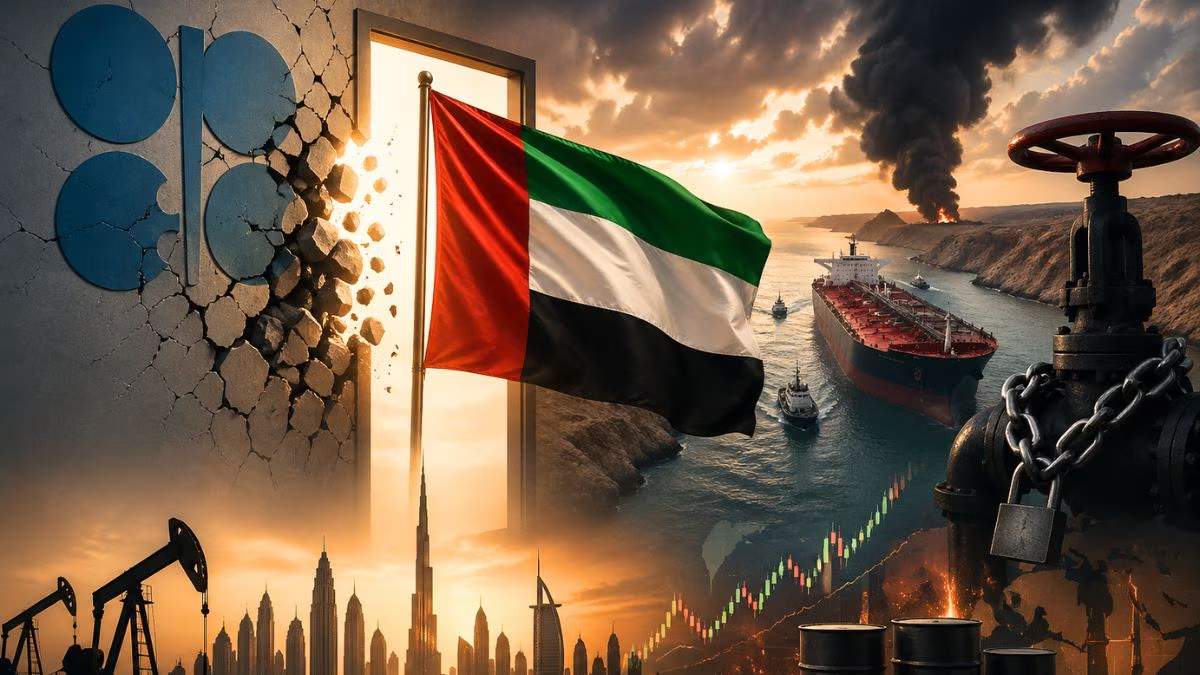
UAE has decided to leave OPEC and OPEC+, a major step that could directly affect global oil prices and bring relief to countries like India that depend heavily on imported crude oil.
The United Arab Emirates announced that it will officially exit the powerful oil-producing groups from May 1. OPEC and OPEC+ together control nearly half of the world’s oil production and strongly influence prices through supply limits and production quotas. Because of this, the UAE’s decision has created strong reactions across international energy markets.
The move comes during rising tensions in the Middle East caused by the conflict involving the United States, Israel, and Iran. Several oil facilities in the Gulf region faced attacks, while Iran’s closure of the Strait of Hormuz created major supply concerns. This route handles a large share of the world’s oil transport, and its disruption pushed crude prices sharply higher.
Also Read: Ganga Expressway Inaugurated in UP: India’s Longest Six-Lane Corridor Boosts Connectivity
UAE Exit Could Change India’s Oil Strategy
UAE leaving OPEC gives Abu Dhabi more freedom to increase oil production without following group restrictions. As a result, global oil supply may rise in the coming months, which could help reduce crude prices and support major importers like India.
India imports nearly 85 percent of its oil needs and buys a large portion from Middle Eastern countries. The UAE remains one of India’s top suppliers, along with Saudi Arabia, Iraq, and Russia. Therefore, if the UAE increases exports independently, India may benefit from lower fuel costs and reduced inflation pressure.
Experts believe this could improve India’s import bill significantly. Lower crude prices often help control petrol and diesel rates, transportation costs, and the prices of everyday goods across the country.
Shipping Risks And Long-Term Market Impact
UAE also offers India another advantage through flexible shipping routes. Since tensions around the Strait of Hormuz increased freight charges and insurance costs, Indian refiners are looking for safer and cheaper alternatives for crude transportation.
If more UAE oil moves through overland pipelines to Fujairah Port instead of passing through blocked sea routes, Indian buyers may avoid extra costs and reduce supply risks. This could make fuel pricing more stable even during global conflicts.
However, analysts also believe Abu Dhabi must carefully balance higher production with regional diplomacy. Increasing exports too aggressively may create tension with Gulf neighbors still following OPEC limits.
Still, for Indian consumers, the possibility of cheaper oil remains the biggest positive outcome. If supply improves and prices soften, households and industries could both feel the benefit in the coming months.
Also Read: West Bengal: TMC MP dares PM Modi ahead of Mamata win




More Stories
Noida: Man Dies by Suicide After Jumping From 43rd Floor of Supernova Society, Video Surfaces
पत्नी ने कहा- पन्ना चलो, हीरे खोजेंगे; दो दिन में मिले 4 हीरे, बदली परिवार की किस्मत
Land of UP Madrasa Teacher Seized by ED in UK Citizenship Salary Case