




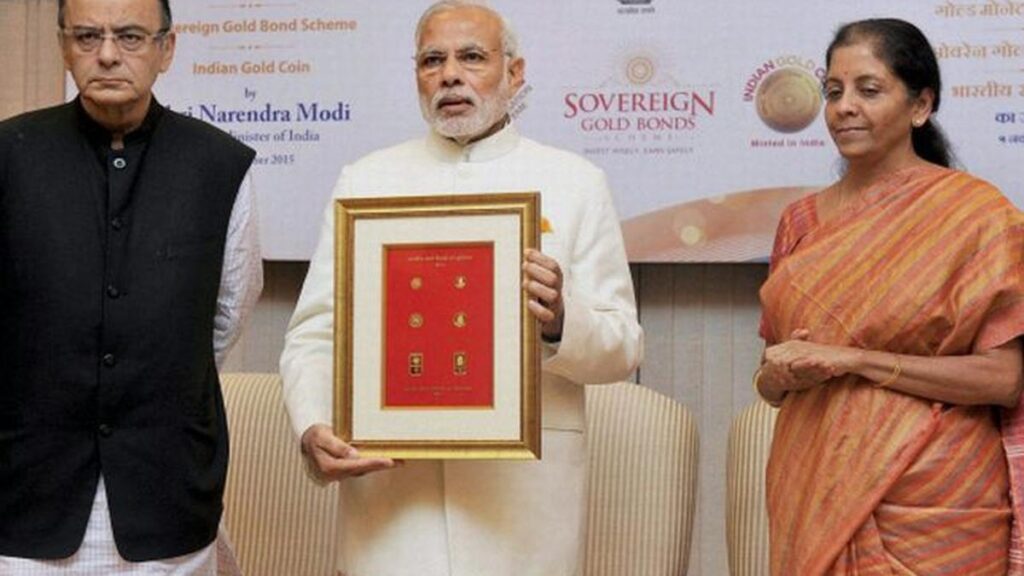
As the Iran war stretches into its third month, Prime Minister Narendra Modi has urged Indians to reduce spending and conserve resources. Speaking in Hyderabad, he advised people to work from home when possible, avoid unnecessary foreign trips, buy less gold and use less fuel. His appeal reminded many of the Covid period, when he encouraged citizens to unite through collective action. This time, he framed the challenge as an economic battle to protect India’s dollar reserves. His remarks immediately sparked concern across financial markets and among investors.
Indian business leaders and economists have warned that the country faces growing economic pressure because of rising oil prices. Banker Uday Kotak said India should prepare for the worst as consumers have not yet fully felt the impact of the Middle East conflict. India imports nearly 90% of its crude oil and around half of its gas needs, making it highly dependent on global energy supplies. With the Strait of Hormuz remaining shut during the conflict, India’s import costs have risen sharply. Airfares, fuel expenses and overseas travel costs have also increased across the country.
Also Read: Noida Protest Accused Received ₹1 Crore Foreign Funding: Police
Modi urges spending cuts as crisis deepens
The government has also targeted gold imports, which heavily drain foreign exchange reserves. Authorities raised import duties on gold and silver to 15% to discourage excessive buying. Economists warn that what first appeared to be a short-term disruption could become a prolonged economic crisis for India. Although the country still holds around $690bn in reserves, foreign exchange levels have fallen significantly since the Iran conflict began. Rising imports of oil, gas, fertilisers and gold have increased demand for dollars while exports and foreign investments have slowed down.
Several analysts believe the weakening rupee has become one of India’s biggest economic worries. Foreign investors have withdrawn billions of dollars from Indian stock markets because of global uncertainty and concerns over India’s future competitiveness in sectors like AI, batteries and electric vehicles. Economists say India has not created enough excitement in emerging industries to attract long-term global investment. As a result, the rupee has weakened sharply against the dollar this year. Policymakers fear that a further fall in the currency could damage India’s economic image and public confidence.
Modi calls for austerity amid global tensions
To manage the crisis, the government has started passing some of the burden onto consumers by increasing petrol and diesel prices for the first time in four years. Economists argue that India cannot shield citizens forever from rising global energy costs because delaying price increases could create even bigger problems later. Some experts suggest giving targeted support only to poorer households instead of subsidising fuel for everyone. Inflation has already started climbing and analysts expect energy prices to push it even higher in the coming months. Many economists believe India now faces a difficult choice between protecting consumers and maintaining economic stability.



More Stories
Jio Platforms IPO Sets Global Record With Over 1 Crore Applications
Maharashtra Man Chased, Run Over and Beaten to Death on Busy Road; CCTV Captures Brutal Murder
Jio Platforms IPO में निवेशकों की भारी दिलचस्पी, तीसरे दिन सब्सक्रिप्शन 6 गुना के पार पहुंचा