





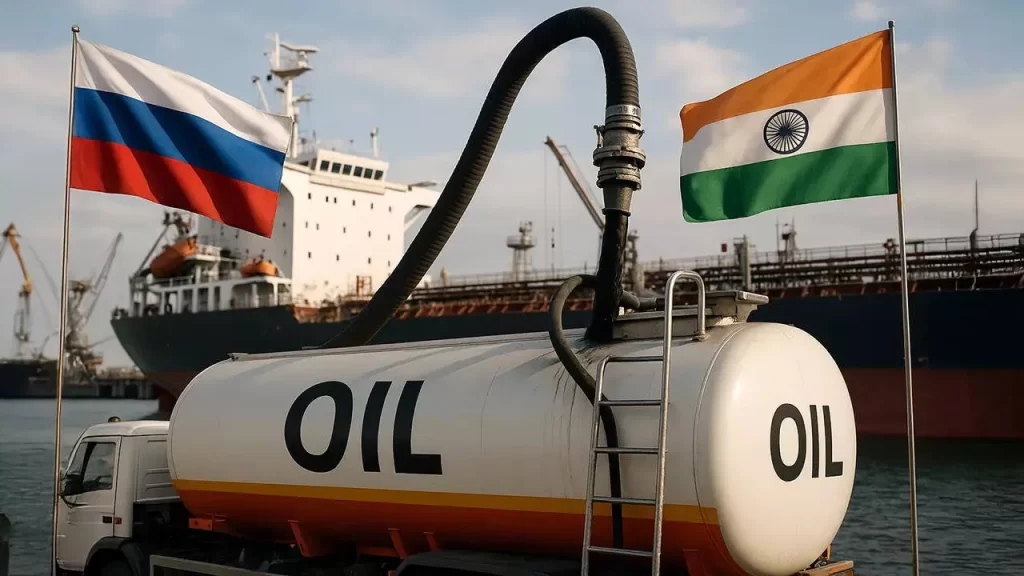
India stands as the world’s second-largest buyer of liquefied petroleum gas (LPG) and sources more than 90% of its supplies from the Middle East, according to data intelligence firm Kpler. A deepening conflict in the Persian Gulf now threatens to disrupt those shipments, raising the risk of a severe cooking gas shortage for millions of Indian households in the coming weeks. As war-related disruptions trap LPG cargoes in the region, India confronts mounting pressure on a fuel that remains essential for daily cooking needs. The supply strain adds to a broader energy challenge that could intensify inflationary pressures in the world’s most populous nation.
Although global attention has largely focused on crude oil and liquefied natural gas (LNG) shipments stuck near the Strait of Hormuz, India faces its most immediate vulnerability in LPG supplies. Even though LPG represents a niche segment within the broader energy basket, any disruption directly impacts tens of millions of homes that rely on it for cooking. Industry sources indicate that authorities can avert a shortfall only if March-bound cargoes resume movement within days. Without swift logistical recovery, the country could experience acute supply gaps that would quickly ripple through domestic markets.
India has attempted to diversify its sourcing strategy by signing long-term agreements with the United States, yet those volumes remain significantly smaller than Middle Eastern imports. Additionally, US shipments involve higher freight costs and limited spot availability, which constrain flexibility during emergencies. Traders emphasize that even if India secures last-minute cargoes from the US, deliveries would not arrive before April due to transit timelines.
Also Read : Nepal Politics: Gyanendra Shah and the Monarchy Debate
Stock Cushion and LNG Supply Disruptions
Government officials have sought to reassure markets by stating that India’s existing LPG inventories could last nearly 30 days. Meanwhile, Indian refiners have engaged with policymakers to assess contingency strategies following recent attacks in the Middle East, which supplies nearly two-thirds of India’s LNG and close to half of its crude oil imports. In the LNG segment, where storage capacity remains limited and freight rates have surged, constraints have already affected industrial consumers. Petronet LNG, the country’s largest LNG importer, has declared force majeure on Qatari supplies, resulting in an almost 50% reduction in deliveries to its clients.
India maintains nearly eight weeks of combined commercial and strategic reserves of crude oil and refined products, which may shield the country from an immediate oil crunch. However, if disruptions in the Persian Gulf persist for several weeks, refiners may need to ration supplies and reduce processing rates. Policymakers have explored contingency measures, including tapping Russian cargoes currently anchored in Indian waters, even after India scaled back purchases from Moscow. U.S. officials have also floated similar suggestions as part of broader discussions on maintaining supply stability.
If crude imports decline further, refiners may have to halt fuel exports to preserve domestic supply. Despite these risks, India’s oil ministry has projected confidence, stating that the country remains reasonably comfortable in terms of existing stock levels and that authorities can implement measures to mitigate potential disruptions. Nevertheless, the evolving geopolitical situation continues to test India’s energy resilience, underscoring the strategic importance of supply diversification and robust contingency planning in an increasingly volatile global market.
Also Read : Yash postpones Toxic avoids clash with Dhurandhar 2




More Stories
“कुर्द हमारी लड़ाई नहीं लड़ेंगे”: इराक की फर्स्ट लेडी की बड़ी अपील
Iran Crisis Hits India Through Oil and Remittances
Netanyahu gains support at home during Iran war but risks global backlash