




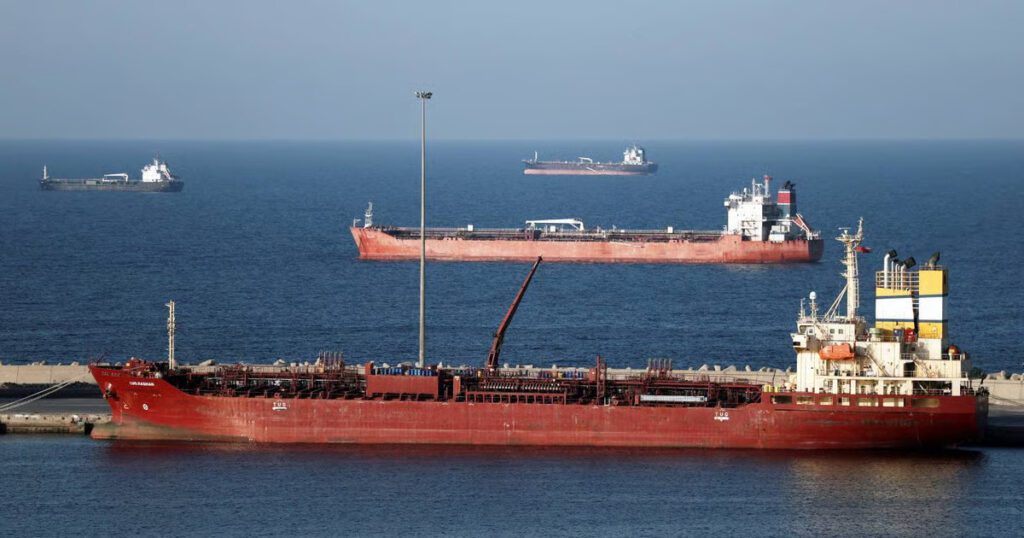
Iran announced that non hostile vessels can safely pass through the Strait of Hormuz during crisis. Authorities said ships must avoid supporting aggression and follow all declared maritime safety and security regulations. Officials added vessels must coordinate closely with Iranian authorities before attempting any transit through the waterway. The move follows a steep decline in shipping traffic that has disrupted global energy supplies significantly. Tehran framed the policy as conditional access aimed at maintaining order while safeguarding national security interests. The announcement signals cautious openness after earlier warnings that threatened ships attempting passage through contested waters.
Meanwhile, Donald Trump said negotiations are underway to end the ongoing conflict involving Iran and allied forces. He claimed talks are progressing despite repeated denials from Tehran about direct diplomatic engagement with Washington. The statements come as tensions remain high following military actions that began earlier in the year. Iranian officials have consistently rejected claims that formal negotiations are currently taking place with the United States.
Also Read: Gujarat Woman Killed for ₹4.4 Lakh Jewellery, Body Buried in Farm
Iran Allows Safe Passage for Non-Hostile Ships Amid Tensions in Hormuz Strait
The conflicting narratives have added confusion to an already volatile geopolitical and economic situation worldwide. Observers continue monitoring developments closely as diplomatic signals remain unclear and often contradictory from both sides.
Shipping traffic through the strait remains sharply reduced compared with levels before the conflict erupted. Data shows only a handful of vessels currently transit daily, far below the previous average volumes recorded. Before hostilities began, roughly one hundred twenty ships crossed the waterway each day carrying vital resources. The dramatic drop highlights the ongoing risks and uncertainty facing global maritime trade routes in the region. Security concerns and unclear regulations continue discouraging shipping companies from sending vessels through the passage. The slowdown has intensified pressure on global supply chains already strained by conflict-related disruptions.
Reduced shipping activity has driven a surge in global energy prices and heightened market volatility worldwide. Analysts warn oil prices could climb dramatically if the strait remains effectively restricted for an extended period. Benchmark crude prices recently fluctuated amid reports of potential diplomatic efforts to resolve the conflict. Markets responded positively to signs of negotiations, with major Asian stock indexes opening higher on Wednesday. Investors remain sensitive to developments as energy supply concerns continue influencing global financial stability. The situation underscores the strait’s critical role in maintaining steady energy flows and economic balance internationally.
Also Read: War Fallout Raises Concern of Lockdown-Like Curbs in India



More Stories
राहुल के प्रदर्शन से पहले दिल्ली पुलिस अलर्ट, सुरक्षा के किए कड़े इंतजाम
CJI Surya Kant Warns Against Politicising Supreme Court Amid Delhi Protests
Maharashtra Drought Crisis: 5,000 Hectares of Orange Orchards Destroyed, Grapevines Wither